


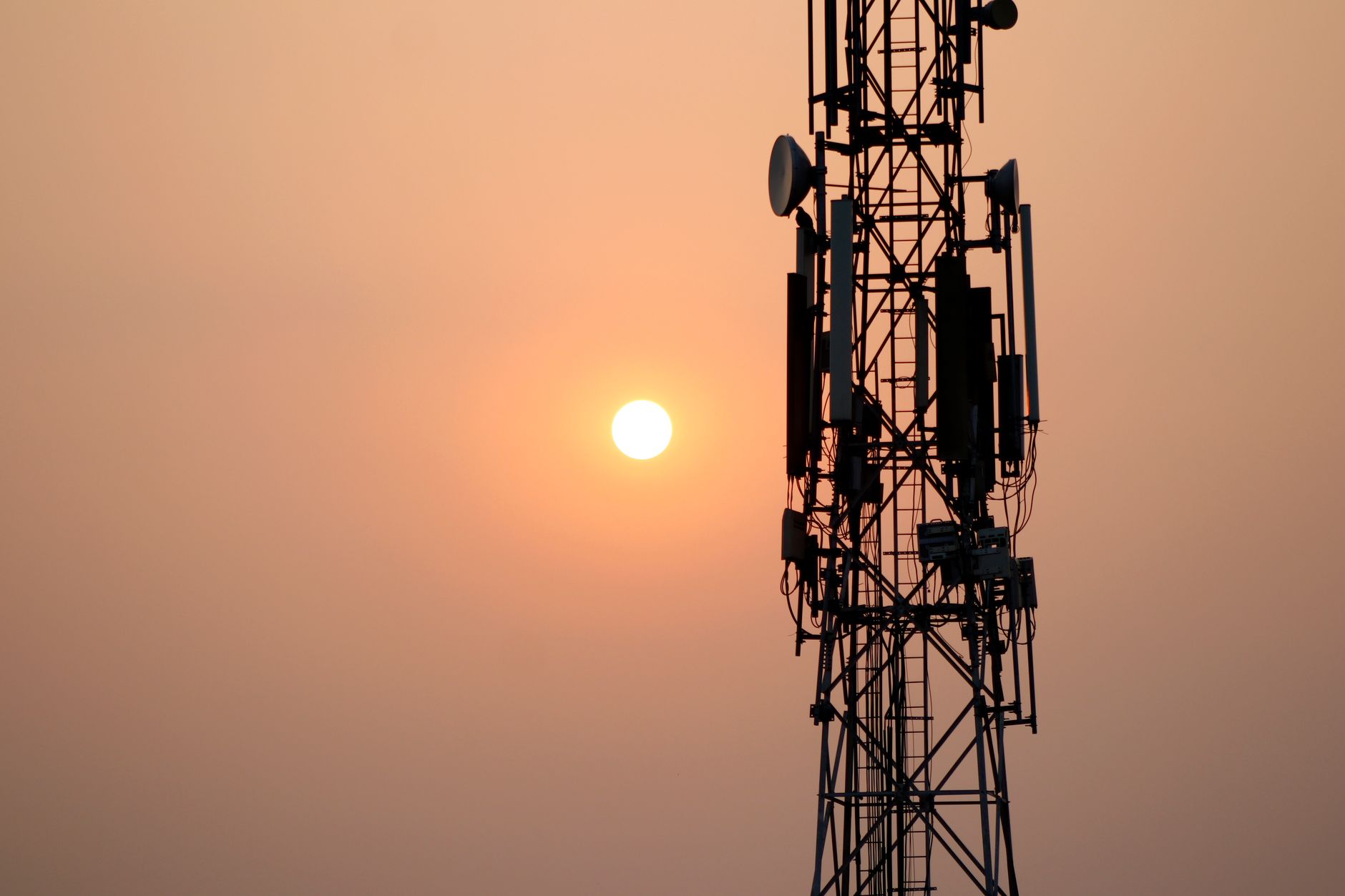
The Taliban government in Afghanistan has formally suspended the transmission of BBC broadcasts across all FM radio sites within the country. The directive, announced by the Ministry of Information and Culture, marks a significant curtailment of international media access in a region where the broadcaster has maintained a presence for decades.
Khubaib Ghufran, a spokesman for the Taliban Ministry of Information and Culture, stated that the decision was prompted by what the government described as "repeated violations" by the media outlet. However, authorities provided no specific details or examples regarding the nature of these alleged infractions. The BBC, which has been broadcasting to Afghan audiences since 1981, remains the only international news organisation that had been operating inside the country following the exclusion of two US-based outlets in 2022.
In response to the suspension, the BBC issued a statement reaffirming its commitment to its audience. The broadcaster noted that millions of Afghans rely on its output for accurate news and information. "We are working with the authorities to address the situation," the statement added. The BBC confirmed that while FM signals have been disabled, its programming remains available to listeners through alternative channels, including shortwave and medium wave radio, satellite transmissions, and digital online platforms.
Data indicates that the BBC reaches more than 20% of the adult population in Afghanistan on a weekly basis. This coverage includes news reports and educational programming, which has served as a crucial resource for girls who have been officially banned from attending secondary schools under the current administration. By continuing to transmit in Pashto, Dari, and English, the BBC maintains a link to these segments of the population despite the local restriction on FM frequencies.
The media landscape in Afghanistan has undergone profound changes since the Taliban retook power in 2021. The current government maintains strict control over all operating media outlets. Restrictions have included the prohibition of music broadcasts and significant limits on the presence of women in the media sector. Current regulations dictate that women are no longer permitted to appear on air alongside their male colleagues, and their overall visibility on television and radio has been noticeably reduced compared to previous years.
While digital and social media platforms remain accessible to some, widespread infrastructure and socioeconomic challenges complicate the flow of information. Large swaths of the country suffer from limited access to electricity, and the high cost of internet services combined with significant literacy barriers mean that traditional radio remains the most reliable and accessible medium for the majority of the population.
As the situation develops, the BBC continues its independent reporting while navigating the increasingly restrictive environment. The suspension of FM broadcasts represents another hurdle in the struggle for independent journalism in the country. The broadcaster maintains that it is continuing to report fairly and independently in its core regional languages to ensure its audience stays informed despite the physical limitations imposed on its transmission infrastructure.








Comments