


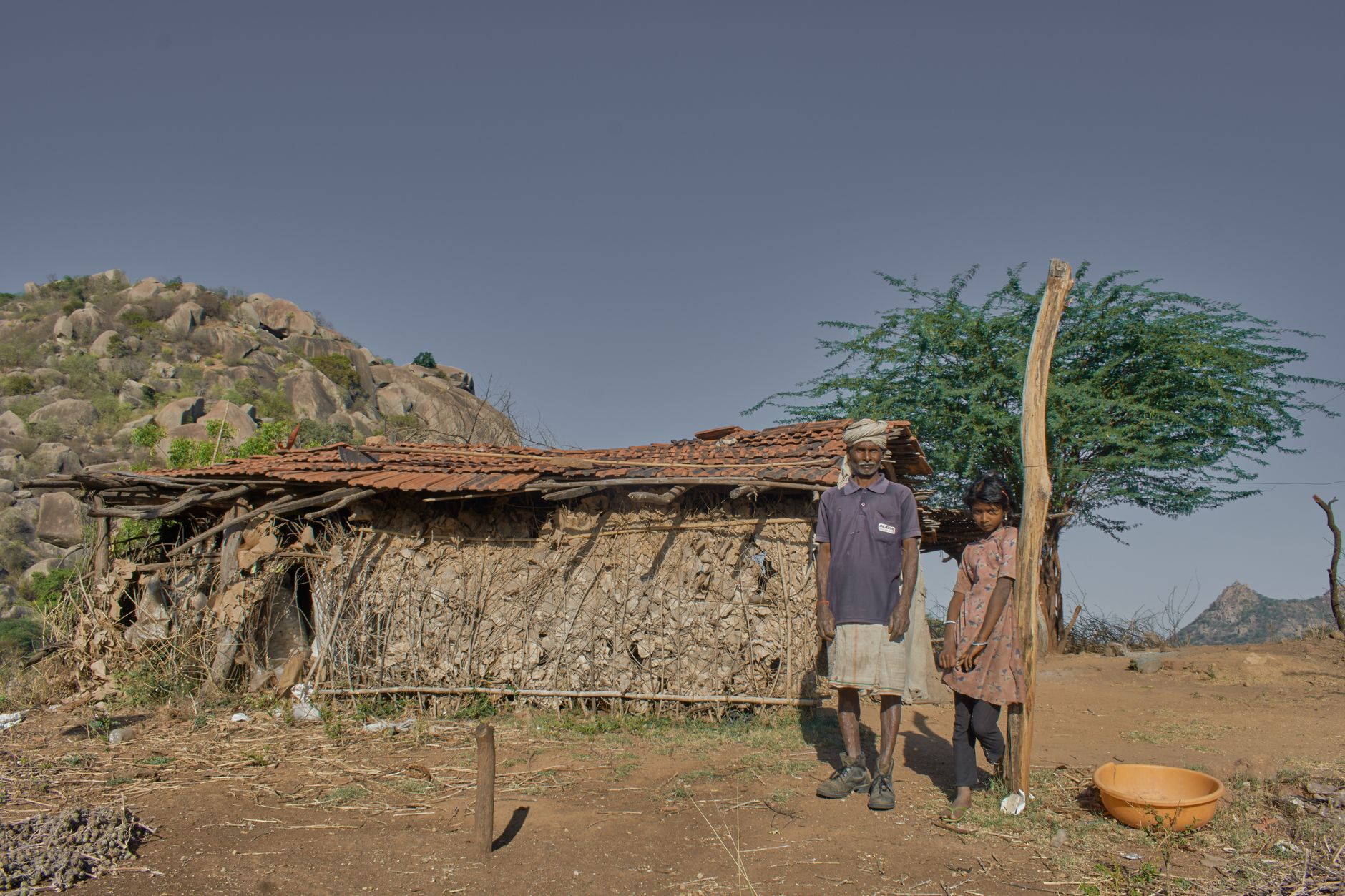
Tensions are mounting in several rural pockets of India as the government pushes forward with an ambitious $87 billion plan to interlink the country's major river systems. The project, designed to address chronic water scarcity and provide irrigation to drought-prone regions, has encountered stiff resistance from thousands of villagers who fear that the massive infrastructure endeavor will lead to widespread displacement and the permanent loss of their ancestral lands.
For many families whose livelihoods are tied to the soil, the prospect of relocation is not merely a logistical challenge but an existential threat. In various regions slated for construction, community members have organized protests, with many declaring they would prefer to remain in their homes, even at the cost of their lives, rather than accept government-mandated resettlement packages. The resistance highlights a deepening divide between national development goals and the localized impact of large-scale engineering interventions.
The river-linking initiative, often described as one of the most significant engineering projects in the country's history, seeks to redirect surplus water from basins prone to flooding to areas experiencing severe shortages. Proponents argue that the project is essential for securing the nation's future food production and mitigating the unpredictable effects of climate change on regional agriculture. However, critics have long pointed to the potential for significant ecological disruption and the social cost of uprooting thousands of people from their established communities.
In areas already designated for survey work or early-stage development, the atmosphere remains volatile. Villagers describe a sense of helplessness, noting that they often receive little information regarding where they might be sent or how their livelihoods, particularly agricultural output, will be sustained once they are detached from their traditional lands. Local leaders have urged authorities to engage in more transparent communication and to consider alternative development strategies that prioritize decentralized water management over large-scale, disruptive projects.
Environmental experts have also raised concerns about the project's long-term sustainability. They warn that altering natural river flows could disrupt local ecosystems, affecting biodiversity and the natural replenishment of groundwater. The debate pits the necessity of modern infrastructure against the rights of indigenous and rural populations to maintain their way of life. The government maintains that all necessary environmental clearances will be strictly followed and that those affected by the project will receive fair compensation and support.
As protests persist, the government is tasked with the difficult challenge of balancing national development targets with the growing outcry from its citizens. The outcome of these negotiations is expected to shape future public sentiment toward large-scale infrastructure initiatives across the country. For the families involved, the situation remains a daily battle for their homes and their heritage, with no immediate resolution in sight.
Moving forward, authorities are likely to continue with technical assessments, but the escalating resistance signals that the road ahead for the river-linking project may be fraught with legal and social hurdles. Observers are closely watching how the administration handles these community grievances, as the project serves as a test case for how large-scale national development efforts interact with local community interests in contemporary India.







Comments