


US Firm Anduril Launches Steelfin Interceptor Designed for Cost-Effective Air Defense
The new modular missile family seeks to counter drones and cruise missiles at one-third the cost of Patriot interceptors
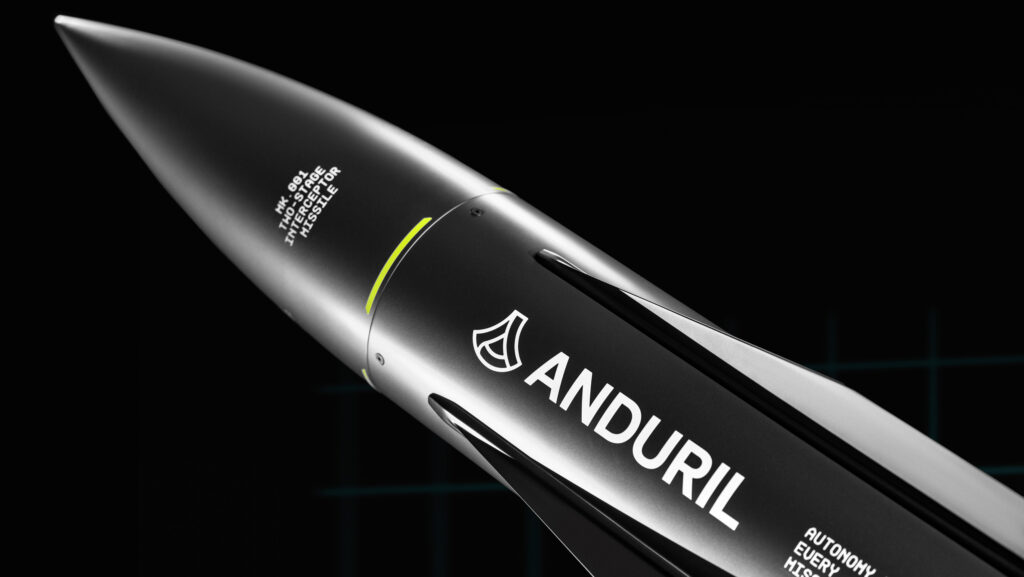
US-based defense technology firm Anduril Industries has officially unveiled the Steelfin family of surface-to-air interceptor missiles. Designed to address the evolving requirements of modern air defense, the system aims to neutralize a broad spectrum of aerial threats, including drones, cruise missiles, and ballistic missiles. By focusing on a modular architecture, the company intends to provide a more affordable and scalable alternative to existing interceptors like the Patriot PAC-3 MSE.A primary driver for the development of Steelfin is the current imbalance in cost-exchange ratios faced by militaries worldwide. As nations grapple with sustained attacks using relatively inexpensive unmanned aerial vehicles and missiles, defending against these threats often requires firing interceptors that are significantly more costly than the targets they destroy. This issue is further compounded during prolonged engagements, where the rapid expenditure of inventory creates severe logistical strain and supply chain vulnerabilities for conventional defense systems.According to the company, the Steelfin family utilizes a two-stage architecture. This design pairs interchangeable first-stage solid-rocket boosters with a second-stage terminal interceptor. The various configurations share common elements, including airframes, avionics, flight-control systems, and software. This standardized approach is intended to streamline production and allow for higher manufacturing volumes, which the company believes will lead to significant cost reductions compared to traditional platforms.Anduril Industries has stated that it is targeting a price point of approximately one-third that of the Patriot PAC-3 MSE. While this represents a significant projected reduction in expenditure, the company has noted that these cost advantages and specific operational capabilities are yet to be independently demonstrated. The system is engineered to integrate with established launch infrastructure, such as the M903A2, the Mk 41 Vertical Launch System, and Typhon, allowing for flexible deployment across existing military networks.The modular nature of the Steelfin series also provides versatility for diverse mission profiles. Different seekers and mission-specific components can be integrated into the missiles without the need for a comprehensive redesign of the entire system. Depending on the chosen booster configuration, the manufacturer lists the speed capabilities of the Steelfin missiles as ranging from supersonic to hypersonic, with engagement ranges also varying based on the specific setup selected for the mission.Regarding the development timeline, the company has completed preliminary ballistic testing utilizing representative air vehicles. The next phase involves flight testing the various missile variants, which is currently scheduled to commence in 2027. Following the successful completion of these trials, Anduril intends to scale up its production capabilities.Full-rate manufacturing is anticipated to begin by late 2028 or early 2029, though the eventual output will remain dependent on market demand and the specific requirements of military clients. As global militaries continue to reassess their air defense strategies in the face of persistent drone and missile barrages, the success of the Steelfin program will likely hinge on its performance during the upcoming testing phases and its ability to achieve the cost targets projected by the developer.








Comments