


J&K Waqf Board Mulls Uniform Friday Sermons Across Mosques and Shrines
A dedicated committee of religious scholars will be tasked with finalising the content for congregational prayers across the region
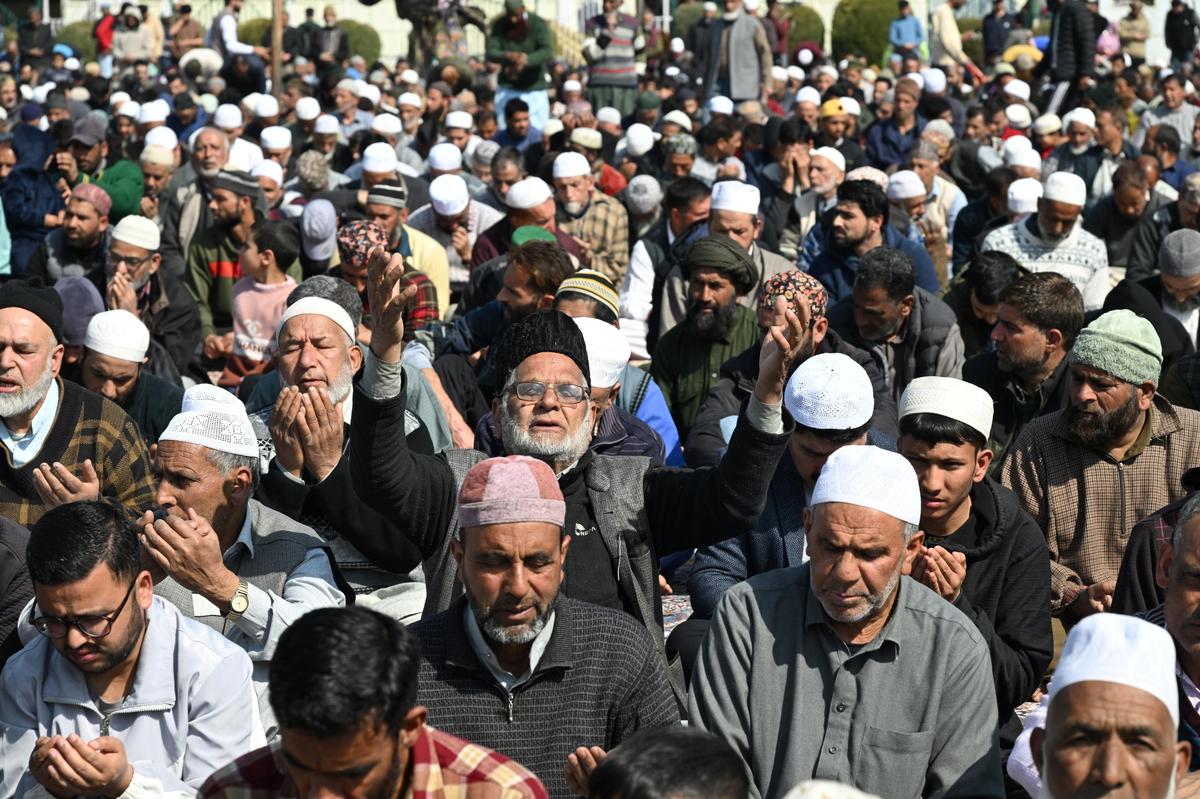
The Jammu and Kashmir Waqf Board has announced a significant initiative to introduce uniform Friday sermons, locally referred to as khutbas, across all mosques and shrines under its jurisdiction in the Union Territory. This policy aims to bring a standardised approach to the religious addresses delivered during weekly congregational prayers, ensuring that a consistent message is conveyed to worshippers across various religious sites in the region.To facilitate this transition, the Board has decided to constitute a specialized core committee. This panel will comprise religious scholars, including Muftis, Imams, and Khateebs. The primary responsibility of this committee will be to identify, discuss, and finalise the specific themes and topics that will form the basis of the sermons delivered during the Friday prayers. By involving these religious figures, the administration intends to maintain a structured and cohesive approach to the content shared within the community.The move represents a structural change in how sermons are currently managed in the Union Territory. Traditionally, individual Imams have often held the discretion to choose the subject matter of their sermons based on their local assessment of community needs or theological interpretations. The introduction of a central mechanism for content selection marks a pivot toward institutional oversight of these public addresses.While the Board has outlined the operational framework for this decision, the initiative is expected to streamline the communication process between the religious leadership and the public. By centralising the selection of topics, the Waqf Board appears to be looking for a method to maintain uniformity in the themes discussed across different districts and local mosques, potentially reducing variations that may arise when sermons are prepared independently at each site.The Waqf Board, which governs a large number of mosques and shrines across Jammu and Kashmir, plays a pivotal role in managing these assets and the activities conducted within them. This latest directive is part of its ongoing administrative efforts to oversee religious practices at these designated properties. The formation of the core committee is considered a foundational step before the new system is rolled out to the various congregations.For the devotees, the implementation of these common sermons means they will likely hear similar thematic discussions regardless of which Board-managed mosque or shrine they visit for their Friday prayers. This could lead to a more standardised religious discourse across the region, as the identified topics will be disseminated to all relevant locations following approval by the core committee.As the administration prepares to form this group of experts, many will be watching to see how the inclusion of diverse voices—Muftis, Imams, and Khateebs—influences the final selection of sermon topics. The diversity of the committee is intended to provide a balanced and informed approach to the subjects chosen, reflecting a broad range of religious knowledge and community awareness.Moving forward, the success of this initiative will largely depend on the cooperation between the local mosque authorities and the newly established committee. As the Waqf Board finalises the details of the implementation, the public awaits further information regarding the timeline for when these uniform sermons will officially commence across the Union Territory. This change marks a notable shift in the religious administrative landscape of Jammu and Kashmir, focusing on a unified voice for weekly congregational gatherings.







Comments