


Nvidia Market Share in China Slips to 34% Amid Rising Domestic Competition
Domestic Chinese manufacturers have overtaken traditional GPU shipments for the first time as Beijing pushes for semiconductor self-reliance
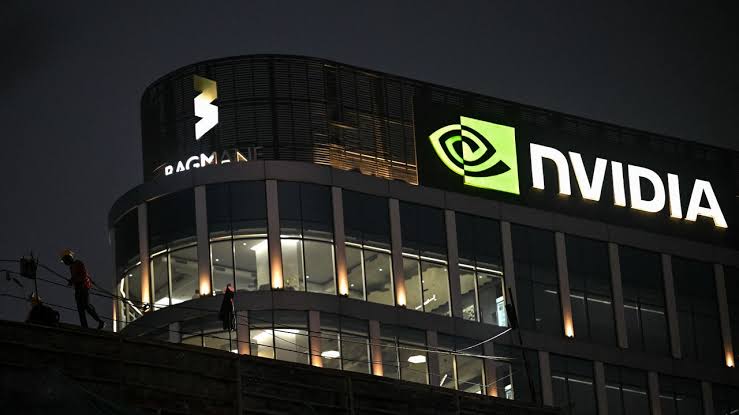
Nvidia’s foothold in the Chinese data-centre artificial intelligence (AI) chip market experienced a notable decline in the first half of 2026, dropping to 34% of the total market. According to IDC data, this contraction is primarily attributed to stringent US export restrictions that have curtailed the supply of high-end processors to the world’s second-largest economy. Between January and June 2026, Nvidia shipped 678,000 AI accelerators in China, representing a 44% decrease compared to the same period the previous year.These specialized processors, essential for training and operating complex AI models, have become a focal point of geopolitical tension. Washington has placed limits on the export of Nvidia’s most advanced chips, a policy that CEO Jensen Huang has publicly criticized. Huang has argued that such restrictions ultimately force the US chipmaker to concede significant ground in China’s $50 billion AI chip market to domestic competitors, most notably Huawei.As Nvidia's presence has waned, Chinese firms have accelerated their development and adoption of locally manufactured alternatives. Huawei, in particular, has seen a substantial surge in its market influence, shipping 572,000 AI accelerators in the first half of 2026—a significant jump from the 300,000 units recorded a year earlier. Huawei now commands 28% of the overall market share. Other key domestic players, including Alibaba’s T-Head, Cambricon, Baidu’s Kunlunxin, and Hygon, have also consolidated their positions, with nine out of 11 tracked Chinese chipmakers reporting increased shipment volumes.A major turning point in the market occurred during this period, as non-GPU AI accelerators surpassed traditional graphics processing units (GPUs) in total shipment volume for the first time. While GPU shipments fell by 26% to 991,000 units due to supply constraints, other accelerator shipments climbed by nearly 80%, reaching 1.016 million units. This shift reflects a strategic pivot by government agencies, internet companies, and telecommunications providers toward non-GPU architectures, which are increasingly tailored for specific workloads, such as running pre-trained models.The competitive landscape is also evolving beyond the performance of individual chips. Industry analysts note that focus has increasingly shifted toward system-level capabilities. Chinese technology companies are prioritizing how effectively different processors can function in large computing clusters, a shift that favors the emerging domestic ecosystem. Huawei and its contemporaries—T-Head, Kunlunxin, and Cambricon—now account for 95% of the non-GPU segment, highlighting the rapid expansion of China’s domestic semiconductor capabilities.Despite the challenges faced by international suppliers, the overall market for AI hardware in China remains resilient. IDC projects that total AI accelerator shipments in the country will grow by 19% throughout 2026, even as GPU shipments are expected to see a further decline of 9%. This growth outlook underscores the intense, ongoing demand for computing capacity within China.The current market dynamics are further complicated by Beijing’s active encouragement of domestic technology adoption and the requirement that local firms obtain approval for the import of Nvidia chips that comply with existing US export rules. While Nvidia maintains its status as a major supplier, the combined impact of trade regulations and the rapid maturation of local alternatives suggests a fundamental transformation in how Chinese technology companies fulfill their infrastructure needs.







Comments