


Emergency Call Recordings Reveal Confusion During Failed US Execution
Confusion between prison authorities and emergency dispatchers led to significant delays in providing urgent medical life-saving care
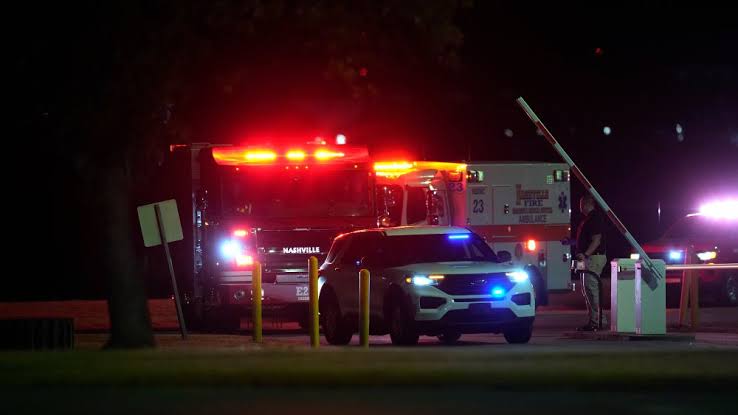
A series of emergency call recordings released to the media has shed light on the chaotic response following the failed execution of death row inmate Christa Pike in Tennessee. The audio files, first obtained by the Associated Press, document a period of significant delay as emergency services and prison staff attempted to coordinate a response within the walls of Riverbend Prison.The recordings reveal that, in the immediate aftermath of the botched lethal injection procedure on September 30, dispatchers were initially uncertain whether to treat the request for medical assistance as a legitimate emergency or a potential security hoax. At one point, a dispatcher is heard questioning the nature of the request, asking if the incident was an “actual thing that is happening” or if the call was a case of “swatting” or a prank. This confusion led to precious minutes being lost as responders sought to verify the situation before proceeding.Pike, 50, was subjected to a lethal injection procedure using the drug pentobarbital. Despite the administration of the drug, she remained alive and was subsequently transported to a local hospital in critical condition. The delay in dispatching medical assistance became a focal point of the recordings, as officials attempted to navigate internal protocols while a life-threatening situation unfolded inside the execution chamber.Among the recordings released by the Nashville Department of Emergency Communications, an intervention from Pike’s defence attorney, Kelly Gleason, provided a stark contrast to the administrative confusion. Gleason contacted emergency services directly, pleading for immediate action. “She is still alive and breathing and needs immediate life-saving care,” Gleason stated during the call, highlighting the gravity of the medical situation that had developed after the failed execution process.The incident at Riverbend Prison has raised questions regarding the procedures followed during the state’s capital punishment protocols. While the execution was intended to be carried out as ordered by the court, the subsequent failure of the process and the procedural hurdles faced by first responders have become a matter of public scrutiny. The communication logs involve multiple agencies, including local police and highway patrol, reflecting the complexity and sensitivity of emergency operations conducted within high-security correctional facilities.Pike’s underlying legal conviction dates back to 1995, when she and her then-boyfriend were found guilty of murdering Colleen Slemmer. She has remained on death row since her sentencing. The recent botched execution marks a rare and highly publicised failure in the administration of the death penalty, prompting further discussion regarding the methods used and the reliability of current execution procedures.As of now, Pike remains under medical care following the event. The release of these recordings provides the first detailed insight into the internal dialogue between state officials and emergency services as they grappled with an unprecedented situation. Authorities have not yet outlined the next steps regarding Pike’s legal status or whether the state intends to attempt another execution, leaving the future of her sentence and the protocols involved in a state of uncertainty.








Comments