


India and Gulf nations increasingly charting independent foreign policy: Rishi Sunak
Speaking in New Delhi, Sunak highlighted how emerging geopolitical shifts allow nations to pursue autonomous diplomatic and economic paths
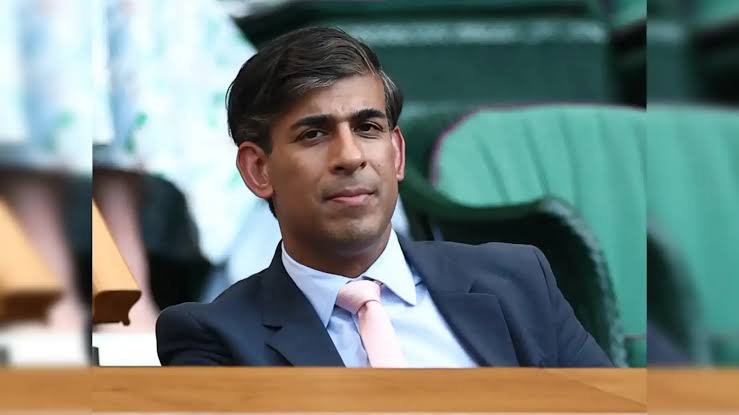
Former UK Prime Minister Rishi Sunak has remarked that countries like India and those in the Gulf region are increasingly capable of charting their own diplomatic courses, moving away from the necessity of aligning with the United States or China. Speaking at the Bloomberg New Economy Forum 2026 held in New Delhi, Sunak noted that this shift reflects a fundamental transformation in the global balance of power as the traditional international economic order undergoes significant changes.During a panel discussion titled ‘The End of Predictability,’ the former Prime Minister emphasized that the era of a stable, multilateral, rules-based system, which was largely supported by global powers, is currently in decline. He observed that this transition is creating a climate of heightened geopolitical uncertainty. According to Sunak, the global landscape is no longer as predictable as it once was, a shift that presents both challenges and potential dangers for international relations.Sunak identified the rise of China as a primary factor in this evolving geopolitical reality. He described China as a peer competitor to the United States across various critical domains, including the military, economic, and technological spheres. This rivalry, he noted, is a defining feature of the contemporary global economy, further complicating the decision-making processes for nations that have historically relied on a more stable and binary international structure.Addressing the changing posture of emerging powers, Sunak stated, "Countries like India, like the Gulf, now are able to chart their own course. They're not going to always agree with the US or China. They're going to do what they want, and that's a new feature." This assessment underscores a growing trend where nations are prioritizing their own strategic interests and domestic goals rather than acting as automatic satellites to larger superpowers.The discussion also touched upon broader concerns regarding global stability. Sunak highlighted the current state of international security, pointing to a rise in the number of armed conflicts occurring across the globe. He remarked that there are currently 61 different state-based armed conflicts taking place, which he described as the highest level of instability seen since the Second World War. Reflecting on this data, he added, "Now I look at that, and I'm worried."In his address, Sunak also provided a critical perspective on the diplomatic style of US President Donald Trump. He suggested that while the international community views the high number of global conflicts with apprehension, the US President approaches these crises from a different viewpoint. Sunak quipped that where others see instability and danger, the US President "looks at that and thinks 61 opportunities to win the Nobel Peace Prize."The forum served as a platform for analyzing the shifting tectonic plates of global power. By acknowledging that nations are now empowered to make decisions that do not necessarily conform to the agendas of the dominant world powers, Sunak underscored that the era of automatic alignment is waning. As these countries navigate a more volatile environment, their ability to remain flexible and independent will likely define their economic and geopolitical successes in the coming years. The ongoing uncertainty serves as a reminder that the post-World War II framework is being rewritten by the actions of regional leaders and emerging economic powers.








Comments