


Madras HC Upholds TN Speaker's Decision to Accept Resignations of Six AIADMK MLAs
The court directed the speaker to finalize pending disqualification proceedings against the legislators within a period of two months
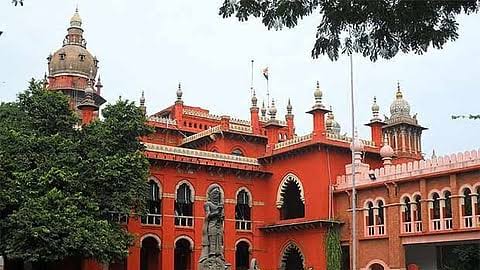
The Madras High Court on Friday dismissed a petition challenging the Tamil Nadu Assembly Speaker’s decision to accept the resignations of six AIADMK MLAs. The ruling provides a significant reprieve for the ruling TVK government, as the controversy stemmed from the legislators' decision to cross-vote in favor of the current administration during a confidence motion. Following the vote, these MLAs transitioned to the ruling party, prompting a legal challenge from the opposition.A bench comprising Chief Justice Sushrut Arvind Dharmadhikari and Justice G. Arul Murugan presided over the case. In its verdict, the court affirmed that the resignations tendered by the six MLAs were both genuine and voluntary, adhering to the provisions enshrined under the Tenth Schedule of the Constitution. The judges clarified that the Speaker was under no obligation to conduct an extensive inquiry into the underlying motives for these resignations, stating that his acceptance of the letters and the subsequent declaration of vacancies were constitutionally valid.Addressing the petitioners' concerns, the court noted that the pendency of disqualification proceedings did not serve as a constitutional barrier to the Speaker’s ability to accept a resignation. The bench emphasized that resignation and disqualification represent two separate processes within the constitutional framework. Consequently, the Speaker acted within his authority by accepting the resignations despite the ongoing disqualification challenge brought against the members for violating the party whip.However, the court underscored that the acceptance of these resignations does not render the pending disqualification matters moot or academic. The bench mandated that the Speaker must continue the adjudication process for the disqualification cases, noting that such findings would carry the legal consequences dictated by the Tenth Schedule. The court asserted its jurisdiction under Article 226, which empowers the High Court to intervene if a constitutional authority fails to resolve such matters within a reasonable timeframe.Given these unique circumstances, the court issued a time-bound directive requiring the Speaker to reach a final decision on the disqualification proceedings within the next two months. The petitioners had previously argued that the Speaker failed to perform his constitutional duty by not conducting a thorough investigation to ensure the resignations were truly voluntary, contending that such an inquiry was not merely a procedural formality.In defense of his actions, the Speaker argued that he was constitutionally obligated to accept the resignations of any legislators who offered them voluntarily, as no individual can be compelled to remain in office against their will. He maintained that refusing these resignations would have constituted a failure to discharge his constitutional functions. The state government further contended that the acceptance of resignations did not inherently invalidate the pending disqualification proceedings.The six MLAs involved in the case argued that disqualification proceedings are intended for those who continue to enjoy the privileges of office while supporting another party. They maintained that choosing to resign from their legislative positions to join a different political organization falls within the scope of legitimate democratic political activity. With the High Court’s ruling, the matter now moves toward a final adjudication on the disqualification issue within the court-mandated two-month window.








Comments