


Indian cities rank low on global quality of life index despite economic growth
New global rankings highlight a widening gap between economic development and living conditions across ten major Indian urban centres
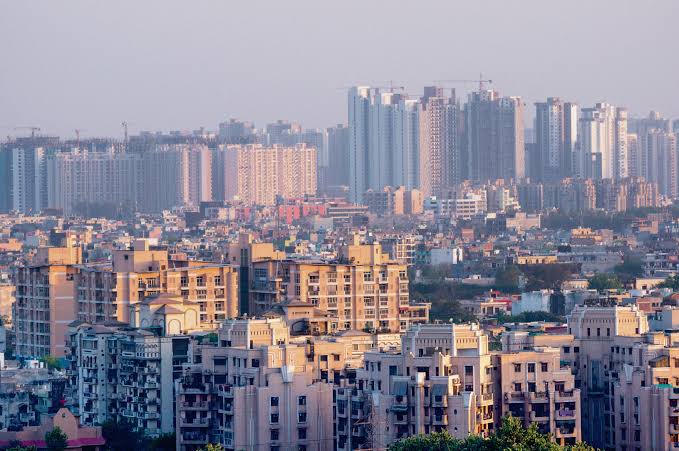
Indian cities are facing a significant disparity between their economic performance and the quality of life offered to residents, according to the recently released 2026 Global Cities Index by Oxford Economics. While the index includes 91 Indian cities among the world's 1,000 largest, the nation's ten highest-ranked urban centres reveal a persistent gap between their strong economic outputs and their living conditions.The data indicates that while cities like Delhi, Bengaluru, and Mumbai secure respectable positions in economic and human capital categories, their rankings plummet when assessed for environmental performance and overall quality of life. Even the most successful Indian cities included in this assessment struggle to break into the higher tiers of livability, despite maintaining strong positions within the top 500 global rankings.Delhi holds the highest overall position among Indian cities at 268th. The national capital performed exceptionally well in human capital, securing a 13th-place global rank, and maintained a solid 116th rank in economics. Conversely, its quality-of-life rank fell to 781, with its environmental impact ranking trailing at 915, marking it as the weakest among the top ten Indian cities in this specific category.Following Delhi, Bengaluru and Mumbai recorded overall positions of 311 and 330, respectively. Bengaluru reached 106th in human capital and 176th in economics, but it scored 775 for quality of life and 528 for the environment. Mumbai showed similar trends, ranking 77th in human capital and 170th in economics, yet its quality-of-life score dropped to 817, with an environmental ranking of 782.The report highlights that cities in southern and western India, including Chennai, Hyderabad, and Pune, face comparable challenges. Chennai ranked 381st overall, yet it recorded the lowest quality-of-life score among the group at 854. Hyderabad and Pune followed with overall rankings of 421 and 427. Both cities demonstrated a recurring pattern where strong economic and human capital rankings were undermined by poor scores in environmental sustainability and everyday living conditions.Interestingly, some cities showed slightly different profiles within the top ten. Thrissur, ranked 477th overall, performed better than its larger counterparts in terms of quality of life and environmental standards, ranking 584th and 468th respectively, even though its human capital ranking was the lowest among the ten cities studied. Similarly, Kochi and Kozhikode rounded out the top ten at 489th and 499th overall, reflecting a mix of economic engagement and varied performance in living standards.Kolkata, which secured an overall rank of 496, illustrates the wider trend found in the study. While it ranked 245th in economics, its quality-of-life and environmental positions were 843 and 854, respectively. This data underscores the structural challenges that Indian metropolitan areas face as they continue to grow as economic hubs while struggling to improve the daily life experiences of their growing populations.The 2026 index serves as a stark reminder of the complexities inherent in urban development. As India's top cities continue to compete on the global stage for human capital and economic investment, the findings suggest that addressing environmental concerns and improving living conditions will be essential for these cities to achieve a more balanced and sustainable future.








Comments