


Tensions on the Indonesian island of Batam have escalated as hundreds of residents staged a protest at the Nongsa Digital Park, driven by a severe, months-long water crisis. Approximately 300 demonstrators arrived at the compound carrying empty jerry cans and bottles, highlighting a stark divide between the island’s rapidly expanding data centre infrastructure and the basic needs of its 1.3 million inhabitants. Residents report that their taps have been dry for three consecutive months, forcing them to rely on expensive and often poor-quality water delivered by tanker trucks.
For many, the arrival of large-scale data centres has coincided with a noticeable deterioration in water reliability. Dewi Susanti, a resident of Bakau Serip village, expressed the frustration of the local community, stating that household water supplies were dependable until the recent influx of data centre developments. Residents argue that these facilities are prioritised for resources while local families struggle to secure sufficient, clean water for daily use, an issue that has significantly disrupted their routines and increased household expenses.
The rapid industrialisation of the island has seen more than $6.7 billion invested into the data centre sector as of mid-2026. Currently, authorities have approved 10 such facilities, with six situated within the Nongsa Digital Park, and at least six additional projects remain under administrative review. These centres are essential to the growing AI industry, as they require vast quantities of water to cool high-performance servers and GPUs. Many facilities employ evaporative cooling, which can consume hundreds of thousands of gallons daily, comparable to the total water usage of nearly 1,000 households.
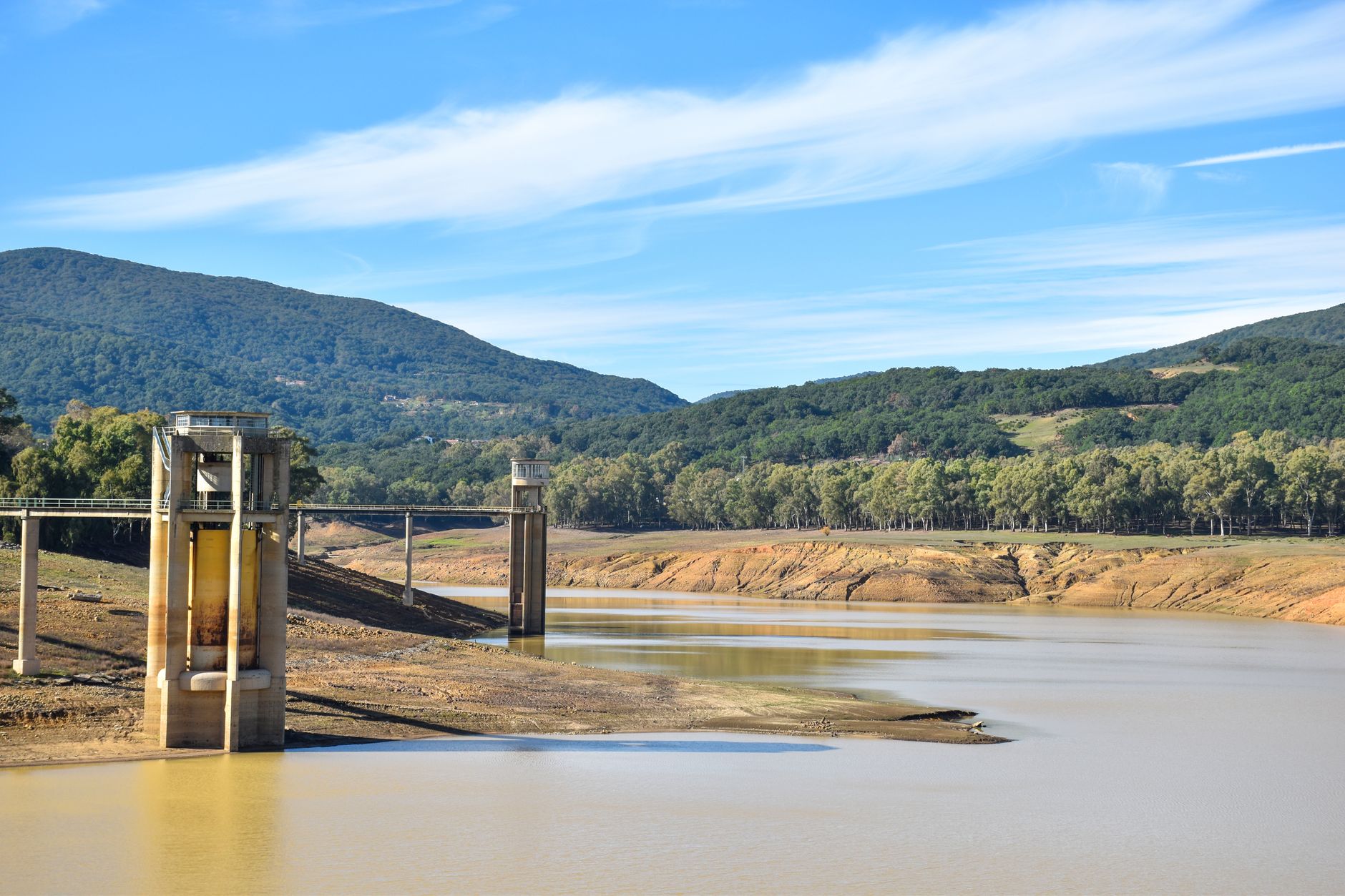
Local government agencies, including BP Batam, have addressed the protests by citing a prolonged dry spell as the primary cause of the shortage. Officials have officially denied claims that water intended for public residential use is being diverted to private digital facilities. The island relies heavily on six artificial reservoirs, and recent environmental assessments have warned that the Nongsa reservoir—a critical supply source for nearby villages—could be depleted within a month if current lack of rainfall persists.
The water utility serving the island has pledged to implement improvements to the supply chain but has not provided specific commentary regarding the impact of data centre operations on local reservoirs. In response to the growing public outcry, which has seen recurring protests since August, regional authorities have issued a new mandate. All companies developing data centres on the island are now required to construct their own independent desalination plants, shifting the burden of their high water consumption away from the public freshwater supply.
This conflict underscores the rising tension between digital infrastructure growth and environmental sustainability in emerging tech hubs. As Batam continues to position itself as a strategic destination for AI investment, the struggle to balance industrial demand with basic human rights remains a central challenge for local governance. The success of the newly mandated desalination projects, and whether they can effectively alleviate the mounting pressure on the island’s limited freshwater resources, will determine the future of this fragile balance.








Comments