


Karnataka High Court strikes down law raising SC and ST reservation quotas
The court ruled that breaching the constitutional limit violates fundamental rights regarding equality and public employment opportunities in the state
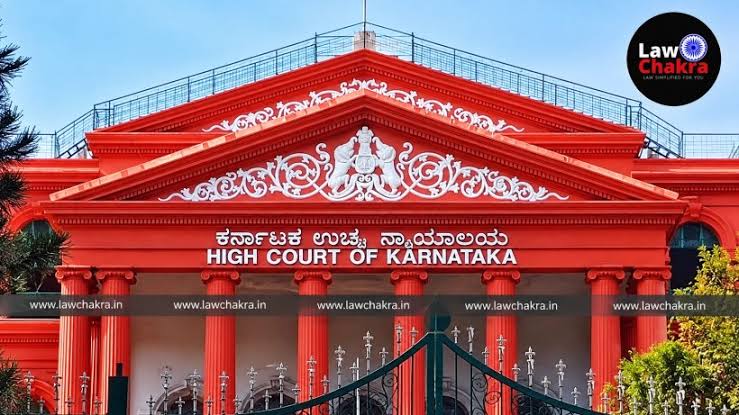
In a significant judicial development, the Karnataka High Court has declared a state legislative act providing for increased reservation for Scheduled Castes (SC) and Scheduled Tribes (ST) in government services as unconstitutional. The court’s decision focuses on the legal ceiling on reservation quotas, which has long been a subject of intense debate in Indian constitutional law. By striking down Section 4 of the state's act, the bench emphasized that exceeding the established 50% threshold violates the fundamental principles of equality and non-discrimination guaranteed under the Constitution of India.The legal challenge centered on the state government's move to enhance the quota for these marginalized communities beyond the limits previously affirmed by the Supreme Court. The petitioners argued that such an increase was inconsistent with the ceiling set in landmark judgments, which sought to balance the necessity of affirmative action with the right to equality in public employment. The High Court, in its detailed examination of the legislation, concluded that the expansion of the quota could not be reconciled with the requirements set forth in Articles 14 and 16 of the Constitution, which protect the right to equality and equality of opportunity in matters of public employment respectively.The court observed that any effort to raise the total reservation percentage must adhere to rigorous constitutional standards. By providing for an enhanced reservation that pushed the total figure beyond the 50% mark, the state’s law failed to satisfy the criteria necessary to bypass the established limit. The ruling clarifies that legislative bodies, while committed to the upliftment of backward classes, must remain within the framework of existing constitutional jurisprudence and the precedents established by the apex court of the country.This development carries significant implications for state-level recruitment processes. Public sector jobs, which are a major avenue for employment in India, are governed by these reservation policies. The court’s verdict effectively halts the implementation of the specific provisions that aimed to boost the representation of SC and ST candidates through the increased quota, forcing the state administration to reassess its current staffing strategies and legal standing on the matter.Historically, the 50% reservation cap has been a cornerstone of Indian reservation policy, largely cemented by Supreme Court rulings that aimed to prevent the complete erosion of the merit-based system. Advocates for the policy argue that the cap does not adequately reflect the demographic realities and socio-economic challenges faced by marginalized sections of society. However, the judiciary maintains that the preservation of equality of opportunity is essential for the healthy functioning of the public services.Legal experts note that this judgment is likely to trigger further litigation or potential legislative reviews. As states across India continue to navigate the complexities of caste-based representation, this case serves as a reminder of the strict limitations placed on state legislatures. The ruling brings the Karnataka government’s policy directly into conflict with the prevailing interpretation of the Constitution, necessitating a path forward that aligns with judicial mandates.For the thousands of candidates waiting for government job notifications or ongoing recruitment processes, the court’s decision introduces a period of uncertainty. The government is expected to study the full text of the judgment to determine its next steps, which could involve filing an appeal in a higher court or seeking amendments that might better align with the court's strictures. The administration has yet to formally announce its plan of action following the setback in the High Court.As the legal community continues to analyze the judgment, the broader debate regarding the necessity of re-evaluating reservation caps in light of current population data remains relevant. However, for now, the Karnataka High Court’s ruling stands as a firm boundary, asserting the supremacy of constitutional principles regarding the ceiling of affirmative action quotas in state employment.








Comments