


Ollie Pope Pulls Out of Afghanistan Premier League Draft Over Human Rights Concerns
The cricketer's decision reflects growing moral dilemmas for professional players regarding participation in leagues linked to Afghanistan
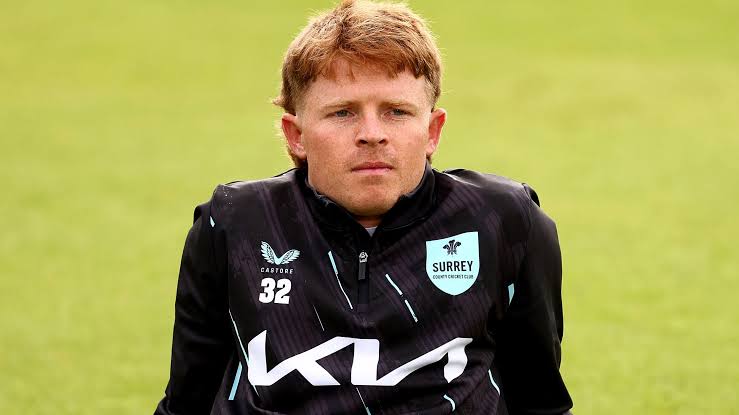
England batter Ollie Pope has officially withdrawn his name from the draft for the inaugural Afghanistan Premier League (APL), which is set to be hosted in the United Arab Emirates later this year. Pope, who was expected to be the only centrally contracted England player in the pool, made the decision independently as the cricketing world grapples with the ethics of engaging with nations where gender-based restrictions are enforced by governing authorities.The withdrawal has reignited a complex debate regarding whether athletes should participate in commercial leagues linked to Afghanistan, given the Taliban’s ongoing treatment of women and girls since returning to power in 2021. While the England and Wales Cricket Board (ECB) has consistently refused to arrange bilateral series with Afghanistan, England’s national side continues to compete against the country in major international tournaments, such as the World Cup and the Champions Trophy.Rob Key, the director of cricket for England, addressed the situation on the Test Match Special podcast. He emphasized that while legally it is difficult for cricket boards to prevent players from participating in overseas leagues, the choice ultimately becomes a personal moral decision. Key stated that he personally disagreed with the treatment of women in Afghanistan and would not participate in such competitions, though he noted that the responsibility for the final choice lies with the individual player.In the wake of Pope's decision, the contrast between player agency and board policy has become a point of contention for many involved in the sport. Other English cricketers, including former batter Dawid Malan, Moeen Ali, James Vince, and James Rew, remain entered in the APL draft. Malan acknowledged the difficulty of the situation, noting that players are frequently caught between their personal convictions and the practical necessity of earning a living through professional cricket.Malan pointed out the inconsistencies in the current landscape, questioning why players are forced to make individual ethical assessments when official boards continue to sanction matches against Afghanistan at the highest levels of global competition. According to Malan, players often feel they need clearer guidance and a unified position from their respective boards to navigate these ethical conflicts.Participation in overseas leagues generally requires a No Objection Certificate (NOC) from a player's home board. Despite the ongoing human rights concerns, the ECB has not imposed a blanket ban on players participating in these competitions. As a result, individual cricketers continue to weigh the potential for professional growth against the broader socio-political implications of their involvement.The situation serves as a stark reminder of the tension between global sporting participation and human rights advocacy. As international cricket bodies struggle to reconcile these issues, players like Pope are increasingly using their personal platforms to highlight their stance, marking a shift in how athletes engage with the political dimensions of their professional careers. For now, the cricketing community remains divided on the best path forward, balancing professional commitments against the gravity of the situation within Afghanistan.








Comments