


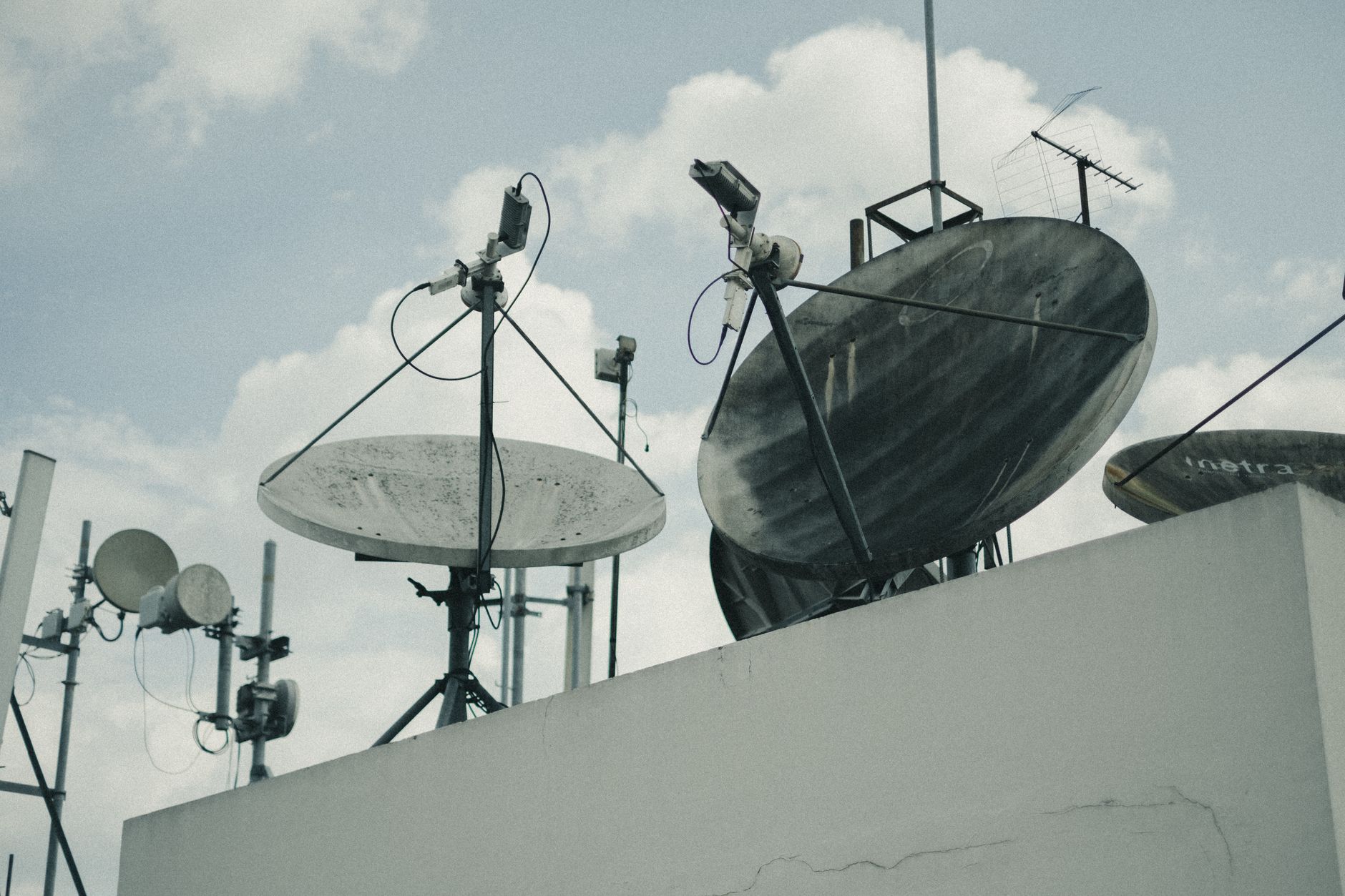
Elon Musk has alleged that unnamed powerful business interests are currently impeding the entry of his satellite internet service, Starlink, into the Indian market. In response to these claims, the Indian government has firmly rejected any accusations of discrimination. Officials have defended the current satellite communication approval framework, asserting that it is both fair and non-discriminatory, while emphasizing that mandatory security clearances and strict regulatory requirements remain central to the ongoing assessment process.
Simultaneously, a separate diplomatic issue has emerged concerning United States Vice President JD Vance’s recent characterization of foreign workers. India has raised strong objections to the Vice President describing such professionals as “indentured servants.” This dispute coincides with an intensifying crackdown within the United States on employment-based green card applications. The policy shifts have drawn significant scrutiny, as they directly impact major global technology companies, including several prominent Indian IT firms that rely on the H-1B visa pathway to staff their US-based operations.
The convergence of these events has sparked a broader debate regarding India’s commitment to regulatory independence and the protection of national security interests versus the pressures of international market access. As Starlink continues to navigate domestic licensing protocols, observers are closely watching how the tensions surrounding US immigration policy will influence the future of technological and professional cooperation between New Delhi and Washington. Both the satellite communication framework and the status of foreign workers remain significant points of contention that could shape the trajectory of bilateral ties in the coming months.








Comments