


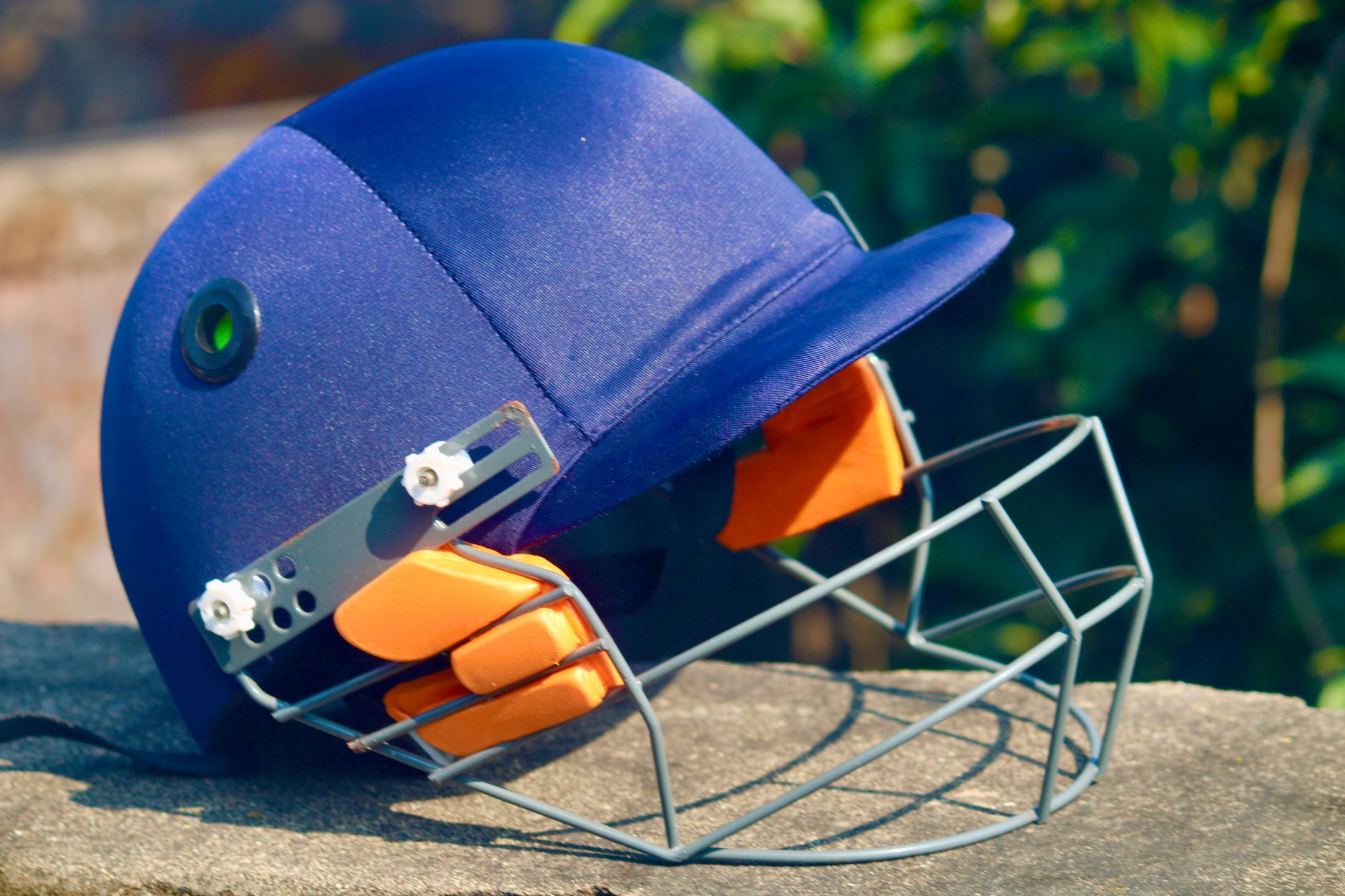
Australian batter Steve Smith was forced to undergo a formal concussion assessment on the fourth day of the first Test match against South Africa in Durban. The medical intervention followed a high-velocity delivery from South African fast bowler Anrich Nortje that struck Smith directly on his helmet during a tense period of play.
The incident occurred as Smith was attempting to negotiate a particularly hostile spell from the South African pace attack. As the ball rose sharply, the Australian player was unable to evade the bouncer, resulting in a direct impact to the protective headgear. The play was briefly halted as medical personnel rushed onto the field to attend to the batter, strictly adhering to the concussion protocols mandated by international cricket authorities to ensure player safety.
Following the blow, Smith was subjected to a series of standard neurological checks and physical observations to determine if he had suffered any symptoms indicative of a concussion. These assessments are now an integral part of modern cricket, designed to identify early signs of brain injury in players who have received significant impacts to the head. The match officials and medical team monitored his reactions closely before deciding on his continued participation in the innings.
This event highlights the inherent risks involved in facing high-speed bowling at the Test level, where deliveries often exceed 140 kilometers per hour. Players are frequently subjected to intense pressure from fast bowlers, and safety equipment, while advanced, remains the primary line of defense. The sight of a player requiring a concussion assessment often brings the broader conversation regarding player welfare and head protection to the forefront of the sport.
Steve Smith, known for his unique technique and immense concentration at the crease, has been a central figure in Australia's batting lineup for years. His ability to handle short-pitched bowling is well-documented, yet even the most experienced players remain vulnerable to the speed and bounce generated by world-class fast bowlers like Nortje. The crowd at Durban remained silent during the assessment, reflecting the collective concern for the player's well-being.
As the game continues, the focus remains on the outcome of the medical reports and whether Smith will be permitted to resume his innings or if he will be sidelined for the remainder of the match. The team's medical staff is expected to provide further updates based on their ongoing observations. Any potential absence of such a key batter would undoubtedly affect Australia's strategy and performance in the remainder of the Test series.
Cricket boards globally have tightened their concussion substitution rules over the past several years, allowing teams to replace a concussed player with a 'like-for-like' substitute. This regulation was introduced to prevent players from continuing to play while potentially suffering from the delayed onset of concussion symptoms, which can have long-term health implications. Whether such a replacement would be necessary in this specific case will depend on the final medical clearance issued by the doctors on duty.
This Test match in Durban is being closely watched by fans and analysts alike, given the high stakes and the competitive nature of the rivalry between Australia and South Africa. The health of the players involved is treated with the utmost priority, ensuring that competitive intensity does not compromise the long-term safety of those on the field.








Comments