


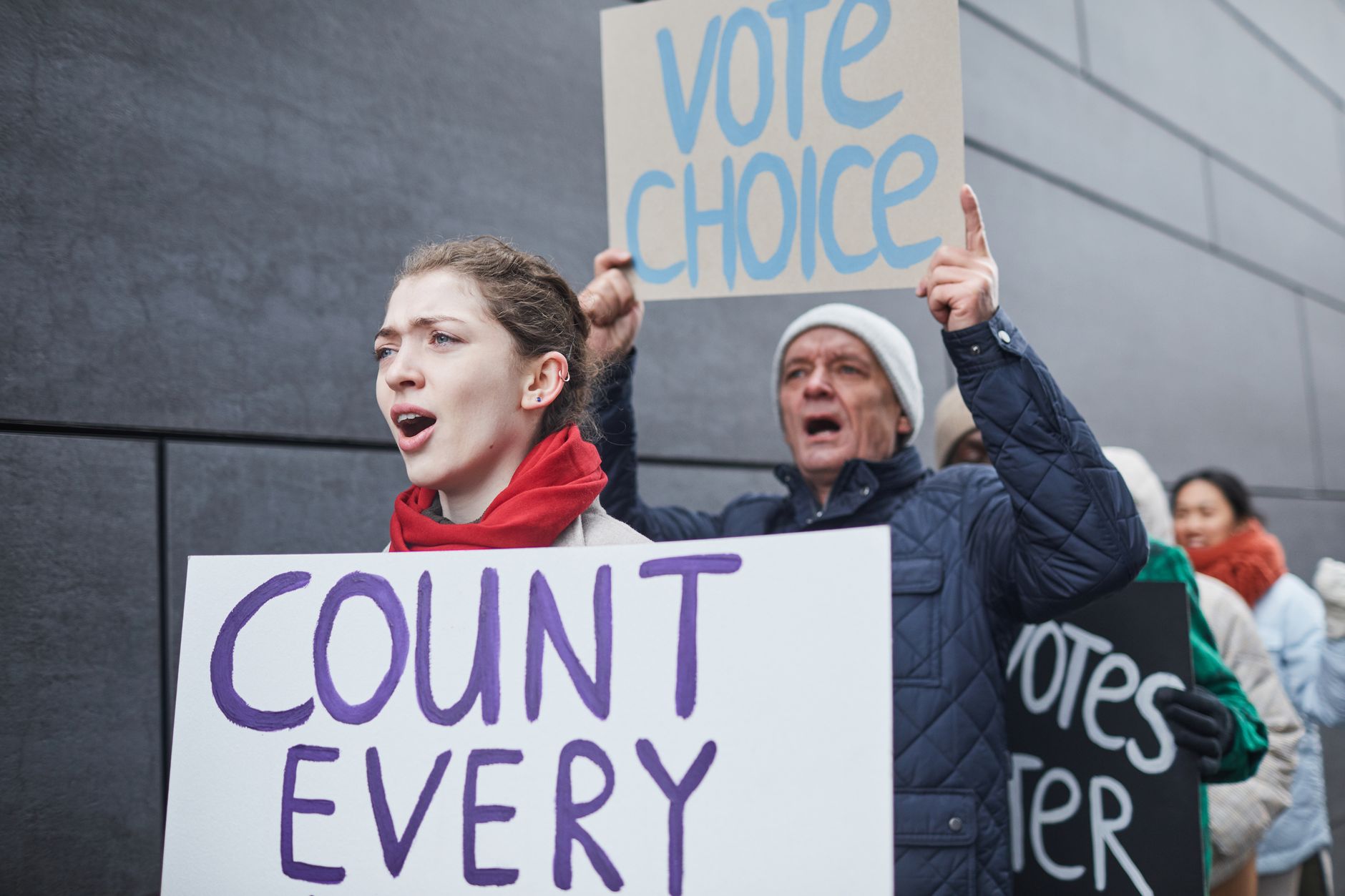
Recent political developments have highlighted a distinct separation between the Congress party and the Cockroach Janta Party (CJP), even as both groups coalesce around common criticisms of the Election Commission. While the opposition bloc, led by figures like Rahul Gandhi, has staged protests and marches toward the Supreme Court regarding alleged electoral irregularities, the CJP has simultaneously pursued its own independent campaign. This divide has persisted despite the groups often championing the same cause and utilizing similar political rhetoric, such as the “vote chori” slogan.
Rahul Gandhi, when recently questioned about the nature of these parallel demonstrations against Election Commissioner Gyanesh Kumar, characterized the movements as part of a single, unified struggle. Yet, in practice, the two sides have not shared a platform or coordinated their outreach. This functional distance was also noted during protests in October, when CJP founder Abhijeet Dipke, alongside leaders from the TMC, AAP, and Left parties, faced detention by the Delhi Police. During that same period, Rahul Gandhi was in Chennai, though he publicly condemned the police actions taken against the demonstrators.
The strategic divergence has prompted questions regarding whether the two groups are competing for political space. The CJP’s agitation against the election body mirrors the broader strategy employed by the Congress, which has highlighted alleged irregularities across states such as Karnataka, Haryana, Maharashtra, and Bihar. The slogan “Vote Chor, Gaddi Chhod,” which has become a staple at CJP street demonstrations, draws heavily from the political vocabulary popularized by Congress leadership. However, political analysts and party spokespersons have downplayed the notion of direct competition.
Former Congress national spokesperson Sanjay Jha rejected the idea of rivalry, framing the situation as a collective effort involving students, political parties, and civil society. Jha characterized the CJP as a successful student-led movement and argued that the ability of different groups to pursue shared demands independently should not be misconstrued as competition or infighting. He asserted that such narratives often stem from external propaganda rather than internal party disputes.
The pattern of independent mobilization appears to be a consistent feature of the relationship between the two organizations. Their handling of the 2026 NEET-UG controversy provides a notable precedent. During that period, both the Congress and the CJP demanded accountability and education reforms, including the resignation of then-education minister Dharmendra Pradhan. Despite these unified goals, the groups acted separately. On July 20, the CJP organized a “Chalo Sansad” march that was stopped by police, while the following day, the Congress held its own demonstration outside the Prime Minister’s residence.
Tensions have occasionally surfaced on a local level, as seen during recent events in Assam. Congress spokesperson Reetam Singh claimed that CJP co-convenor Ashutosh Ranka declined a meeting with local Congress leadership, even after party workers reportedly assisted in securing the release of detained CJP members. Congress representatives alleged that this refusal stemmed from a perception that the outreach was linked to the Aam Aadmi Party, with Congress members accusing the AAP of attempting to hijack grassroots movements.
Meanwhile, the Election Commission and the ruling Bharatiya Janata Party have consistently denied allegations of electoral manipulation. The poll body has maintained that its processes, including the revision of electoral rolls, are strictly intended to identify ineligible entries and ensure the accuracy of the voter data. As the situation evolves, the Congress and the CJP appear committed to maintaining their current parallel, yet distinct, approaches to political agitation.








Comments