


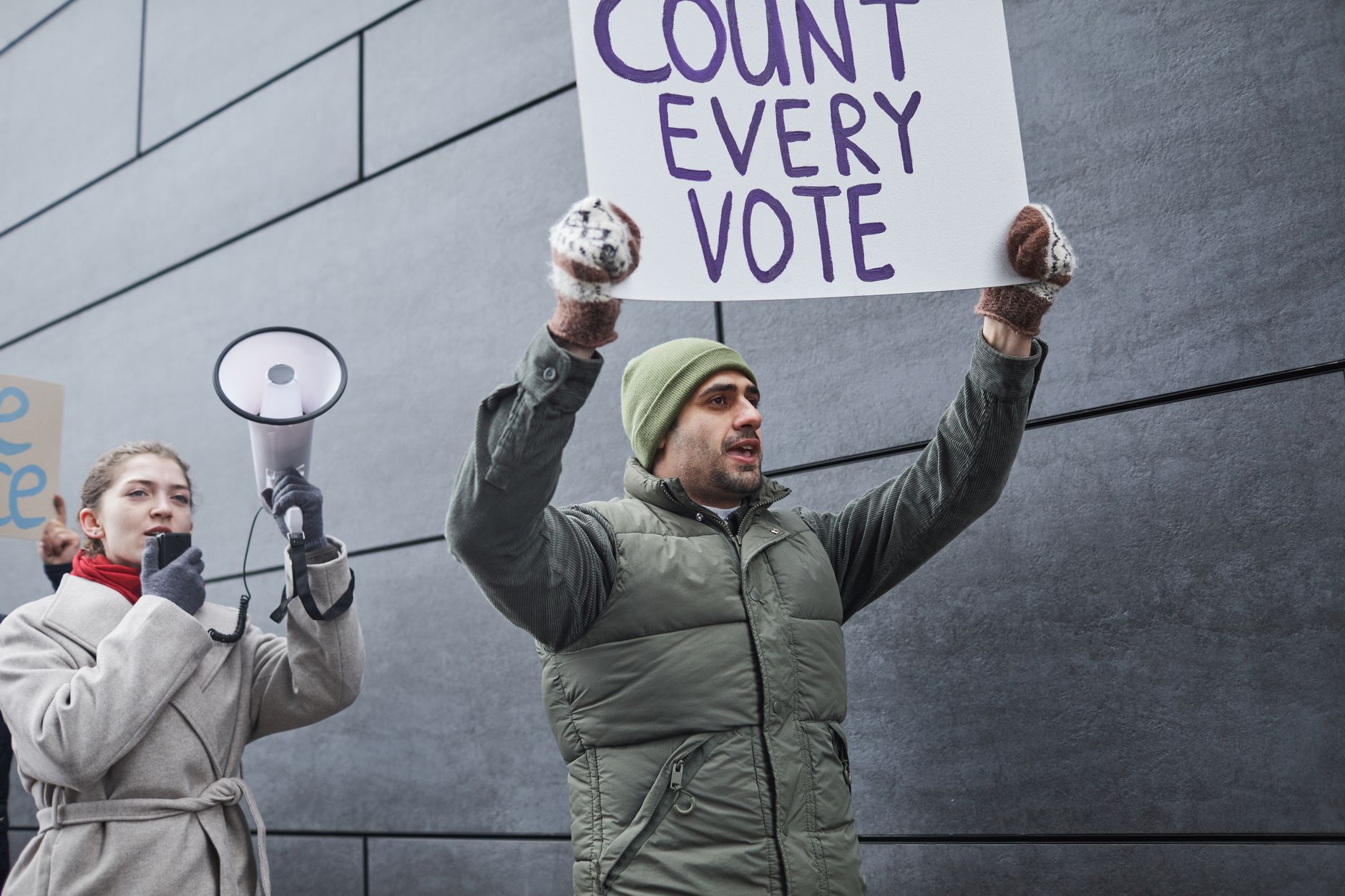
The political discourse in New Delhi has reached a heightened state of intensity as the INDIA bloc, led by senior Congress leader Rahul Gandhi, has intensified its confrontation with the Narendra Modi-led government. The opposition coalition is centering its current movement on allegations of electoral irregularities, which leaders have termed as "vote chori," or vote theft. This ongoing protest has brought the role and functionality of the Election Commission of India under significant public and political scrutiny.
At the heart of the opposition's campaign is a demand for greater institutional accountability. Rahul Gandhi and other key figures within the INDIA bloc have raised specific questions concerning the transparency of the electoral process. They argue that the current mechanisms, particularly those involving the management of electoral rolls, are insufficient to ensure a free and fair environment, necessitating immediate institutional oversight and a clear response from the constitutional body responsible for conducting elections.
A primary point of contention highlighted by the opposition involves the Special Intensive Revision (SIR) process. The INDIA bloc has consistently argued that the methodologies adopted during this revision phase have been prone to discrepancies, which they claim could undermine the integrity of the voting process. By focusing their efforts on the Election Commission, the opposition leaders are seeking to force a comprehensive review of these procedures to address what they describe as systematic flaws in how voters are enrolled and verified.
The intensity of this political stand-off has manifested in various forms of protest and public mobilization. As the confrontation deepens, the opposition has made it clear that they intend to maintain pressure on the government until their grievances are addressed through formal, transparent channels. The call for scrutiny is not merely a critique of the electoral roll management but is being framed by the opposition as a fundamental fight to preserve the fairness of democratic exercises in the country.
For the Narendra Modi-led government, this sustained push by the INDIA bloc represents a strategic challenge to its administration's narrative regarding democratic oversight. The government and its supporters have frequently navigated similar pressures in the past, yet the current focus on the Election Commission’s internal processes adds a distinct layer of institutional friction to the ongoing political rivalry. The opposition's insistence on an investigation into these alleged irregularities serves as a rallying point for their supporters ahead of future legislative discussions.
The path forward remains uncertain as both sides prepare for further developments in this ongoing dispute. The INDIA bloc’s focus on the SIR process and the broader administration of electoral data suggests that they are looking to keep the spotlight firmly on the Election Commission’s operational practices. Meanwhile, the Election Commission continues to navigate the complexities of managing electoral databases, a task that has now become a central battleground for national political discourse.
As the situation continues to evolve, the public is left watching how the constitutional authorities will respond to these persistent demands for transparency. The outcome of this confrontation may have significant implications for the conduct of future electoral processes and the relationship between the opposition and the institutions that govern the national political arena. For now, the focus remains on whether the concerns raised by Rahul Gandhi and the INDIA bloc will prompt a shift in how electoral rolls are managed and scrutinized across the country.








Comments