


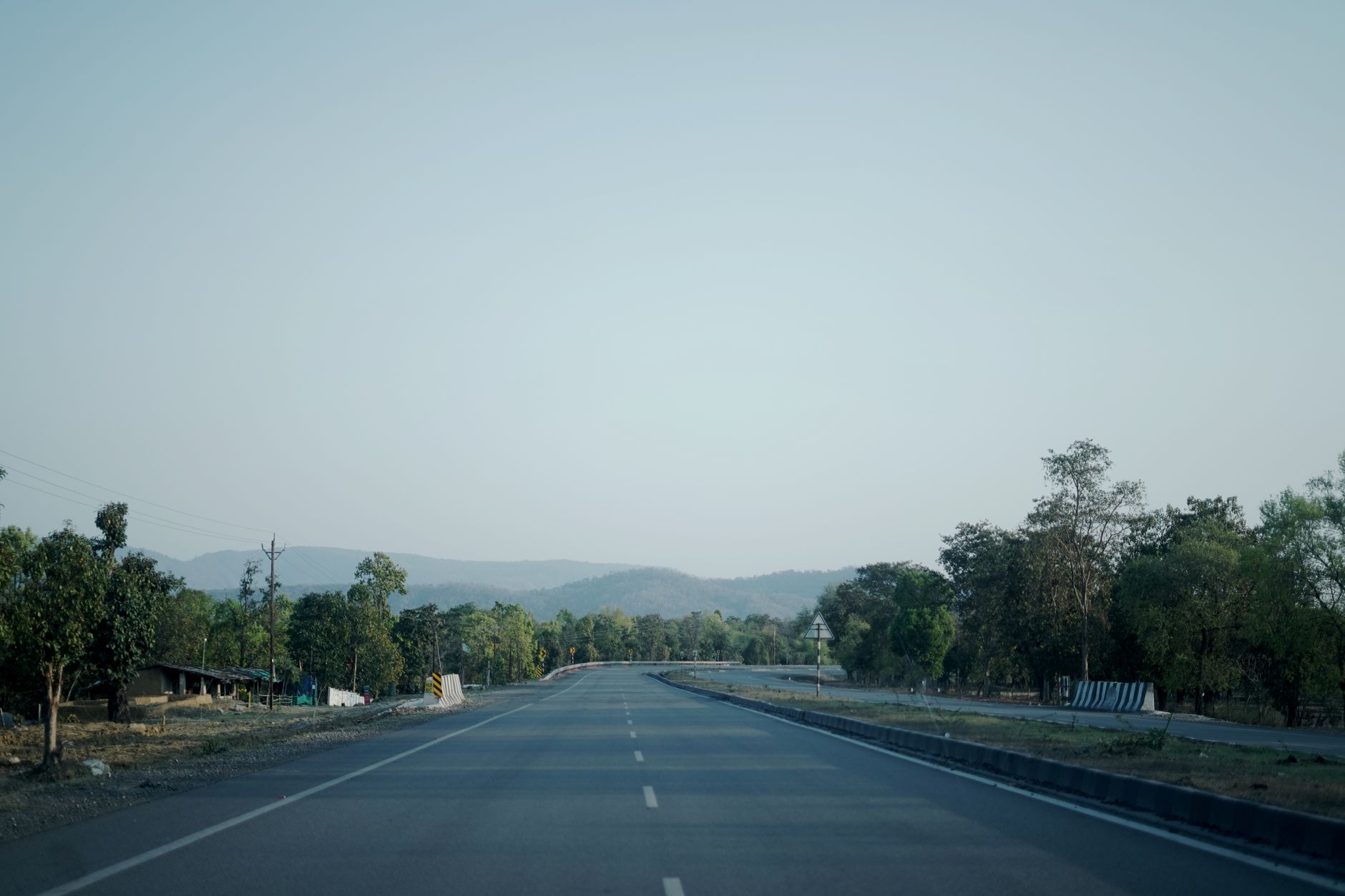
The proportion of India's 1.46 lakh km national highway network consisting of roads narrower than two lanes has decreased to approximately 8 percent. This represents a significant decline from nearly 25 percent during the 2018-19 period. According to recent reports, the total length of these narrower roads has shrunk by 64 percent over the past nine years, leaving about 13,000 km of such stretches remaining.
This infrastructural shift follows a concerted government push to prioritize high-speed corridors, expressways, and greenfield access-controlled routes. Data indicates that the network of highways featuring four or more lanes has expanded by 1.5 times, while the total length of high-speed corridors has increased more than 12-fold. Officials maintain that these wider, multi-lane roads are intended to facilitate smoother travel, enhance connectivity, and reduce overall logistics costs for the movement of goods and passengers.
Despite the development of advanced road networks, the operational efficiency of freight transport remains an area of focus. Indian trucks currently cover roughly 300-350 km daily, a figure that trails behind trucks in China and the US, which cover 550-650 km and 700-800 km, respectively. Observations from the Ahmedabad-Vadodara Expressway demonstrate the potential for improvement; trucks on the expressway reached average speeds of 80 kmph, compared to 52 kmph on the parallel NH-64, with the former carrying double the daily traffic volume.
Looking ahead, the government aims to significantly scale up infrastructure capacity, with plans to develop approximately 51,000 km of high-speed corridors over the next decade. These projects will include initiatives from both the central and state governments. Experts note that while the expansion of these corridors is set to continue, the long-term impact on national freight efficiency will likely depend on how effectively these new routes integrate with existing industrial hubs, logistics infrastructure, and the broader highway network.








Comments