


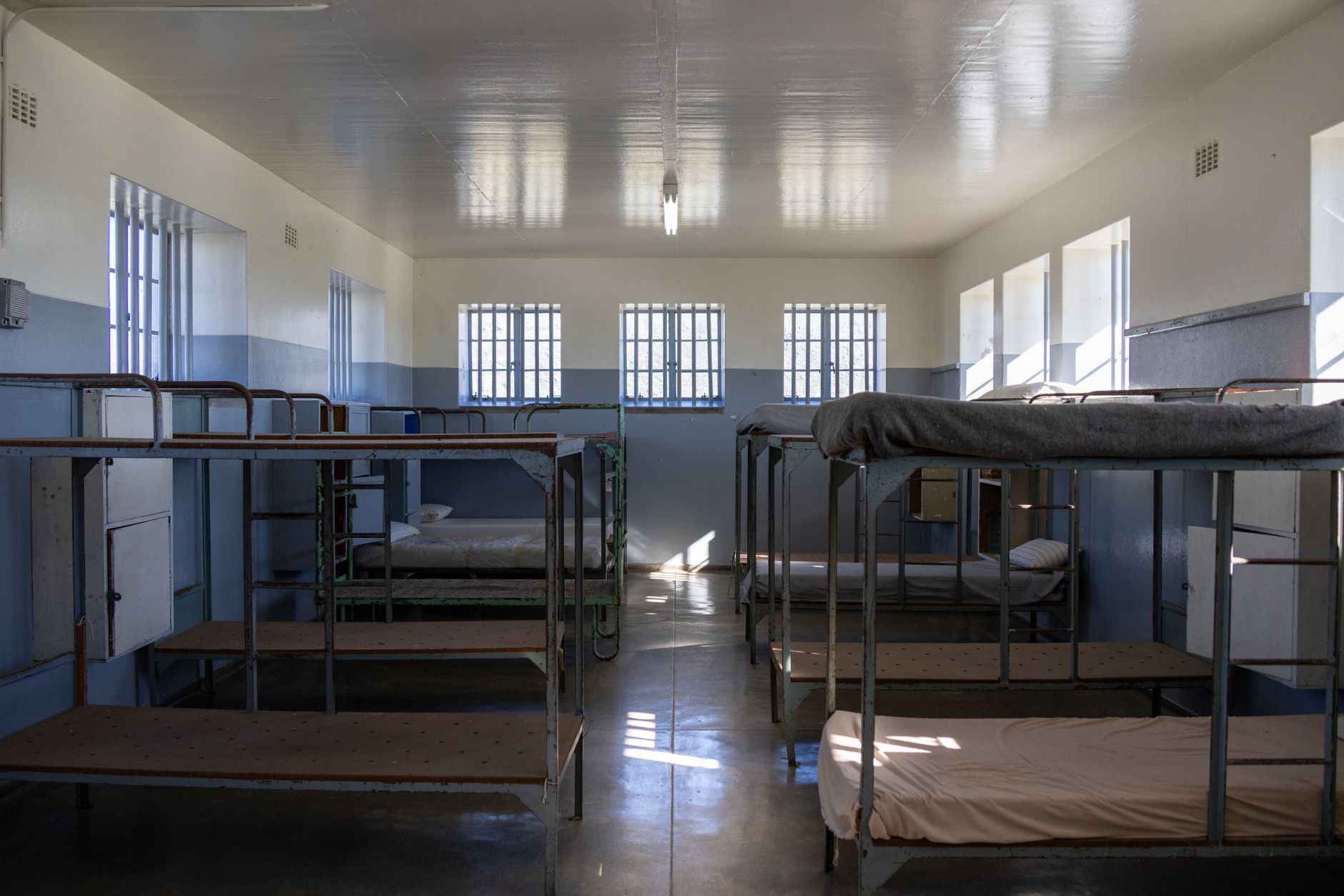
Five European nations have announced a collaborative plan to establish a deportation and return hub in Rwanda, aiming to manage the movement of rejected asylum seekers. Austria, Denmark, Germany, Greece, and the Netherlands reached the agreement, with the facility expected to be operational by 2027. Officials stated that the scheme is designed to deter illegal migration and provide a new option for those who have exhausted all legal avenues to remain in their respective EU nations.
Rwandan Interior Minister Vincent Biruta stated that his country is committed to offering a "second chance" to those who lack the legal right to remain in Europe. According to the plan, individuals transferred to the hub will have the option to voluntarily return to their countries of origin, integrate into Rwandan society with access to labour markets and healthcare, or relocate to another destination where they possess a legal right to reside. During a press conference in Vienna, Austrian Chancellor Christian Stocker noted that the move is intended to relieve pressure on European asylum systems and undermine the business models of human traffickers.
The Dutch government confirmed that the first phase of the deal will focus exclusively on returning single men, with a specific emphasis on individuals from countries within the same region as Rwanda. Diplomatic sources cited by AFP indicated the hub may initially function as a pilot project, potentially hosting approximately 100 people, with each of the five participating countries contributing about 20 individuals. While the initiative follows recent European Union reforms permitting the creation of hubs outside the bloc, the participating nations maintain the program aligns with both international and EU law.
The proposal has faced significant backlash from international organizations. A joint statement issued by 47 aid, trade union, and rights groups called on the five governments to abandon the plan. Critics argue that the deal risks exposing vulnerable individuals to human rights violations and provides political leverage to a government they claim is responsible for regional abuses. Human Rights Watch specifically warned that the hub could facilitate ongoing issues regarding dissent and detention within the host nation. In response to concerns, Rwanda’s interior minister indicated that an independent monitoring mechanism would be established to oversee human rights, with potential cooperation from the United Nations’ refugee agency or the International Organization for Migration.
Key facts
- The five participating nations are Germany, Denmark, Austria, Greece, and the Netherlands.
- The "return hub" is expected to begin operations in 2027.
- The initial phase of the program is intended to apply only to single men.
- The pilot project is expected to host about 100 people, with each nation potentially sending 20 migrants.
- Rwanda's government stated it will provide an independent monitoring mechanism for the facility.
Why it matters
The deal represents a significant shift in European migration policy, as governments face increasing pressure to demonstrate control over borders ahead of upcoming elections. By establishing processing centres outside the bloc, these nations hope to increase deportation rates for those not entitled to stay. The outcome of this pilot will likely influence future EU migration strategy and further debates regarding the responsibility of third-party countries in managing global displacement.
Background
This initiative follows a previous, separate migration deal between the United Kingdom and Rwanda established in the early 2020s. That agreement was never fully implemented due to legal challenges and was ultimately cancelled by the UK government in 2024 after a Supreme Court ruling determined it was unlawful.
Source: Al Jazeera, BBC







Comments