


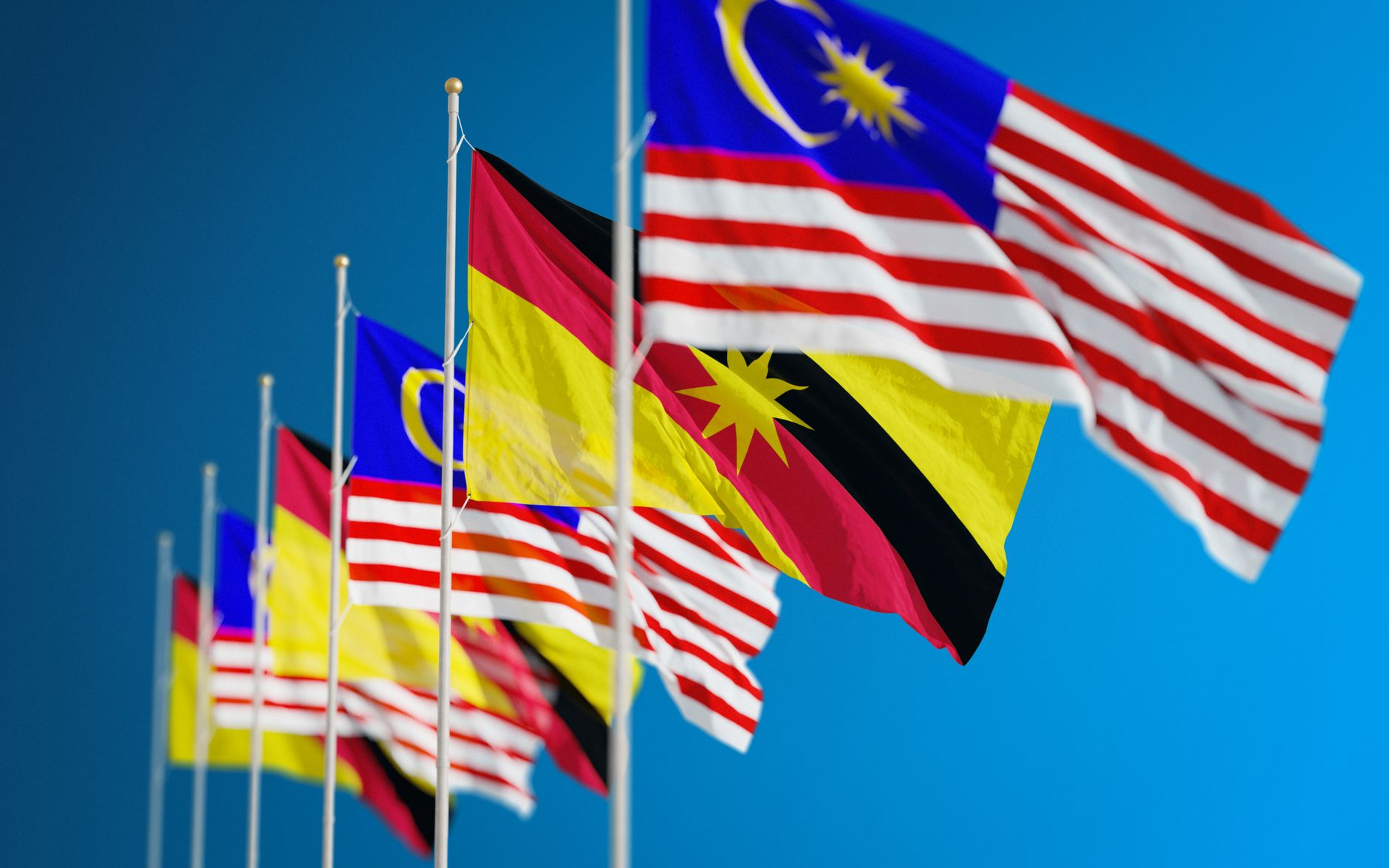
China and the Association of Southeast Asian Nations (ASEAN) have concluded meetings in Manila without reaching a final agreement on a code of conduct for the South China Sea. Although a draft has seen tentative agreement on approximately 80 percent of its contents, significant obstacles persist. Theresa Lazaro, the Philippines’ foreign minister, told reporters on Sunday that key issues, including the critical question of whether the code would be legally binding, remain unresolved.
Negotiations regarding the maritime region have spanned over two decades, as several nations maintain overlapping territorial claims. The Philippines, serving as the current chair of the 11-member bloc, had aimed to accelerate the process to reach a conclusion by the end of this year. Lazaro noted that the countries involved hold diverging views on regional dynamics and expressed hope that discussions might advance next year under Singapore’s chairmanship.
The dispute centers on China's claims over the majority of the South China Sea, which overlap with the exclusive economic zones of Brunei, Indonesia, Malaysia, the Philippines, and Vietnam. While Southeast Asian nations advocate for a code rooted in international law, Beijing maintains that its maritime actions are both lawful and professional. Tensions have intensified in recent years, marked by frequent confrontations, including the use of water cannons and disruptive maneuvers against Philippine supply missions.
In a separate development at the Manila summit, ASEAN leaders reaffirmed their stance on the ongoing crisis in Myanmar. The bloc extended its existing ban on Myanmar's top leadership attending annual summits, determining that the military regime has failed to adhere to the five-point peace plan established in 2021. The leadership is restricted to sending non-political, lower-level career diplomats to represent the country.
Leaders expressed “deep concern” regarding the continued violence in the country, specifically condemning attacks on civilians and infrastructure. Lazaro, who also serves as ASEAN’s special envoy to Myanmar, indicated that the bloc intends to monitor the situation closely as the civil war continues to cause widespread displacement.
Key facts
- Approximately 80 percent of the draft code of conduct for the South China Sea has received tentative agreement.
- Negotiations between ASEAN and China have been ongoing for more than 20 years.
- Myanmar is currently banned from sending its leadership to ASEAN summits for non-compliance with a 2021 peace plan.
- The Philippines holds the current rotating chair of ASEAN, with Singapore scheduled to take over next year.
- An international arbitration tribunal ruled against the legality of China’s sweeping maritime claims in 2016.
Background
The 2021 five-point consensus was adopted by ASEAN following a military coup in Myanmar that ousted the elected government of Aung San Suu Kyi, triggering a civil war that has since spread across the country.
Source: Al Jazeera





Comments