


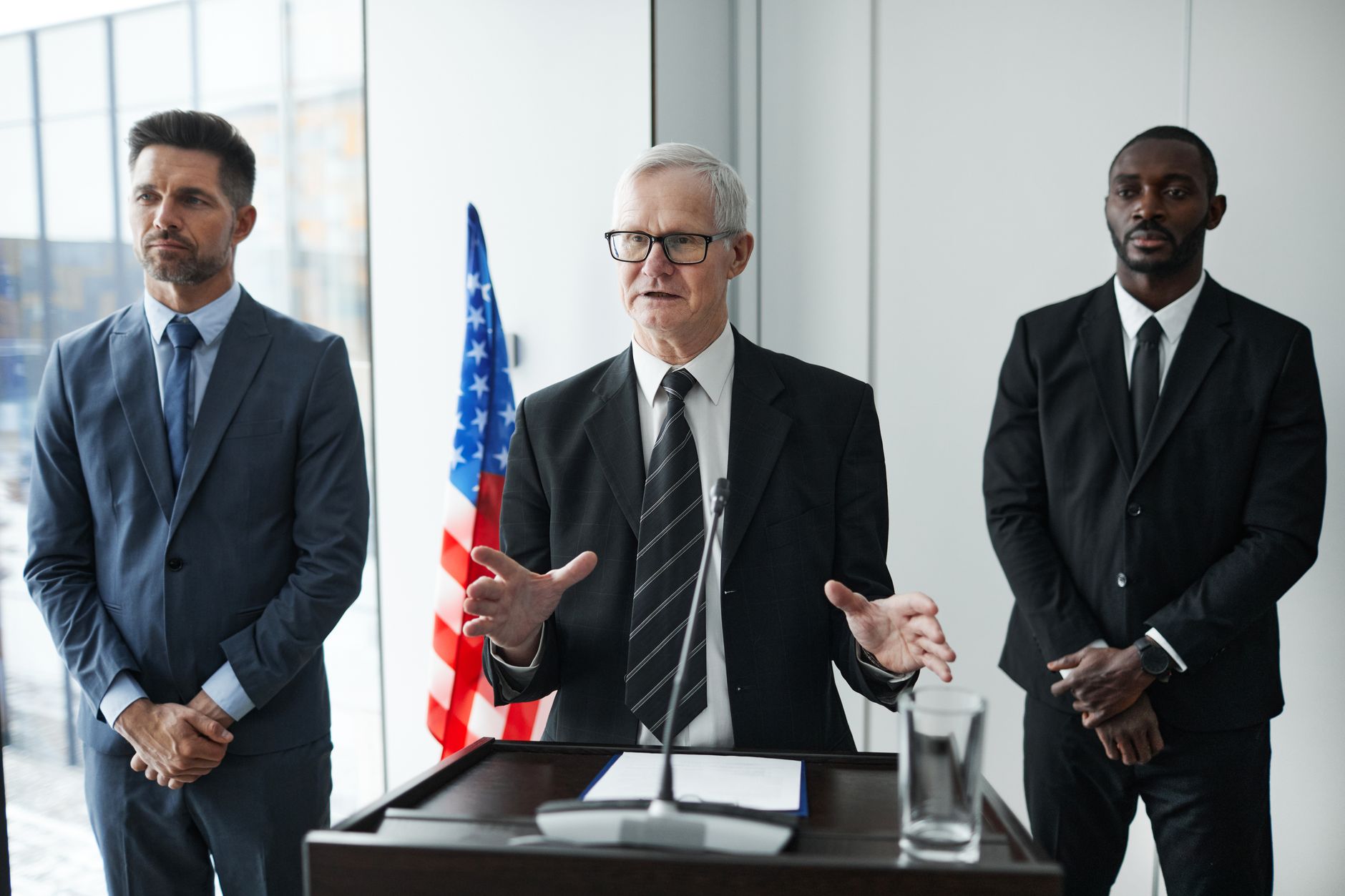
Former US Secretary of State Antony Blinken stated on Saturday that technological cooperation is set to become the primary catalyst for the future of India-US relations. Speaking at the 24th Hindustan Times Leadership Summit 2026, Blinken described the strategic convergence between the two nations as an essential element of the 21st century.
He identified semiconductors, artificial intelligence, space, and quantum technology as key sectors for collaboration. According to Blinken, while the 2008 civil nuclear deal served as a major turning point for the bilateral partnership, the current focus must shift toward technological integration to strengthen the relationship further.
Addressing the diplomatic dynamic between the two countries, Blinken emphasized that Washington should not expect India to follow its lead on every issue. He noted that the United States understands India’s long-standing ties with Russia, adding that the two nations had been “estranged democracies for 50 years” before their partnership began to evolve over the last quarter-century.
Blinken also discussed the ongoing conflict in West Asia, characterizing the US war against Iran as a “war of choice.” He suggested there is a 20–25% probability of further escalation in the region. Regarding the conflict, which began on February 28, 2026, following failed diplomatic efforts to curb Tehran’s nuclear programme, he remarked that finding a sustainable “off-ramp” remains difficult.
Key facts
- Antony Blinken spoke at the 24th Hindustan Times Leadership Summit in New Delhi.
- Key sectors for future cooperation include semiconductors, AI, space, and quantum technology.
- The US initiated a war against Iran on February 28, 2026.
- Blinken described the India-US partnership as having changed significantly over the past 25 years.
- The US State Department recently announced a reward of up to $20 million for information regarding Iran’s nuclear programme.
Why it matters
The remarks come as India and the United States are engaged in ongoing negotiations to finalise the first tranche of a proposed bilateral trade agreement. The emphasis on technology reflects a shift from previous cooperative frameworks toward modern strategic supply chain security.
Background
The diplomatic relationship between India and the United States underwent a significant shift starting toward the end of the Clinton administration, moving away from a period of being “estranged democracies” for five decades.
Source: Livemint, Hindustan Times








Comments