


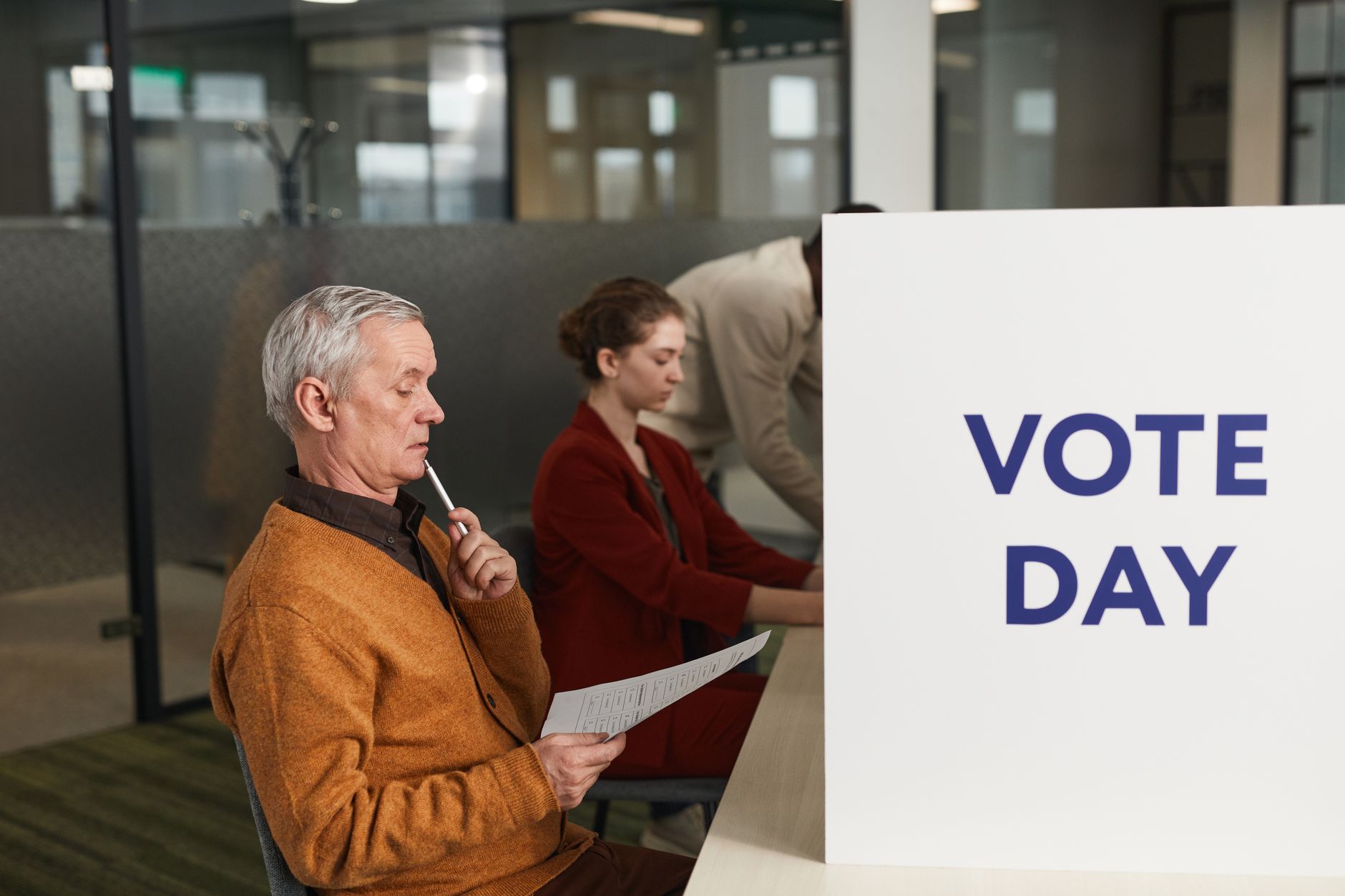
South Sudan has postponed its first-ever presidential and parliamentary elections, moving the scheduled voting date from December 22 to February 11, 2027. The National Elections Commission announced the delay on Saturday, November 14, 2026, though commission officials declined to provide a specific reason for the change.
The announcement coincided with the intended start of a nationwide voter registration drive. According to commission chairman Gabriel Bol Deng, the authorities established 3,161 registration centres across the country to facilitate the process, backed by over 22,000 recruited staff members. However, some officials noted that not all necessary equipment had reached the centres by the start date.
The logistical challenges are compounded by a lack of formal identification among the population. Data from the World Bank indicates that approximately 90 percent of the nation’s 15 million citizens do not possess state-recognized identification. To address this, authorities plan to allow community leaders to verify citizens in rural areas, who will then be issued “identification forms” to enable them to vote.
Political and ethnic tensions remain high in the country. In September, President Salva Kiir dissolved the transitional unity government to form a caretaker administration, a move that critics and the United Nations Commission on Human Rights in South Sudan warned could centralize power and heighten the risk of conflict. Meanwhile, ongoing clashes between government forces and followers of former Vice President Riek Machar—who has been under house arrest since March 2025—along with regional cattle-rustling disputes, have contributed to a volatile security environment.
Key facts
- The new polling date is set for February 11, 2027, with results expected four days later.
- A 45-day campaign period is scheduled to run from December 27 to February 9.
- More than 3,100 voter registration centres have been established nationwide.
- South Sudan gained independence from Sudan in 2011.
- A civil war between 2013 and 2018 claimed at least 400,000 lives.
Why it matters
International observers and the United Nations have repeatedly expressed concern that the current climate of violence and displacement poses a risk of “renewed conflict and atrocity crimes.” Analysts warn that without an inclusive political settlement and strengthened institutions, the electoral process itself could potentially act as a trigger for further instability in the region.
Background
The country has faced multiple delays to its national elections since initially targeting 2022 as the year to hold the vote. Despite a 2018 peace deal that concluded five years of civil war, South Sudan continues to experience significant outbreaks of violence and disruption to humanitarian operations.
Source: Al Jazeera, The Hindu







Comments