


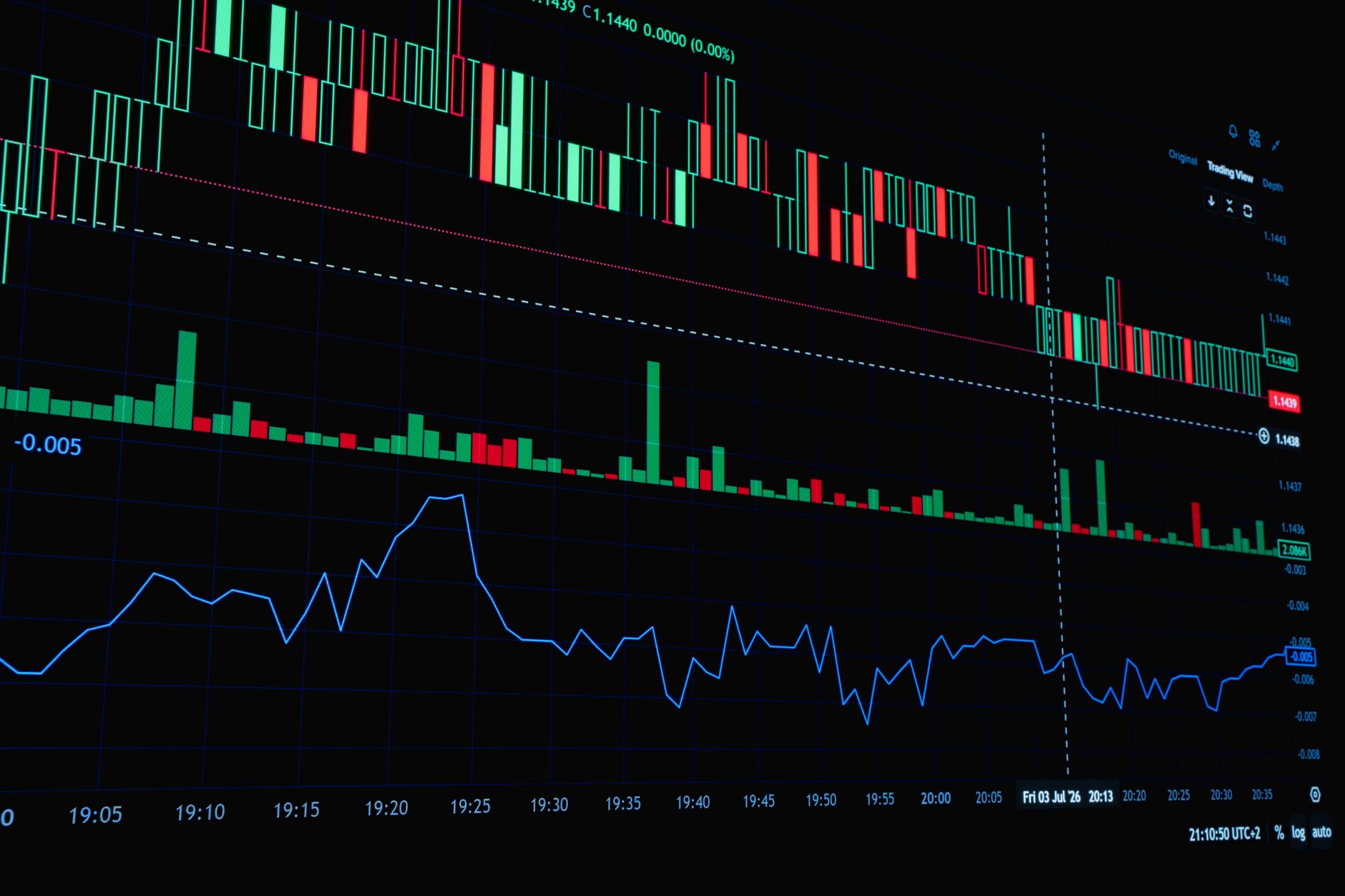
The Indian rupee is expected to see significant gains against the US dollar following the introduction of new measures by the Reserve Bank of India (RBI) aimed at curbing market speculation. Forex dealers are projecting a gap opening in the exchange rate, noting that the domestic currency could record its sharpest appreciation in recent times. The central bank's intervention includes direct dollar sales and stricter documentation requirements for commercial purchases, which are expected to place downward pressure on the dollar.
Despite the support for the rupee, market participants have raised concerns about a potential freeze in liquidity. The introduction of a 20% Foreign Exchange Risk Reserve (FERR) requires banks to lock up interest-free cash with the RBI when selling forex derivatives to importer clients. Ashhish Vaidya, head of treasury at DBS Bank, stated that desks require substantial operational clarity from the regulator before they can confidently resume quoting two-way prices. The uncertainty surrounding how and when these reserves will be debited is complicating trade pricing for financial institutions.
The new regulations are also impacting corporate entities, particularly those engaged in hedging external commercial borrowings. There is ongoing debate regarding whether the 20% reserve requirement applies solely to the interest portion of swap contracts or the entire agreement. Industry experts warn that the opportunity cost of holding idle cash—estimated at roughly 6.5% to 7%—will likely be passed on to companies through higher swap spreads. This development threatens to make standard hedging strategies uneconomical for genuine borrowers.
Furthermore, importers who previously secured forward contracts face potential financial strain as the rupee strengthens. Those holding "long" dollar positions may encounter significant mark-to-market losses if the currency appreciates by more than one rupee against the dollar. Dealers have suggested that regulatory adjustments, such as differentiating between retail and wholesale market participants, might have been a more effective approach than the current threshold reductions for derivative transactions.







Comments