


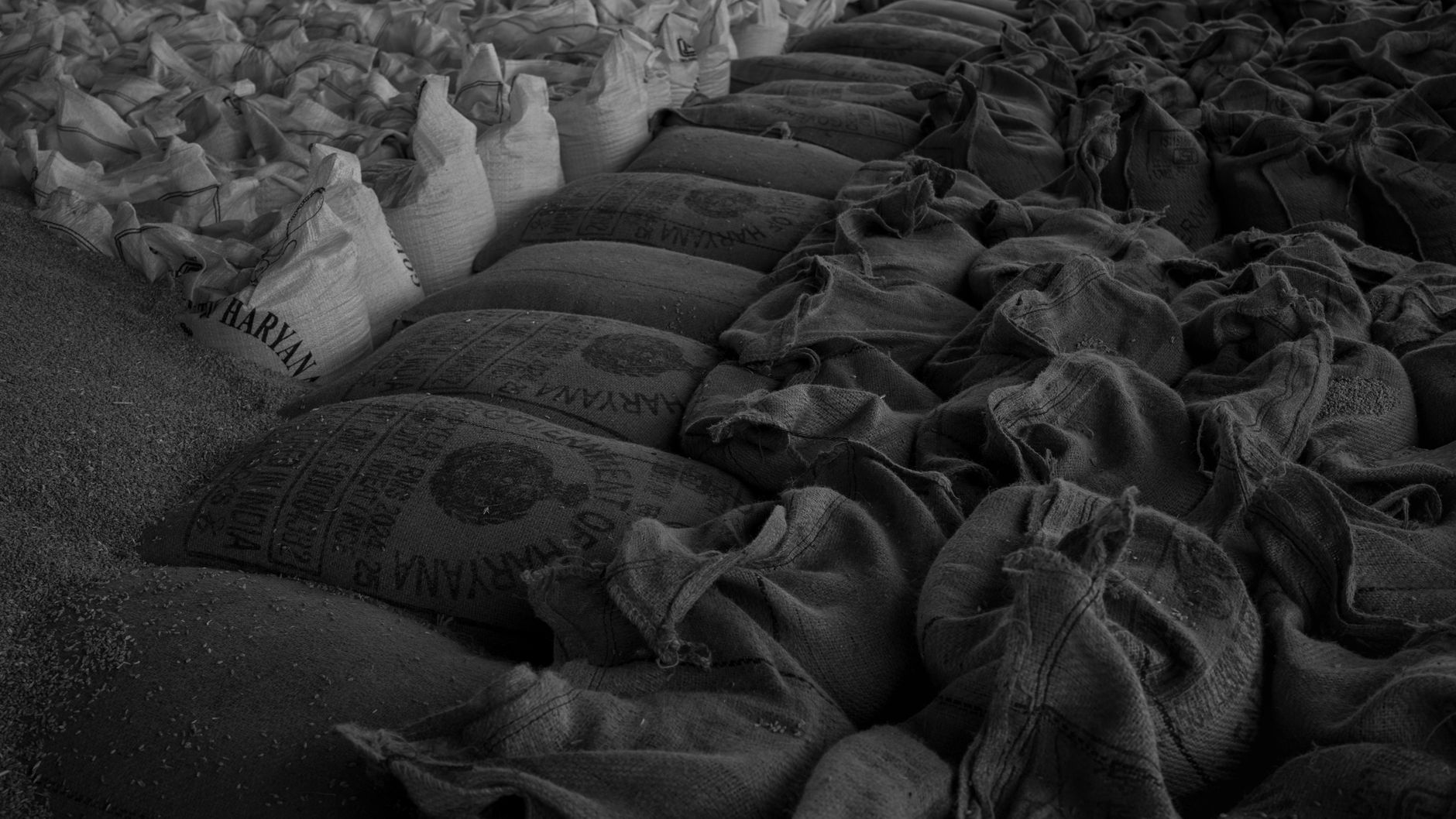
The Tamil Nadu government has issued new orders imposing stock limits on paddy, rice, and pulses to combat price inflation and prevent the hoarding of essential commodities. The state government stated the move is intended to ensure equitable distribution and maintain the availability of these food items at fair prices across the state.
Issued by the Cooperation, Food and Consumer Protection Department under Section 3 of the Essential Commodities Act, 1955, the directives apply to wholesalers, retailers, millers, importers, and processors. The regulations, which came into force with immediate effect, require all affected entities to declare their current stock positions on the Department of Consumer Affairs’ portal. Any entity holding supplies above the prescribed threshold must reduce their stock to permitted levels by November 16, 2026.
For paddy and rice, the government has set a maximum limit of 2,000 metric tonnes (MT) for wholesalers and eight tonnes for individual retail outlets. Large retail chains are capped at eight tonnes per outlet, with their total stock determined by multiplying that figure by the number of their operational stores. Rice millers are restricted to holding no more than one month’s production capacity, while importers are prohibited from retaining stocks for more than 45 days after customs clearance.
The rules for tur and urad dal allow wholesalers to store up to 200 MT per variety, while retailers are limited to five tonnes. Big chain retailers face a cap of five tonnes per outlet and 200 MT per depot for each pulse. Millers dealing in pulses may hold the equivalent of their last three months’ production or 25% of their annual installed capacity, whichever is higher.
Key facts
- The stock limit for paddy and rice remains in force until January 31, 2027.
- The storage control order for pulses will remain effective for three months.
- Importers of both rice and pulses must clear stock within 45 days of customs clearance.
- Processors are limited to 60% of their monthly installed capacity multiplied by the number of months until January 2027.
- The government order was issued by Additional Chief Secretary P. Amudha.
Why it matters
The state government implemented these measures amid rising prices of essential food items and criticism regarding the current market conditions. By enforcing these caps, officials aim to stabilize supply chains and protect consumers from the impact of artificial shortages caused by hoarding.
Source: Economic Times, The Hindu








Comments