


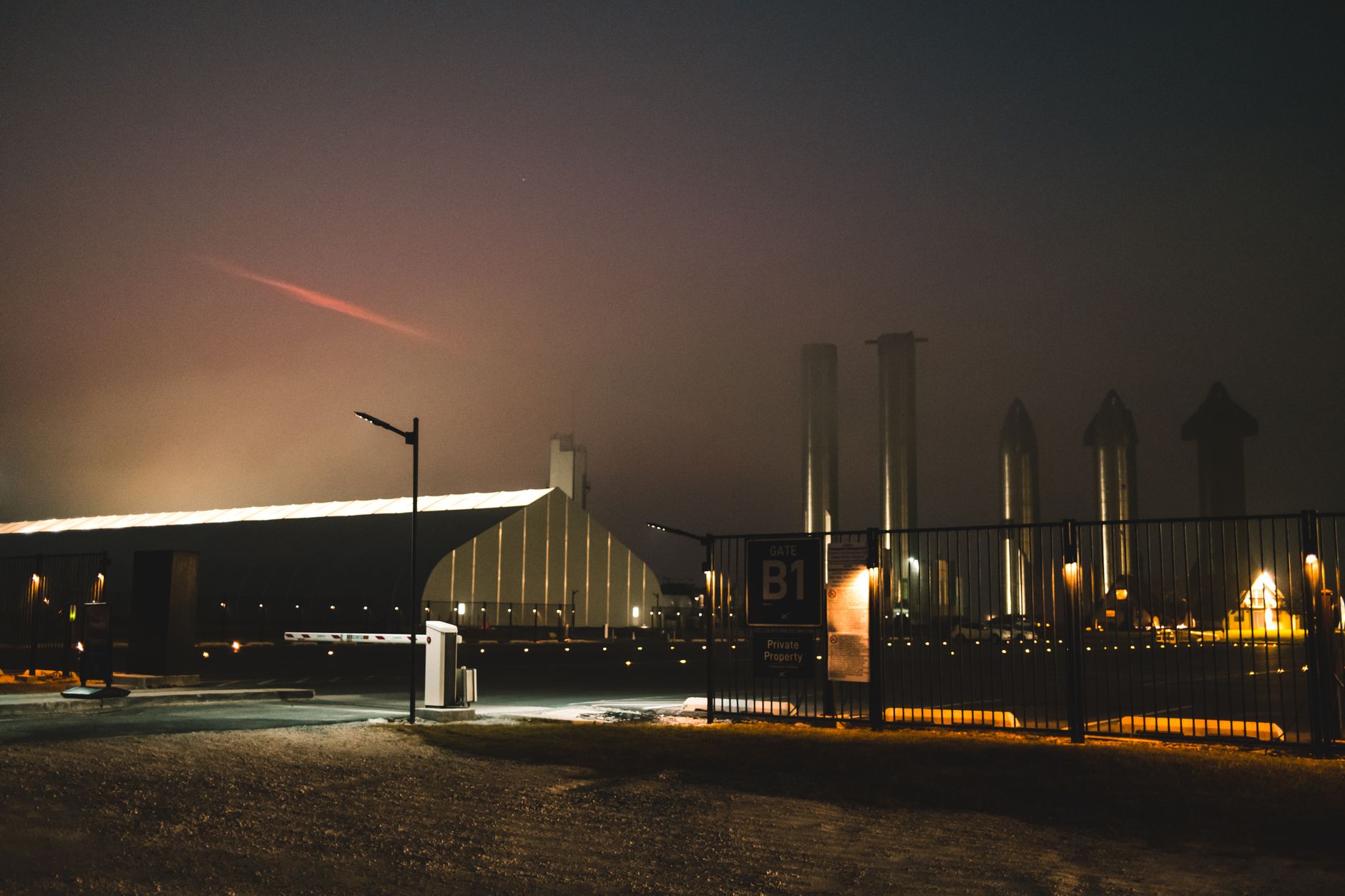
SpaceX is preparing for a significant test flight of its Starship rocket, during which the company will attempt to recover both sections of the launch vehicle for the first time. The 124m-tall rocket is set to blast off from the Starbase launchpad in Texas on Friday, with a 75-minute launch window beginning at 16:45 local time.
The mission involves a complex recovery procedure using mechanical arms on the launch tower, often referred to as "chopsticks." The company has previously performed three successful catches of the Super Heavy booster, the lower section of the rocket. During this upcoming flight, the booster is expected to return for a catch attempt roughly six and a half minutes after liftoff. Simultaneously, the upper section, known as the Ship, will continue into space to deploy 26 satellites for the Starlink constellation.
While the booster recovery has become a part of SpaceX's testing routine, the company has never successfully grabbed the upper-stage Ship with the launch tower arms; in previous tests, the stage has splashed down in the ocean. SpaceX officials stated that the decision to attempt the catch of the Ship will depend on a careful assessment of the vehicle's condition while in orbit. The Ship is scheduled to complete 14 orbits before returning for the second catch attempt approximately 22 and a half hours after the initial launch.
Key facts
- The Starship rocket measures 124 metres in height and is the most powerful rocket ever flown.
- The mission includes the deployment of 26 satellites to support the Starlink high-speed internet constellation.
- SpaceX has successfully caught the Super Heavy booster on three previous test flights.
- Nasa is monitoring the project as part of its Artemis programme to land humans on the Moon.
- If any technical issues occur, the vehicle can be diverted for an ocean splashdown instead of a tower catch.
Why it matters
Full reusability of the Starship system could fundamentally alter the economics of space access. Beyond its own operations, SpaceX is contracted by Nasa to configure the Ship as a lander for the Artemis III mission, which aims to transport astronauts to the lunar surface. Developing this technology is considered essential for meeting ambitious lunar exploration timelines.
Background
Since vertically landing its Falcon 9 booster in 2015, SpaceX has pursued the goal of total rocket reusability. The Falcon 9 now operates with a flight frequency of over one hundred launches per year, providing a model for how repeated usage can reduce overall launch costs.
Source: BBC








Comments