


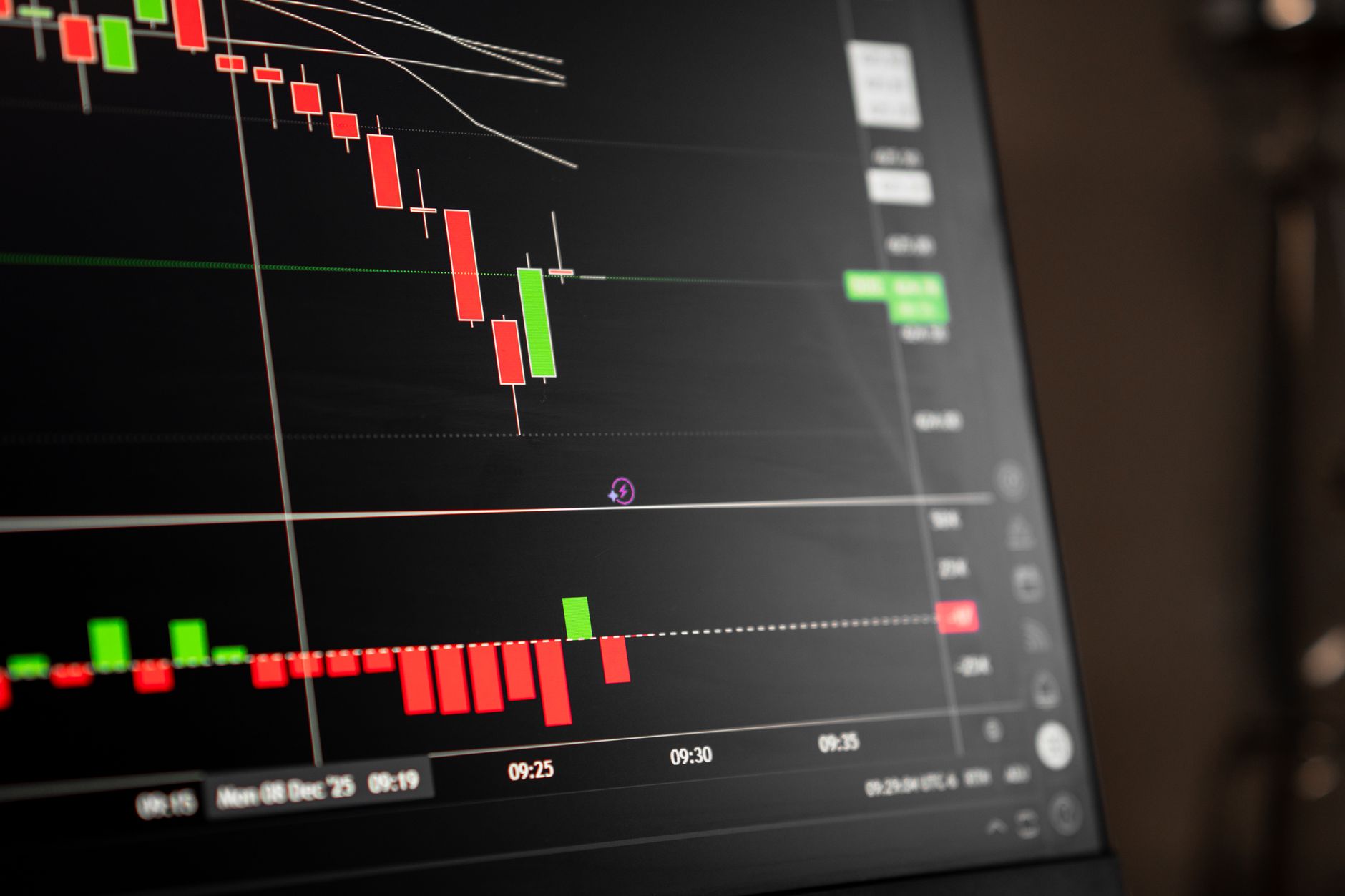
Indian stock markets are currently witnessing a notable divergence in investor behavior. While benchmark indices like the Sensex continue to decline—remaining roughly 16% below lifetime highs—the primary market for Initial Public Offerings (IPOs) is experiencing robust capital inflows. This trend reflects a broader shift in strategy as both foreign portfolio investors (FPIs) and retail participants reassess their portfolios amid rising crude oil prices and fluctuating US bond yields.
Data highlights the scale of this migration. In September 2026, FPIs sold $4.8 billion worth of listed equities, marking the highest monthly outflow since April 2026. Conversely, these investors directed $1 billion into IPOs during the same month. This pattern has persisted throughout the year; in the first nine months of 2026, FPIs pulled out $33.7 billion from the secondary market while investing $5.9 billion into new issuances. Retail investors have followed a similar trajectory, shifting their focus from listed shares to the primary market.
Market analysts attribute this trend to strategic asset reallocation driven by valuations. According to Sneha Poddar, VP of Research at Motilal Oswal Financial Services, investors are trimming exposure to mature, fully valued companies in the secondary market to capitalize on growth-oriented businesses often available at competitive pricing in IPOs. Experts note that listed large-cap stocks are easier to liquidate during periods of global economic uncertainty, whereas IPOs offer fixed-price entry points and potential long-term growth prospects.
Furthermore, currency depreciation has played a role in these decisions. With the rupee weakening against the US dollar, foreign investors are finding it more efficient to redeploy capital into IPOs, which often provide better allocation certainty. While retail participation is sometimes fueled by the prospect of immediate listing gains, institutional investors increasingly view these offerings as a means to secure strategic stakes in emerging sectors, such as renewable energy and digital infrastructure, that are not adequately represented in traditional market benchmarks.








Comments