


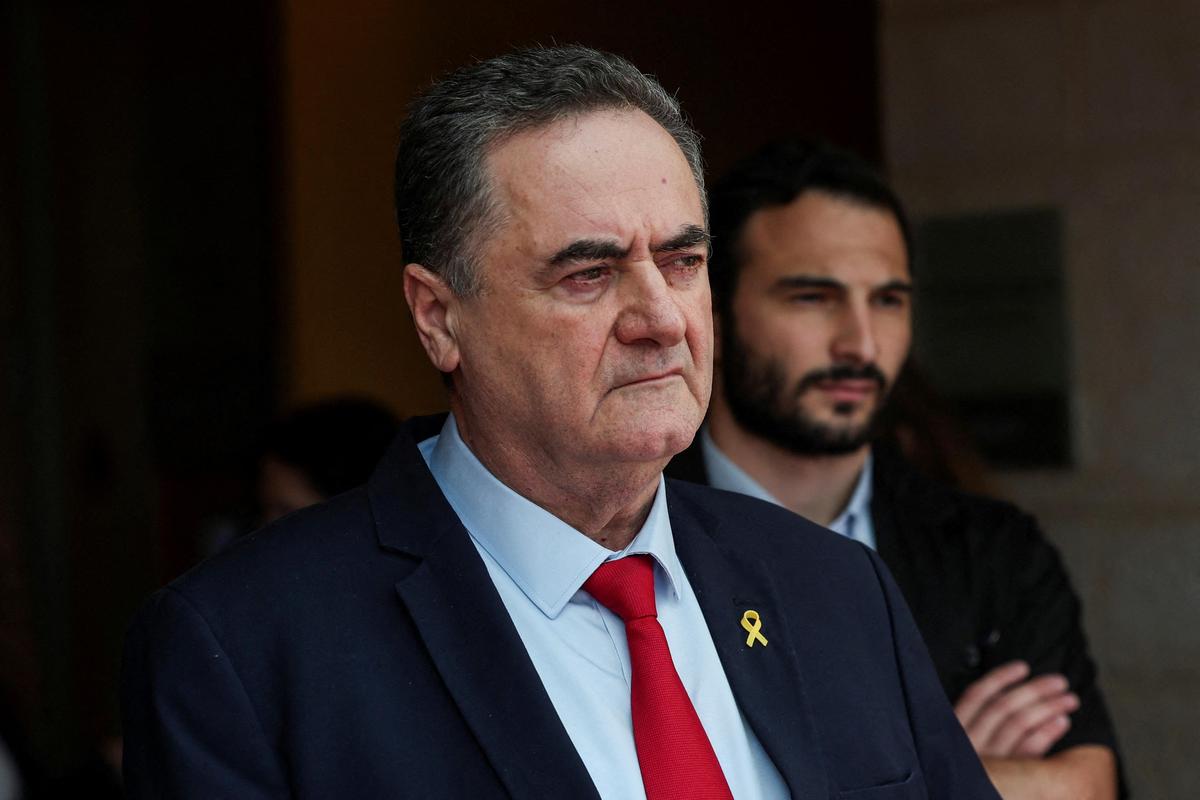
Israeli caretaker Defence Minister Israel Katz stated on Thursday, November 12, 2026, that the outgoing government does not require permission from the opposition to initiate new military operations. Writing on the platform X, Mr. Katz asserted that no legal authority or opposition approval is needed for the military to conduct strikes in any of its operational areas.
The declaration followed criticism from opposition leader Gadi Eisenkot, who urged caretaker Prime Minister Benjamin Netanyahu to exercise restraint. Mr. Eisenkot warned that the use of force in the absence of a "direct and immediate threat" could lead to "disastrous consequences for Israeli democracy and for citizens’ trust."
Avigdor Liberman, a member of Mr. Eisenkot’s political bloc, also publicly challenged the Prime Minister. Mr. Liberman stated that a caretaker government should not make decisions that might lead the nation into war without parliamentary oversight and the full consent of security agencies. In response, Mr. Netanyahu’s office accused Mr. Eisenkot of politicising national security matters.
To address the situation, Prime Minister Benjamin Netanyahu agreed to meet with Mr. Eisenkot on Thursday at the Prime Minister’s office for a security briefing. This meeting follows a public dispute regarding whether the outgoing government possesses the authority to resume conflict, particularly after Mr. Eisenkot accused the Prime Minister of deviating from protocol by refusing to provide briefings.
Key facts
- Caretaker Defence Minister Israel Katz affirmed the coalition's authority to conduct military strikes without opposition consent.
- Opposition leader Gadi Eisenkot and Prime Minister Benjamin Netanyahu scheduled a national security meeting for Thursday, November 12, 2026.
- Gadi Eisenkot, who is currently tasked with forming a new government, has until December 6 to do so, with a potential extension until December 20.
- Avigdor Liberman has been designated as the head of a parliamentary committee on foreign and defence affairs.
Why it matters
The dispute reflects a deepening political crisis following October's inconclusive elections, where neither the bloc led by Mr. Eisenkot nor the coalition led by Mr. Netanyahu secured a governing majority. The disagreement over war-making powers highlights the challenges facing the caretaker government as it navigates national security policy without a clear mandate or the full backing of the opposition.
Background
Since last year, Prime Minister Benjamin Netanyahu has twice conducted major bombing campaigns against Iran in coordination with the United States. While these actions were intended to hinder Iran's nuclear development, the current political climate remains volatile as election results have left the nation without a stable new government.
Source: The Hindu








Comments