


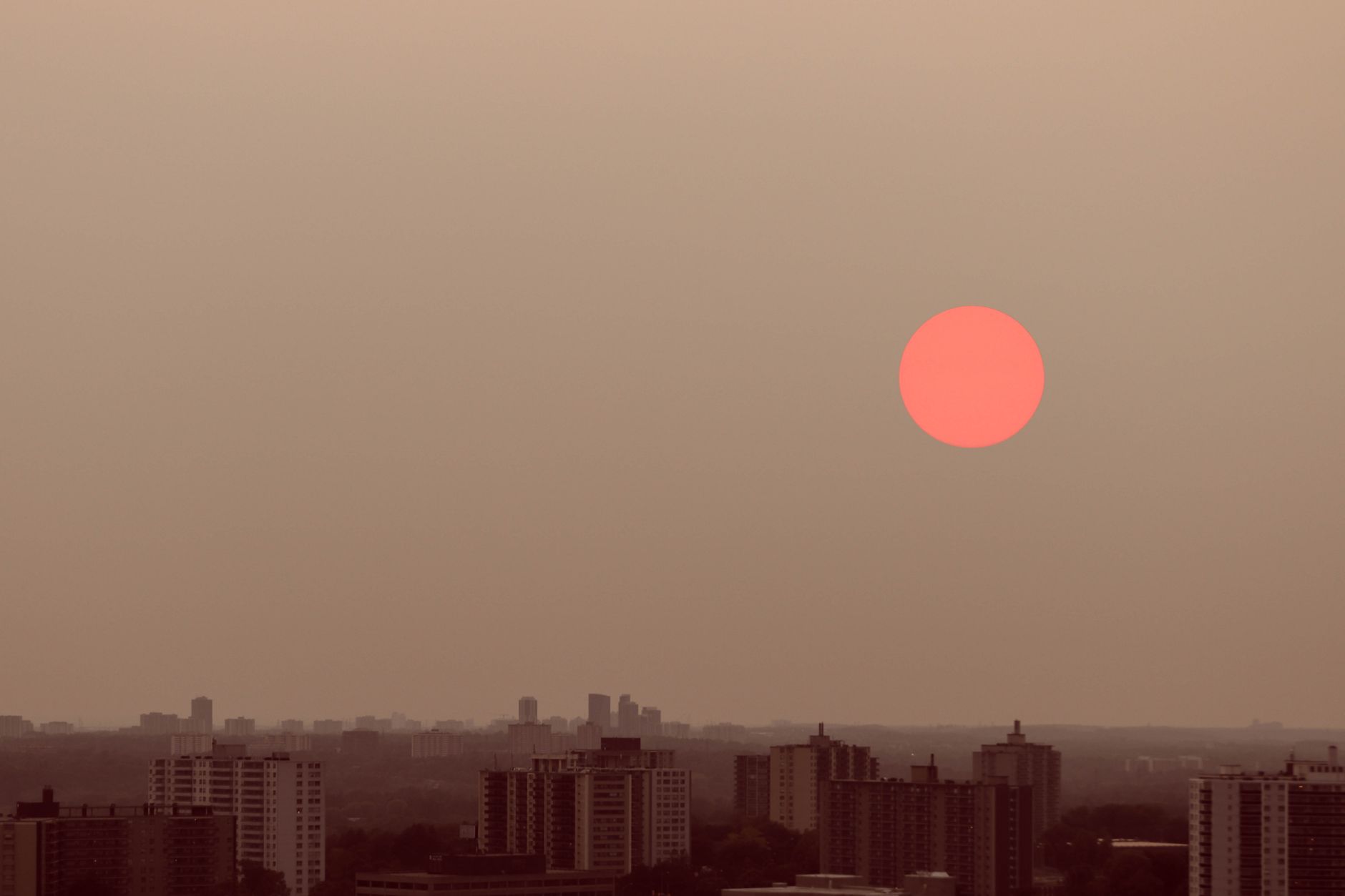
Delhi and the National Capital Region continue to face severe air quality challenges as a thick layer of smog settles over the capital. While festive activities, specifically the bursting of firecrackers, have contributed to recent spikes in pollution, experts note that the region's winter air crisis is the result of a complex interplay between various emission sources and unfavourable weather conditions.
An assessment by the Indian Institute of Tropical Meteorology (IITM), Pune, highlighted the immediate impact of Diwali celebrations on air quality. According to their data, firecrackers accounted for 71.1% of PM2.5 concentrations in Delhi between 1 am and 9 am on November 9. The contribution from firecrackers was recorded at 43.4% during the same morning hours on November 8, and 5.6% on November 7.
Beyond festive emissions, the region suffers from year-round pollution caused by vehicle exhaust, industrial activity, construction dust, and the burning of waste and biomass. Delhi's geographic location within the Indo-Gangetic Plain further complicates the issue, as the region becomes a repository for pollutants originating from multiple states.
Meteorological factors play a decisive role in why this pollution lingers during the winter months. As temperatures drop, wind speeds typically decline, reducing the movement and natural mixing of air. This process is further hampered by temperature inversion, a phenomenon where a layer of warm air acts as a lid over cooler air near the surface, trapping particulate matter and gases close to the ground.
Key facts
- IITM Pune reported that firecrackers contributed 71.1% of PM2.5 levels between 1 am and 9 am on November 9.
- Smog is a mixture of smoke and fog, consisting of harmful pollutants, whereas fog is composed of condensed water droplets.
- Temperature inversion traps pollutants near the ground by preventing the vertical movement of air.
- Delhi's recurring winter smog is attributed to vehicles, industrial emissions, road dust, and biomass burning.
- The Indo-Gangetic Plain's geography allows for the accumulation of pollutants from across neighbouring states.
Why it matters
The accumulation of pollutants poses significant health risks to residents in the capital. Because smog contains a mix of particulate matter like PM2.5 and PM10, alongside gases, it significantly reduces visibility and degrades air quality. These conditions can persist for several days when weather patterns prevent the dispersal of trapped air, often leading to hazardous health environments during the winter season.
Background
Pollution sources in the region remain consistent throughout the year, but their impact intensifies during winter because stronger winds and rising air currents—which help disperse pollutants in warmer months—are absent, causing hazardous substances to stagnate in the lower atmosphere.
Source: Livemint, Indian Express







Comments