


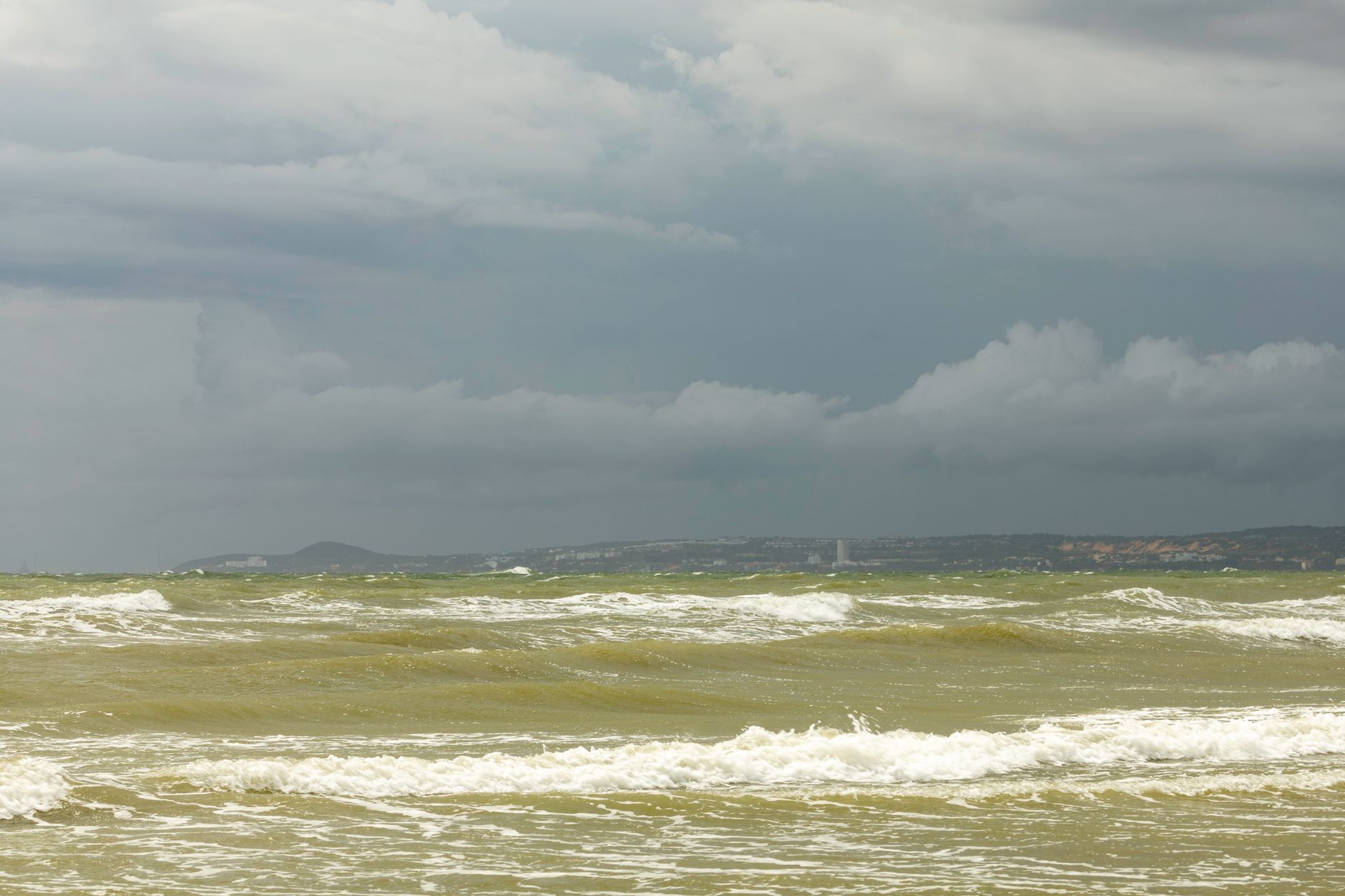
Hurricane Simon shifted its trajectory on Sunday, with current forecasts indicating the storm will remain off the coast of Mexico rather than making a direct landfall. Despite this change, the cyclone remains a dangerous Category 4 system on the Saffir-Simpson scale. Data collected by hurricane hunter aircraft suggests the storm is moving slowly, at approximately 11 kilometers per hour, and is expected to pass roughly 15 kilometers off the coast of Jalisco state.
Fabian Vazquez, director of Mexico’s meteorological service, cautioned that coastal communities remain at risk despite the altered path. He noted that the cyclone's intense cloud bands will continue to impact the region, bringing severe winds, heavy rainfall, and waves reaching up to nine meters. Local officials have emphasized that the storm's slow movement is a significant concern, as it allows the system to generate precipitation over a longer duration, heightening the risk to those in its path.
In the tourist hub of Puerto Vallarta, residents and visitors observed increasing cloud cover and light rain on Sunday. Businesses in the area prepared for the storm by boarding up windows, while military personnel were deployed to monitor the waterfront. Although some residents expressed concern over the unpredictable nature of the weather, others noted that conditions appeared milder than initially anticipated.
Meteorologists indicate that Simon is sustained by winds reaching 230 kilometers per hour. The current active Pacific hurricane season has been influenced by the El Niño phenomenon, which weakens wind shear and facilitates the intensification of such storms. Experts from Jalisco's civil protection agency continue to track the system closely, noting that because the storm has remained nearly stationary, its prolonged presence remains a threat to the affected coastal regions.








Comments