


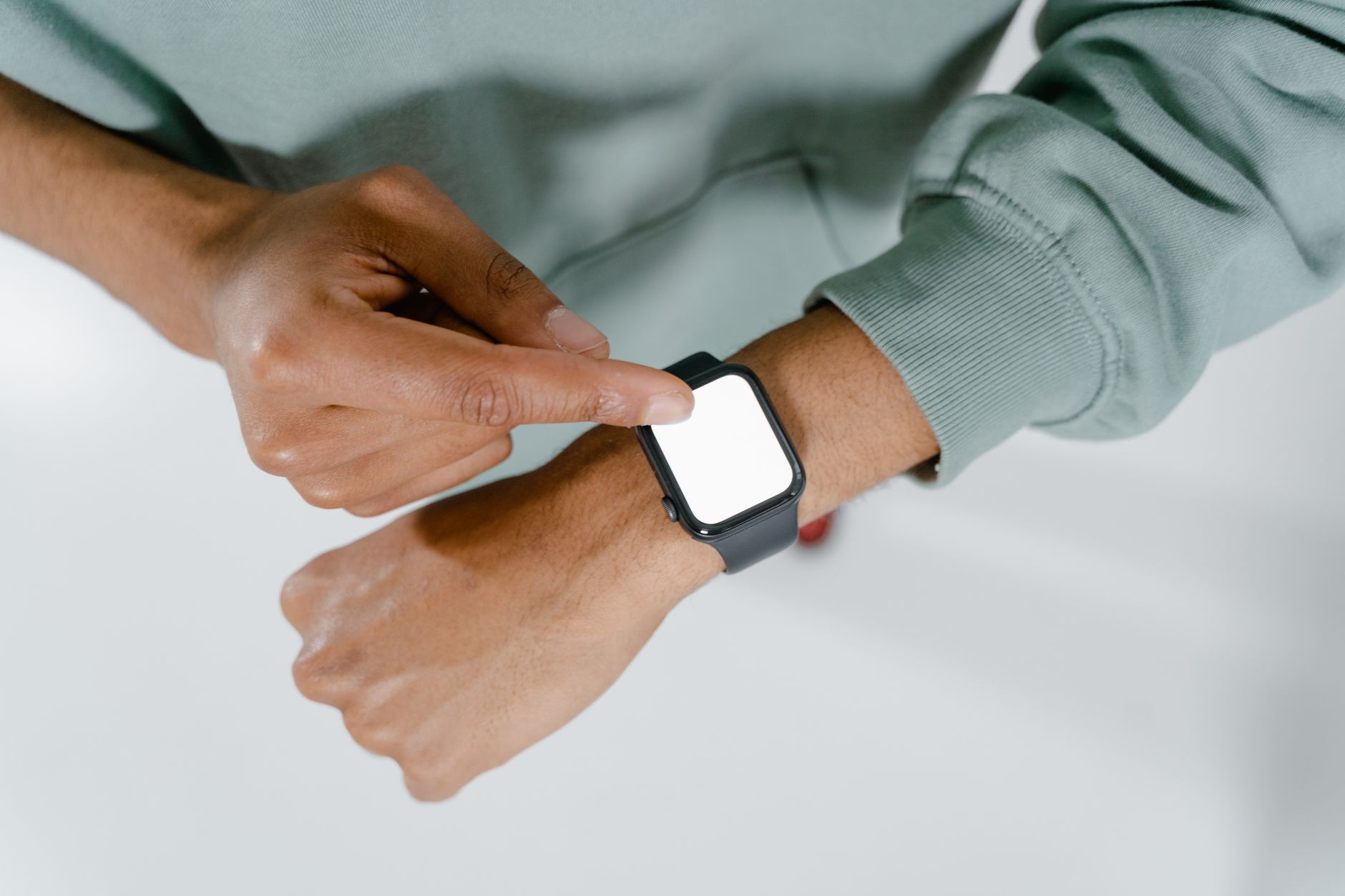
Zomato founder Deepinder Goyal has introduced a new wearable device named Temple, which claims to monitor cerebral blood flow through a proprietary feature known as BrainFlow. Intended to track how activities like exercise, sleep, and meditation influence circulation, the device has triggered a debate among medical professionals regarding the limits of wearable health technology.
Hepatologist Dr. Cyriac Abby Philips has questioned the device’s scientific claims, noting the absence of published clinical trials. Critics argue that while the device may detect changes in blood volume using photoplethysmography—an optical technology similar to that used in smartwatches—it lacks the capacity to distinguish between blood circulating in the scalp and blood reaching the brain.
Dr. Vinit Suri, a senior neurologist at Indraprastha Apollo Hospitals in Delhi, explained that the brain’s blood supply is primarily provided by the internal carotid and vertebral arteries. He noted that the Temple device appears to measure blood flow in the external carotid artery, which supplies structures outside the skull. “It is not a medical device, not validated, it is a fitness toy device,” Dr. Suri said, adding that a single peripheral reading cannot determine the adequacy of brain function.
Dr. Neeraj Jain, professor and head of neurology at KEM Hospital, Mumbai, echoed these concerns, stating that distinguishing between cerebral and superficial scalp circulation remains a significant technical challenge. Both experts emphasized that even if the device shows similar trends to transcranial Doppler ultrasound in some cases, it does not confirm that the wearable is accurately measuring intracranial circulation. They maintained that clinical assessments for brain health, such as stroke risk, require comprehensive medical evaluation rather than data from unvalidated sensors.
Key facts
- The Temple device uses photoplethysmography to track blood volume changes.
- Dr. Vinit Suri states the device measures the external carotid artery rather than the brain’s primary internal blood supply.
- One study on the device, involving 23 healthy adults, reported correlations of 0.80 compared to transcranial Doppler ultrasound.
- Medical experts stress the need for randomised controlled trials to validate the technology.
- The device does not claim to predict strokes, though experts warn it cannot assess overall brain health.
Why it matters
Experts warn that consumers should not rely on unvalidated wearables for medical diagnostics. Standard medical evaluation and screening for vascular risk factors, including blood pressure, cholesterol, and heart rhythm, remain essential for assessing brain health and stroke risk, as these cannot be determined by a single blood-flow index.
Background
The device’s development is linked to the "Gravity Aging Hypothesis," a theory suggesting that gravity pulls blood downwards, impacting how the brain functions over time.
Source: Indian Express








Comments