


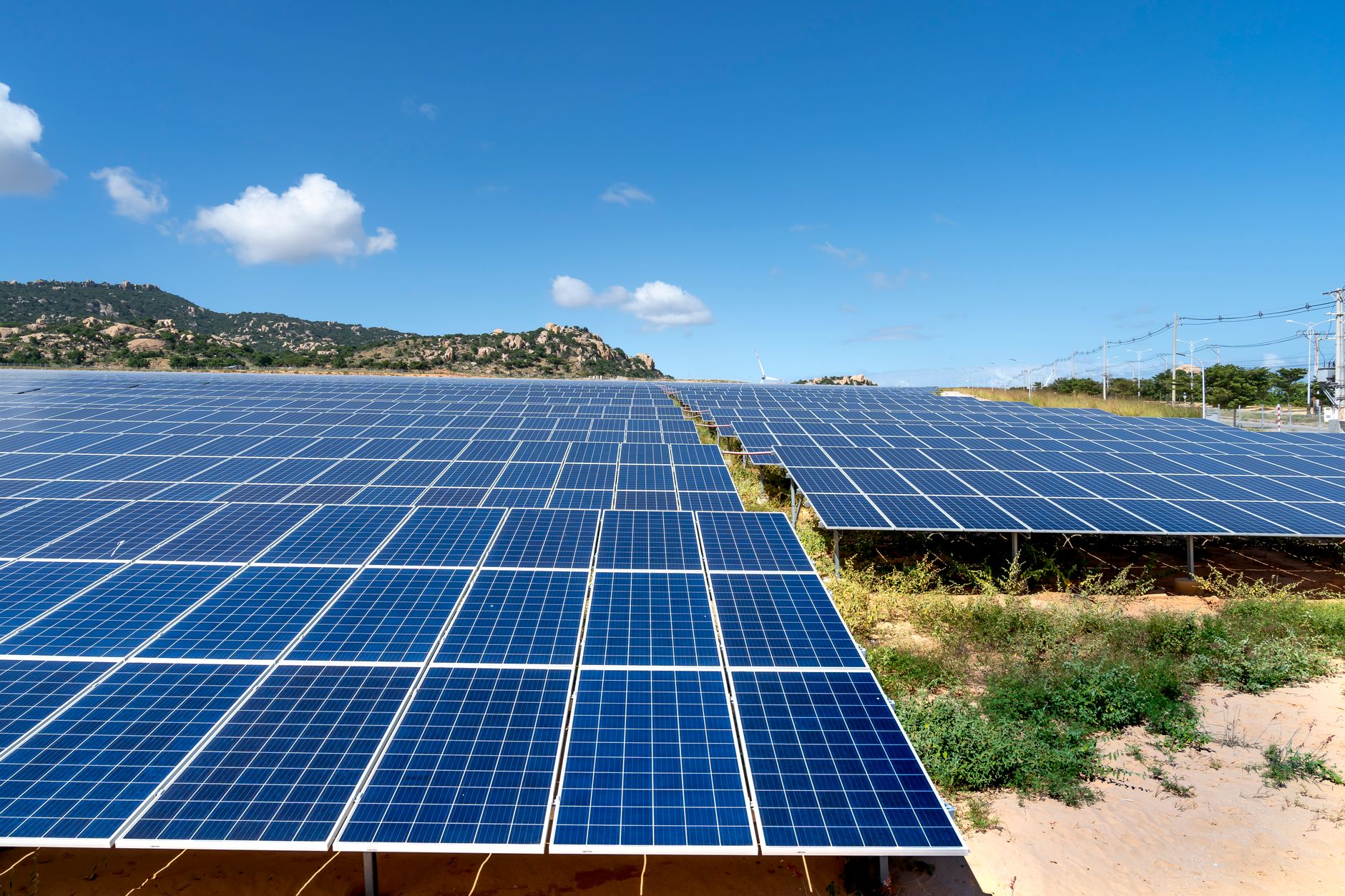
A recent report by the International Energy Agency (IEA) has revealed that India’s strategic expansion of renewable energy capacity over the past 15 years has resulted in more than $100 billion in savings on coal and natural gas import costs. With a current capacity of 300GW, India has established itself as the second-fastest-growing market for renewable energy globally, contributing significantly to national energy security.
Between March 2014 and September 2026, India added 168GW of solar power and 38GW of wind capacity, while bioenergy installations reached nearly 12GW. The IEA report, titled the India Renewable Energy Market Report 2026, estimated that without these additions since 2010, the nation’s coal imports in 2025 would have been approximately 110 million tonnes higher.
The growth in clean energy has been driven by large-scale plants, corporate procurement, and domestic manufacturing. The IEA specifically credited government initiatives such as the PM Surya Ghar Muft Bijli Yojana for accelerating rooftop solar adoption, and the PM-KUSUM scheme for supporting solar-powered irrigation pumps and farm feeders. In 2025, India achieved a significant milestone by sourcing 50% of its installed electricity capacity from non-fossil fuel sources, meeting its target five years ahead of schedule.
Looking ahead, the IEA anticipates that India’s renewable energy capacity will reach 530GW by 2030. Assuming international fuel prices remain near 2024-25 averages, the agency projects that cumulative savings on coal and natural gas imports could climb to $240 billion by 2030. Annual savings are expected to hit $35 billion, a figure that exceeds India’s total spending on non-coking coal and natural gas imports during the 2025 fiscal year.
Key facts
- India saved over $100 billion in coal and natural gas import costs over the last 15 years.
- Renewable energy capacity in India currently stands at 300GW.
- Cumulative savings on imports are projected to reach $240 billion by 2030.
- India achieved its 50% non-fossil fuel capacity target in 2025, five years early.
- Coal imports in 2025 were estimated to be 110 million tonnes lower due to renewable capacity.
Why it matters
The IEA highlights that India’s success in reducing renewable energy costs and attracting investment provides a scalable model for other emerging economies. By accelerating the shift away from imported fossil fuels, India is effectively insulating its economy from global price volatility while advancing its energy security goals.
Source: Times of India








Comments