


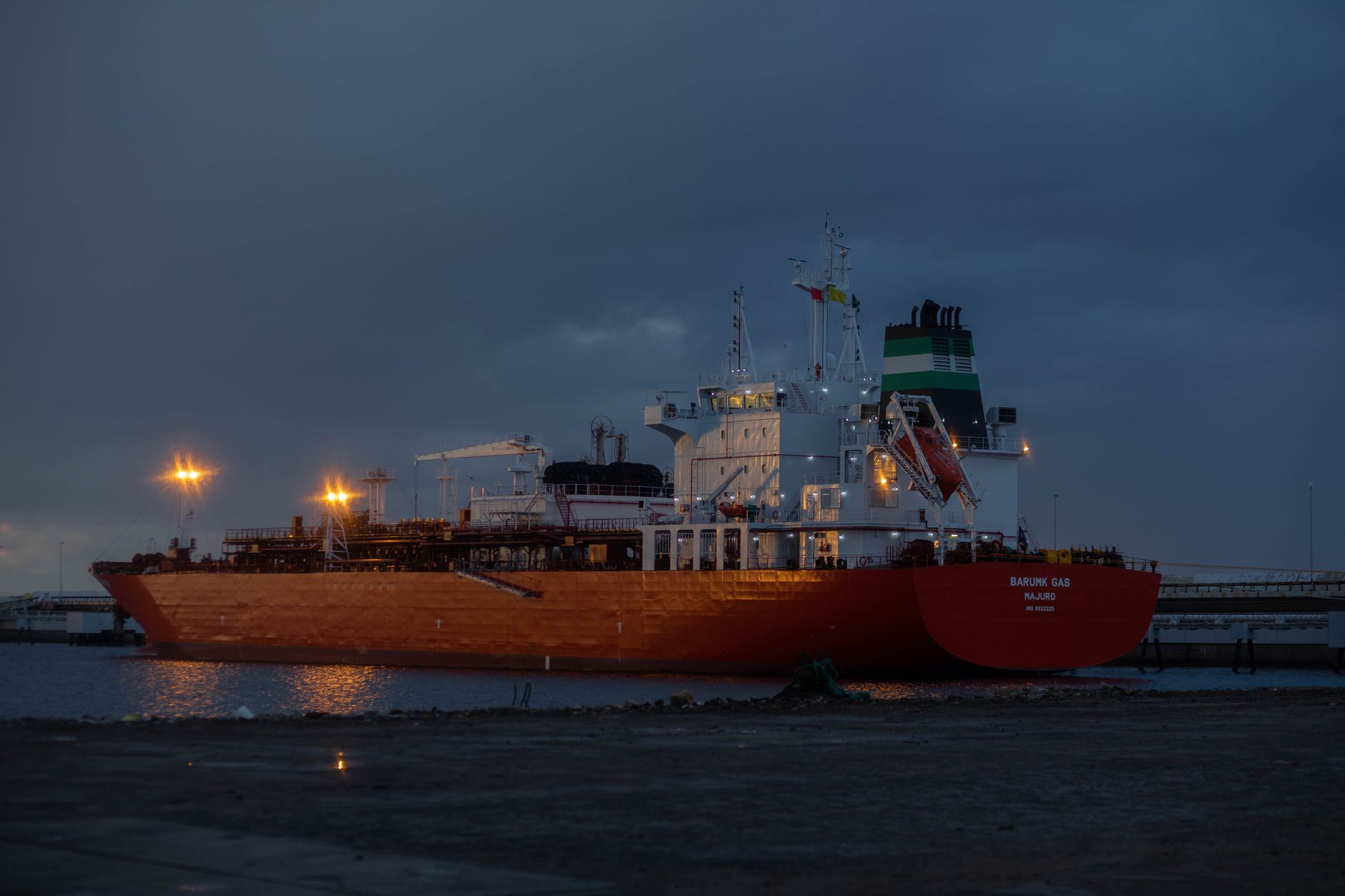
Oil tankers continue to burn in the Strait of Hormuz, with reports of oil spills reaching coastlines and ongoing drone and missile strikes targeting infrastructure across the region. Despite market expectations of de-escalation, maritime security remains volatile as vessels face frequent attacks.
The United Kingdom Maritime Trade Operations agency reported an incident involving a tanker in the Strait of Hormuz on Wednesday. Separately, Iran stated that an oil tanker caught fire after striking a naval mine. Additionally, social media footage verified by Reuters showed a Navig8 tanker on fire near the coast of Oman on Sunday. Iran claimed responsibility for targeting three tankers, alleging they used unauthorized routes through the strait. Satellite imagery from the European Union’s Copernicus Sentinel-2 confirmed a large cloud of black smoke at the location mentioned in the reports.
US forces are continuing to enforce a naval blockade of Iranian ports. According to the US Central Command, a US military aircraft fired on and disabled a St Kitts-flagged cargo vessel on Saturday after the ship attempted to depart regional waters following a visit to an Iranian port.
Attacks have also extended to energy and civilian infrastructure. On November 8, missile strikes claimed by Iran-backed Houthis hit an office building belonging to Saudi Aramco in Riyadh. The Saudi Energy Ministry confirmed that debris from the attempted attack caused limited damage to the facility, though there were no injuries or fatalities reported.
Environmental concerns are mounting as oil leaks from damaged vessels reach shores. Verified video footage from Monday showed oil washing up on the coast of Oman, and satellite imagery has identified spills off the coasts of both Oman and the United Arab Emirates.
Key facts
- At least 10 ships were hit in the first 10 days of November, following 37 attacks in October.
- The International Maritime Organization reports 133 incidents, mostly attacks, in the region since late February.
- At least 25 seafarers have been killed since the conflict began in February.
- Navig8 is majority-owned by ADNOC Logistics & Services.
Why it matters
The persistent attacks are causing significant environmental damage and threatening global energy transport routes. The continued strikes on tankers and critical energy infrastructure indicate that regional conflict remains high, despite fluctuations in oil prices that had previously suggested a potential cooling of tensions.
Background
The conflict in the region has been ongoing since late February, leading to widespread disruption in maritime security and targeting of civilian and energy facilities.
Source: Hindustan Times








Comments