


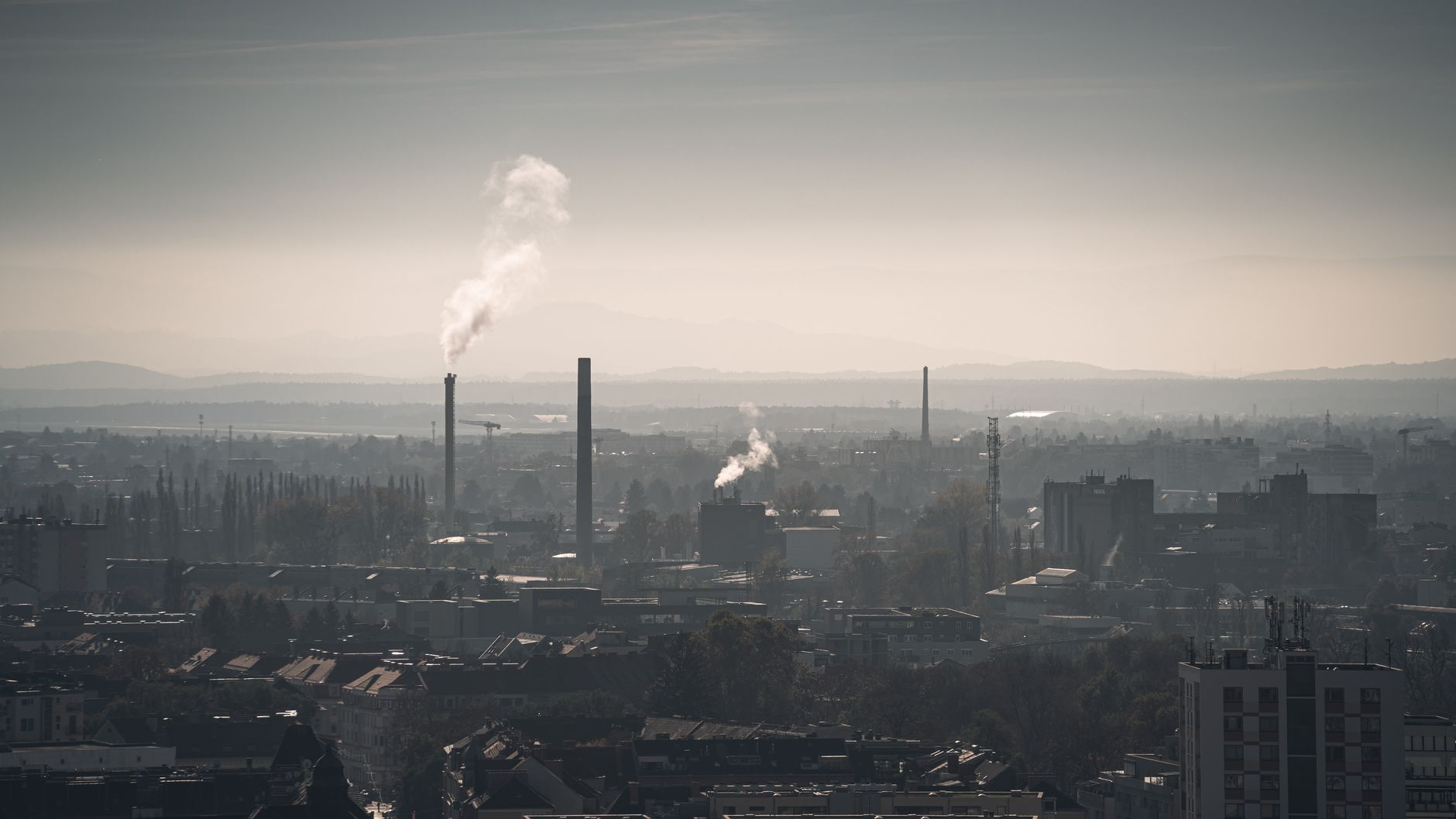
Pakistan has officially blamed the surge in hazardous air quality across its northern regions on pollutants drifting from neighbouring India. The blame follows large-scale firecracker use during the Diwali festival over the weekend, which officials claim contributed to a thick blanket of toxic smog.
Lahore, the capital of Pakistan’s Punjab province, topped the global ranking for air pollution for two consecutive days this week, according to the Swiss monitoring group IQAir. On Tuesday, the city recorded an air quality index (AQI) of 263, a level classified as "very unhealthy." Data from IQAir indicated that concentrations of PM2.5—fine particulate matter capable of entering human lungs—were 37.2 times higher than the annual limit recommended by the World Health Organization.
Marriyum Aurangzeb, the Environment Protection Minister for Pakistani Punjab, stated that light wind patterns and air movement from India carried pollutants into the region in the wake of Diwali. While acknowledging the severity of the smog, the minister noted that air quality is expected to improve as weather conditions shift and wind directions change.
India's Ministry of External Affairs did not provide an immediate response to requests for comment. Meanwhile, Indian government data from the capital, Delhi, which ranked as the world’s second-most polluted city on Tuesday with an AQI of 188, showed that firecrackers accounted for nearly 55% of PM2.5 levels the day after the festival.
Key facts
- Lahore recorded an air quality index of 263, the highest among major cities, according to IQAir.
- PM2.5 levels in Lahore reached 37.2 times the annual World Health Organization air quality guideline.
- Delhi recorded an AQI of 188 on Tuesday, placing it as the second-most polluted major city globally.
- Firecrackers were responsible for approximately 55% of PM2.5 in Delhi on the day following Diwali.
- Official reports indicate a sevenfold increase in farm fires in Indian Punjab on Sunday.
Why it matters
The persistence of winter smog remains a recurring point of contention between India and Pakistan. Beyond firecrackers, authorities on both sides of the border identify vehicle emissions, construction dust, and the seasonal burning of crop waste as primary drivers of poor air quality during the winter months.
Background
In 2024, Pakistan previously linked its poor air quality to stubble burning in the Indian state of Punjab, though Indian meteorological officials disputed that claim, stating that wind direction at the time suggested airflow from Pakistan into India.
Source: Economic Times








Comments