


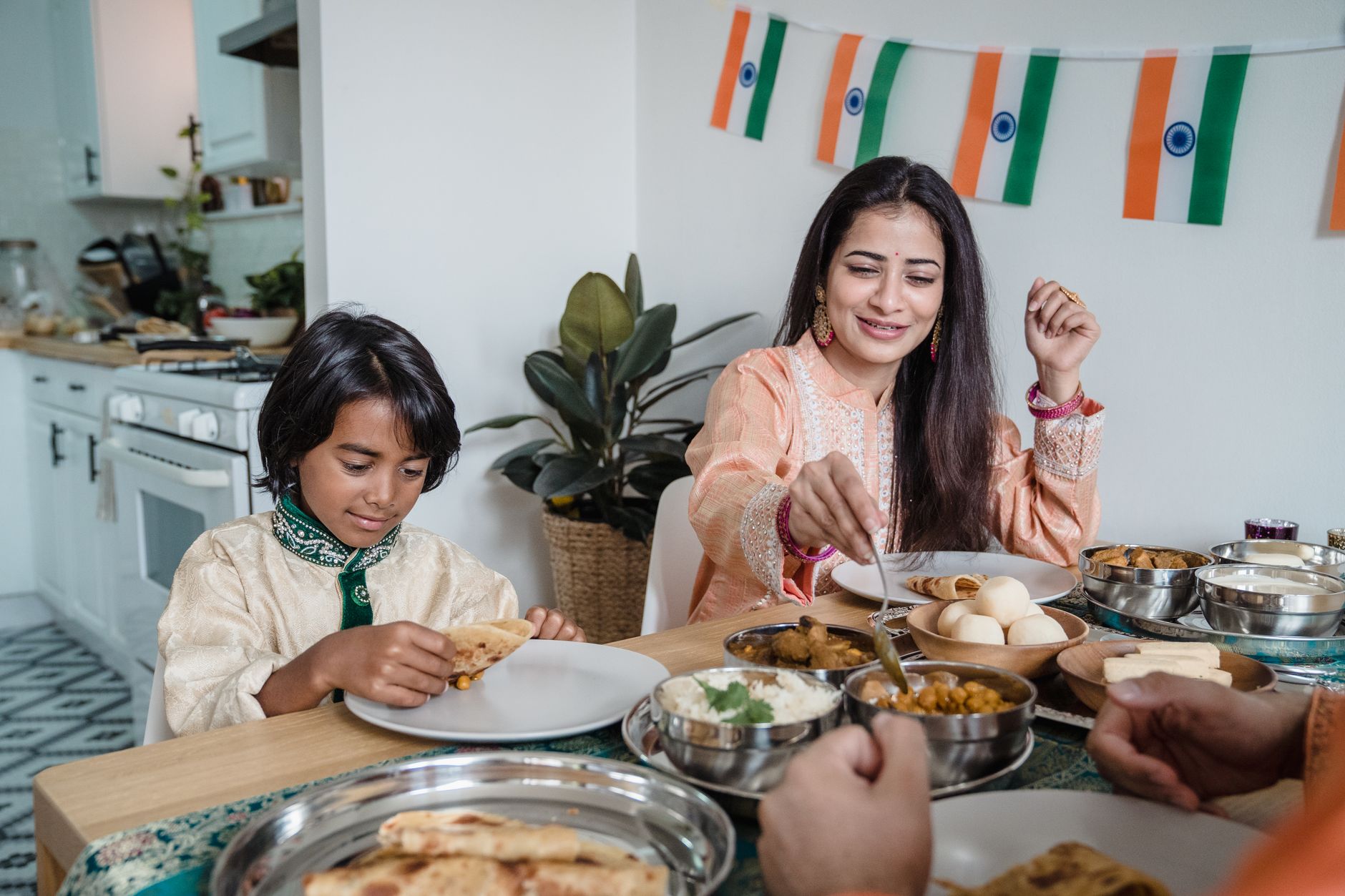
Festivities continue across India as families observe the traditional occasions of Bhai Dooj and the Gujarati New Year. These celebrations, which follow the conclusion of Diwali, are marked by prayers, gatherings, and the exchange of seasonal greetings among friends and relatives.
Bhai Dooj, also referred to as Bhai Tika, Bhai Phonta, and Yama Dwitiya, is observed on the second day of the Shukla Paksha in the Hindu month of Kartik. The festival is dedicated to the relationship between brothers and sisters. During the rituals, sisters apply a tilak on their brothers' foreheads and perform aarti, offering prayers for their health, happiness, and longevity. In return, brothers provide gifts and reiterate their commitment to support and protect their siblings.
Separately, the Gujarati community is celebrating the Gujarati New Year, widely known as Bestu Varas or Nutan Varsh. This year, the festival marks the beginning of Vikram Samvat 2083, according to the traditional Gujarati calendar. Observed on Kartik Shukla Pratipada, the first day of the bright fortnight of the month of Kartik, the day is characterized by visits to temples, home decorations, and the exchange of traditional greetings such as ‘Saal Mubarak’ and ‘Nutan Varshabhinandan’.
Key facts
- Bhai Dooj commemorates the sibling bond through the application of a ceremonial tilak and the performance of aarti.
- The Gujarati New Year, Bestu Varas, signifies the commencement of the Vikram Samvat 2083 calendar year.
- Bhai Dooj is celebrated on the second day of the Shukla Paksha in the month of Kartik.
- Bestu Varas falls on Kartik Shukla Pratipada, following the conclusion of Diwali.
- Traditional greetings exchanged for the Gujarati New Year include 'Saal Mubarak' and 'Nutan Varshabhinandan'.
Why it matters
These festivals serve as a significant time for families to reconnect, share meals, and express gratitude. For many, the transition into the new Vikram Samvat year is viewed as an opportunity for fresh beginnings and optimism, while Bhai Dooj reinforces lifelong emotional bonds between siblings through symbolic gestures of care and protection.
Source: Indian Express, News18








Comments