


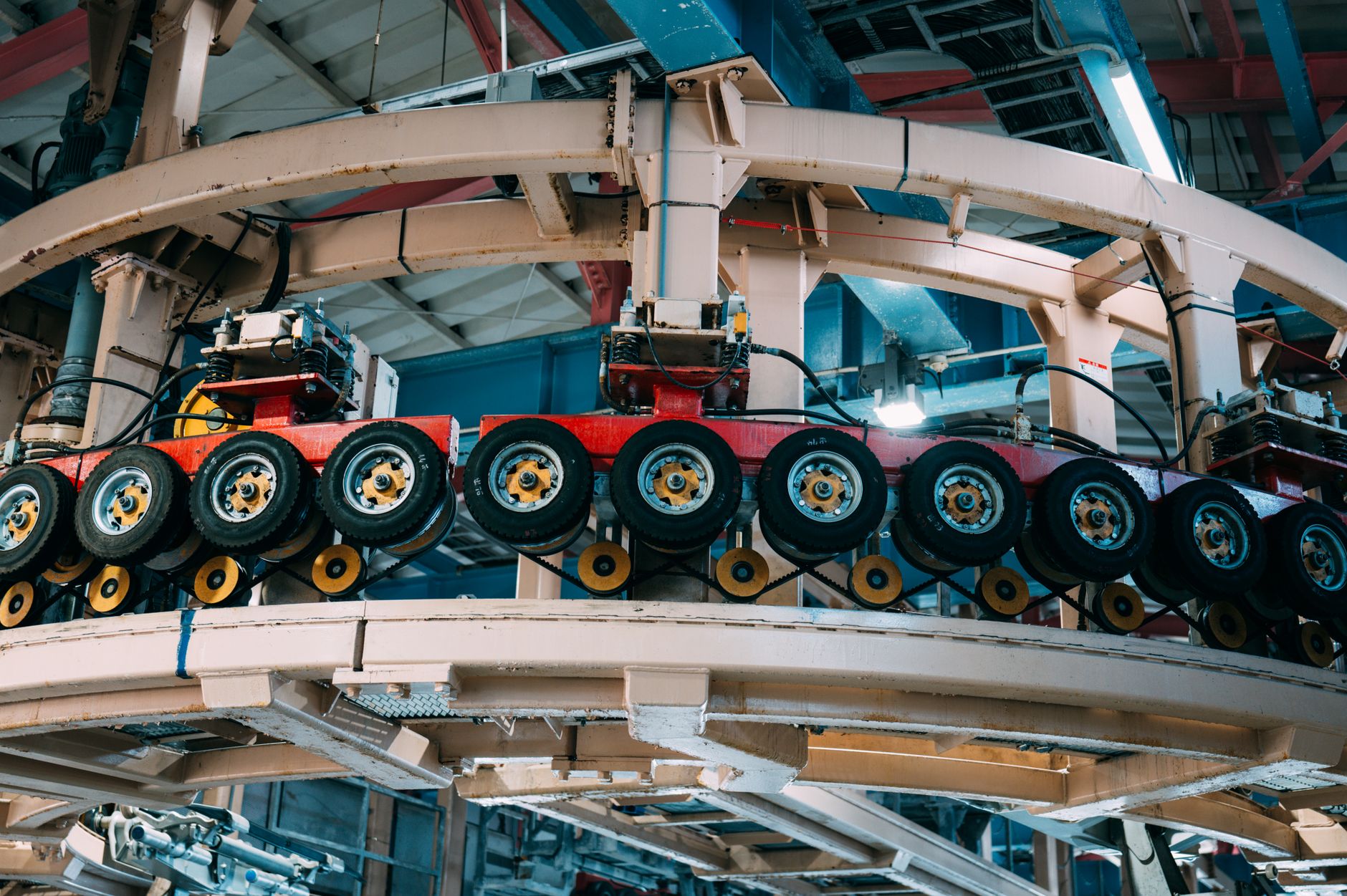
Tyre manufacturer MRF Ltd reported a 22.8% decline in net profit for the second quarter ending September, citing significant pressure from rising raw material costs. The Chennai-based firm posted a consolidated net profit of Rs 417.19 crore, a decrease from the Rs 540.13 crore recorded during the same period last year, according to an exchange filing.
Despite the dip in profitability, the company witnessed double-digit growth in its top-line performance. Revenue from operations climbed 17.4% to Rs 8,660.19 crore, compared to Rs 7,378.72 crore in the corresponding quarter of the previous year. MRF stated that it managed to capitalise on consistent demand for its products across both original equipment and replacement market segments.
The financial results, however, showed a sharp increase in total expenditure, which rose by 21.8% to Rs 8,269.77 crore. Specifically, the cost of raw materials surged by 43.2% to Rs 6,552.57 crore during the July-September quarter. The company noted that these escalating costs, influenced by global uncertainties, adversely affected margins throughout the quarter, though price adjustments and internal cost-saving measures provided some mitigation.
Looking ahead, the tyre major expressed caution regarding the current market environment. The company anticipates continued volatility within commodity markets, with both raw material and logistics expenses expected to remain at elevated levels. MRF indicated that it will continue implementing targeted measures to address these ongoing operational challenges.
Key facts
- Net profit for the July-September quarter fell to Rs 417.19 crore from Rs 540.13 crore in the year-ago period.
- Revenue from operations reached Rs 8,660.19 crore, marking a 17.4% increase over the previous year.
- Total expenses increased 21.8% to Rs 8,269.77 crore, with raw material costs alone rising by 43.2%.
- The company declared an interim dividend of Rs 3 per share.
- November 17 is set as the record date for the dividend, with payments starting on or after December 1.
Why it matters
The rise in operational expenses and raw material costs highlights broader challenges faced by the automotive component sector amid global supply chain and commodity market volatility. The firm's ability to maintain strong sales growth while navigating these cost pressures remains a focal point for stakeholders as the company prepares to manage sustained market fluctuations.
Source: Economic Times








Comments