


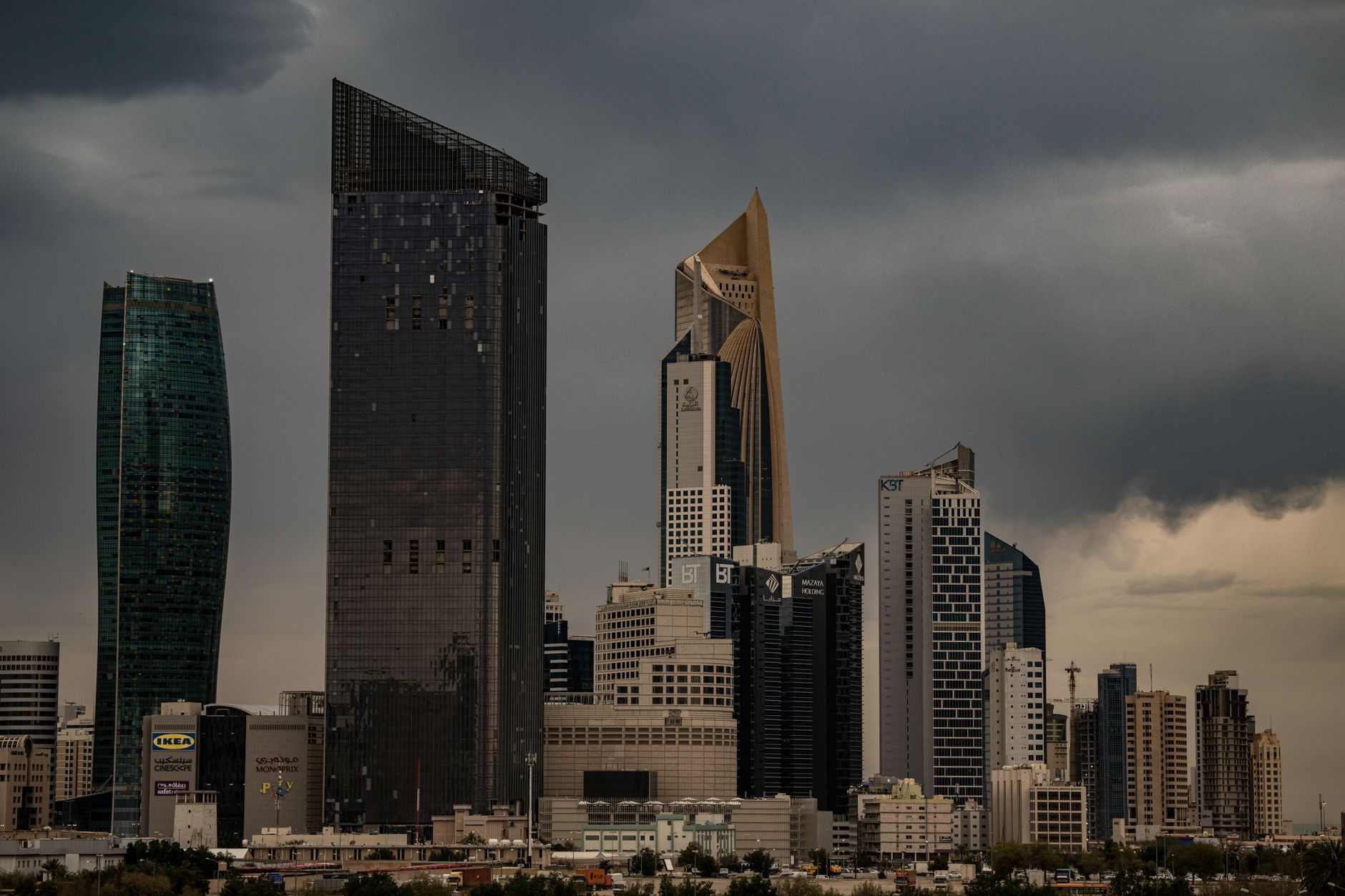
The six member states of the Gulf Cooperation Council (GCC) have approved the creation of an advanced military command headquarters in Kuwait. The decision, which includes a plan to deploy unspecified "appropriate" military forces to the location, was confirmed by the bloc’s secretary-general following the 23rd meeting of the GCC’s Joint Defence Council held in Bahrain.
While officials have confirmed the project, they have not yet disclosed the specific location of the facility, the total number of troops to be stationed there, or the precise nature of the military units involved. Experts suggest that placing a command post in Kuwait, at the northern end of the Gulf, establishes a permanent presence in a strategic area to better manage potential security threats from across the border in Iraq and elsewhere.
The Unified Military Command was originally established in 2013 to centralize joint operations and strengthen the collective defence of member states, which include Bahrain, Kuwait, Oman, Qatar, Saudi Arabia, and the United Arab Emirates. A permanent headquarters for the command is already operating in Riyadh, having opened in 2021. The latest initiative is viewed as a move toward greater regional deterrence and unified military structure.
Key facts
- The decision was finalized during the 23rd GCC Joint Defence Council meeting in Bahrain on November 10, 2026.
- The GCC comprises six nations: Bahrain, Kuwait, Oman, Qatar, Saudi Arabia, and the UAE.
- The Unified Military Command was first formed in December 2013 at a summit in Kuwait.
- A primary existing headquarters for the Unified Military Command has been located in Riyadh since 2021.
Why it matters
The move follows a period of regional instability, during which Gulf nations faced repeated missile and drone attacks following the outbreak of the war between the United States, Israel, and Iran on February 28, 2026. These hostilities have disrupted regional air travel, threatened maritime shipping, and created significant concerns regarding the security of vital oil and gas exports.
Regional experts note that the new command structure is intended to reassure member states and enhance their ability to respond to diverse security scenarios. The establishment of this forward base is considered part of a broader, long-term strategy for the bloc to develop independent deterrent capabilities in a shifting security environment.
Background
The GCC countries maintain a long-standing security architecture, with many states hosting large-scale United States military installations. Regional defence efforts have also historically relied on the Peninsula Shield Force, a joint military group that has operated for several decades.
Source: The Hindu, Al Jazeera








Comments