


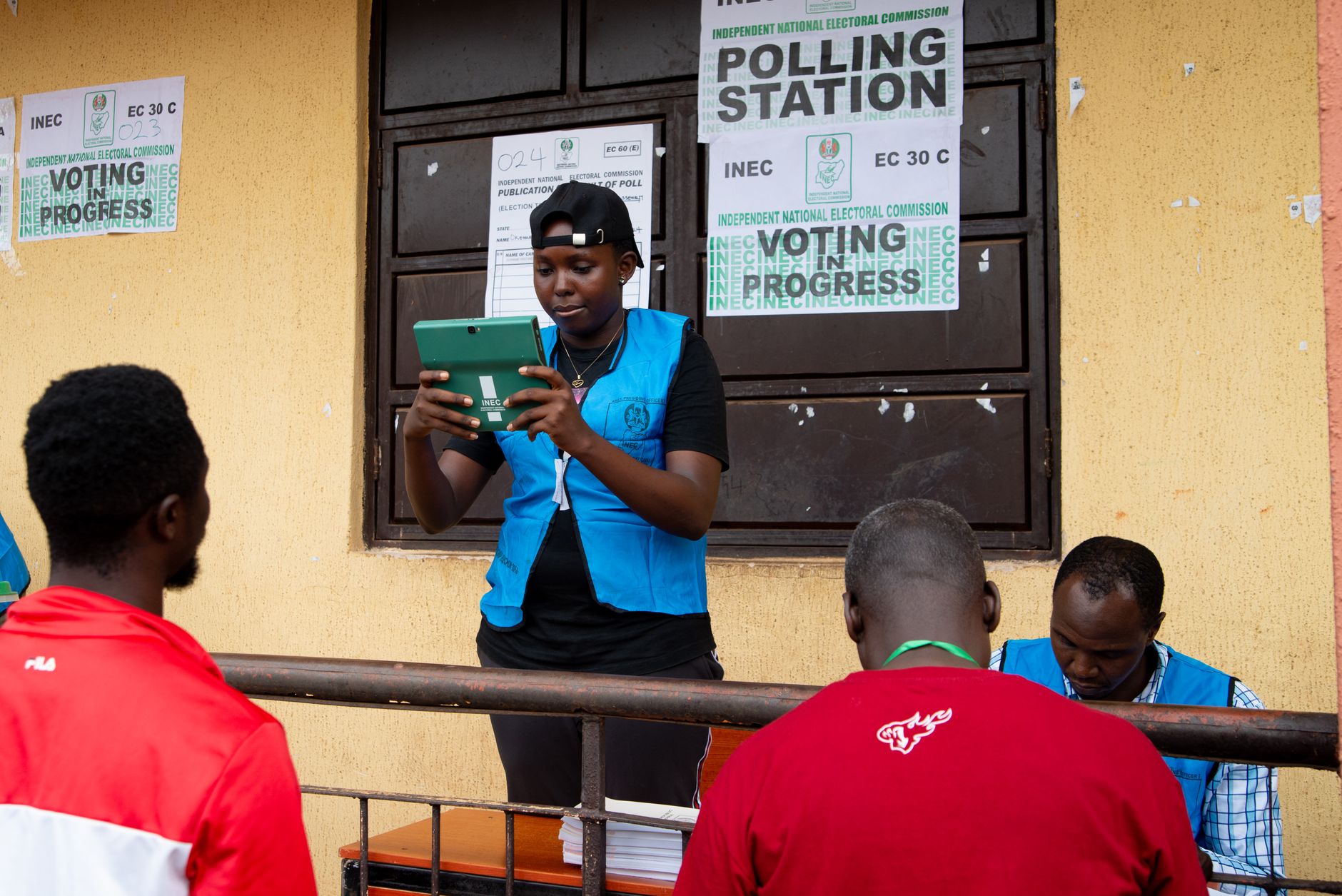
A fresh controversy has emerged in Karnataka concerning the integrity of the state’s electoral rolls, following the recent Special Intensive Revision (SIR) process. The Karnataka Rajya Muslim Okkoota (KRMO) has formally raised alarms regarding the scale and systematic nature of voter deletions observed during the exercise. The organisation has specifically pointed to a pattern of removals in constituencies with significant Muslim populations, leading to widespread concern among stakeholders and a demand for higher-level accountability.
The concerns raised by the KRMO are anchored in an analysis of booth-level data provided by the Election Commission of India. This analysis, conducted by the political research consultancy Sankalp, highlights a startling trend in electoral deletions. According to the data presented by the group, approximately 27.59% of voters were removed from the rolls across ten specific Assembly constituencies. Notably, all ten of these constituencies are represented by Muslim MLAs, a demographic overlap that the KRMO asserts warrants a thorough and transparent investigation.
In response to these findings, the KRMO has officially demanded a judicial inquiry into the entire revision process. The federation argues that the sheer volume of deletions in these selected segments suggests an anomaly that cannot be dismissed as routine administrative work. By calling for a formal, independent probe, the group seeks to determine whether the high percentage of removals was a result of procedural irregularities, technical errors, or a targeted effort to disenfranchise specific voter demographics.
The Special Intensive Revision of electoral rolls is a standard periodic exercise conducted by the Election Commission to ensure the accuracy and currency of the voter list. It typically involves the addition of new eligible voters, the correction of errors, and the removal of entries for individuals who have moved, passed away, or are otherwise ineligible. However, the KRMO’s intervention underscores the sensitivity of these administrative tasks when they occur in politically significant or demographically distinct areas.
This is not the first time that concerns regarding electoral rolls have surfaced in the Indian political context. Periodic revisions are frequently met with scrutiny from various political parties and advocacy groups, as the inclusion or exclusion of voters can have direct implications for electoral outcomes. In this instance, the specific focus on constituencies represented by Muslim MLAs has brought the issue of electoral roll management into the broader public discourse regarding social equity and democratic participation.
As of now, the controversy remains a focal point for the KRMO, which continues to advocate for the verification of the booth-level data against the actual demographic shifts in the affected regions. The reliance on data provided by an external research consultancy suggests that the group is attempting to bring technical evidence to the forefront of their demands. By highlighting a specific, quantified percentage of deletions, the organisation hopes to establish a clear case for official intervention.
What happens next remains to be seen, as the demand for a judicial inquiry puts pressure on the relevant authorities to clarify the methodology and results of the latest revision. Observers are now waiting to see if the Election Commission or the state government will provide a detailed breakdown of the deletions or address the specific allegations raised by the federation. The outcome of this dispute will likely influence future dialogues regarding the transparency and oversight of electoral processes in the state, particularly regarding the handling of sensitive voter lists in diverse constituencies.








Comments