


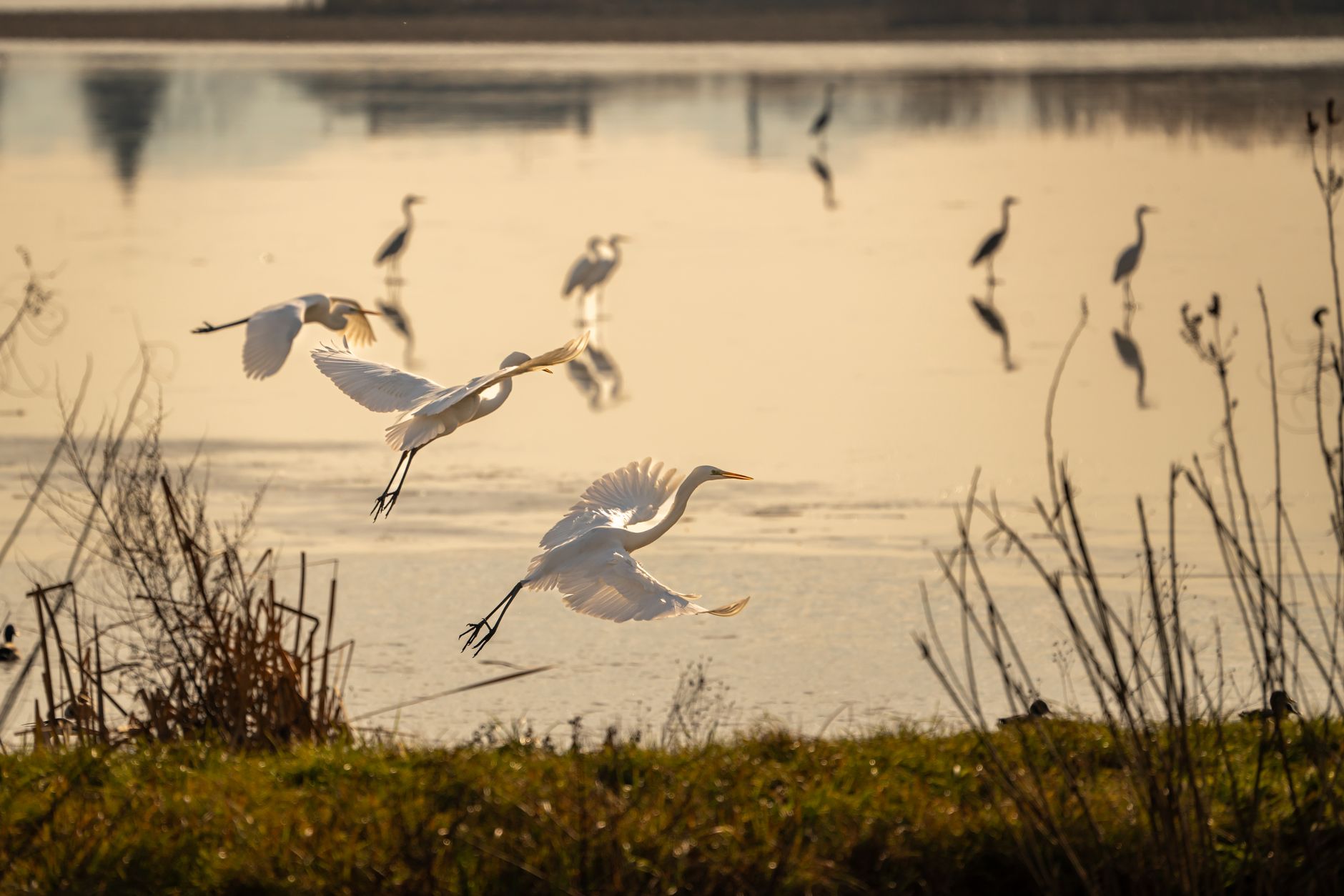
For over two decades, more than 10 villages situated near the Vellode Bird Sanctuary in Tamil Nadu's Erode district have maintained a unique tradition during Diwali. Eschewing the widespread practice of bursting firecrackers, residents in these communities have opted for a quieter celebration to ensure the safety and tranquility of the migratory birds that visit the sanctuary each year. This initiative, which recently marked its 21st consecutive year, highlights a grassroots commitment to wildlife conservation.
The affected villages include Vadamugam Vellode, Sellappampalayam, Pungambadi, Mettupalayam, Ellapalayam, Semmandampalayam, Karukkankattu Valasu, Koothampalayam, Vadagalpudur, and Kalarpalayam. According to reports, local children have voluntarily embraced this change, with many opting for sparklers rather than loud explosives. Families continue to observe the festival by wearing new clothes and preparing traditional festive food, ensuring that the spirit of Diwali remains intact while prioritizing the local ecosystem.
The Vellode Bird Sanctuary, located approximately 12 kilometers from Erode, serves as a critical wetland habitat. Established as a protected area under the Wildlife (Protection) Act, 1972, following a government order in February 2000, the sanctuary covers 77.185 hectares. It is centered around a freshwater lake, known locally as Periyakulam, which acts as a vital stopover for various bird species. The sanctuary is part of the Central Asian Flyway and has recorded 148 different bird species, supporting a population that exceeds 20,000 waterbirds at various times.
The site attracts migratory birds from as far away as Australia, Sri Lanka, Nigeria, and the Himalayan region. Among the diverse species documented at the sanctuary are the bar-headed goose, black-tailed godwit, Eurasian spoonbill, spot-billed pelican, western marsh harrier, and blue-tailed bee-eater. The lake provides an essential refuge for these birds and serves as a vital water source for the agricultural fields in the surrounding areas, sustained by rainfall and the Lower Bhavani Project canal system.
Community leaders and environmental observers point to the initiative as a significant example of how local populations can directly influence conservation efforts. By minimizing the sudden flashes and loud noises associated with traditional Diwali celebrations, these villages prevent unnecessary stress to the birds that rely on the sanctuary for resting and feeding. The collective decision of the villagers is seen as a deliberate act to protect the sanctuary's status as a haven for both resident and migratory waterbirds, including herons, egrets, ibises, storks, and cormorants.
Beyond its ecological value, the sanctuary has become an important destination for birdwatchers. The regional proximity to Erode, approximately 12 kilometers away, and accessibility via the Erode–Chennimalai main road, makes it a frequent site for nature enthusiasts. While the tradition of a quiet Diwali is now well-established, it serves as a reminder of the delicate balance between human activity and the requirements of protected wildlife habitats. Local officials often emphasize that such conservation efforts do not always require massive government intervention, but can instead emerge from a community choosing to align its cultural festivities with the preservation of its natural surroundings.







Comments