


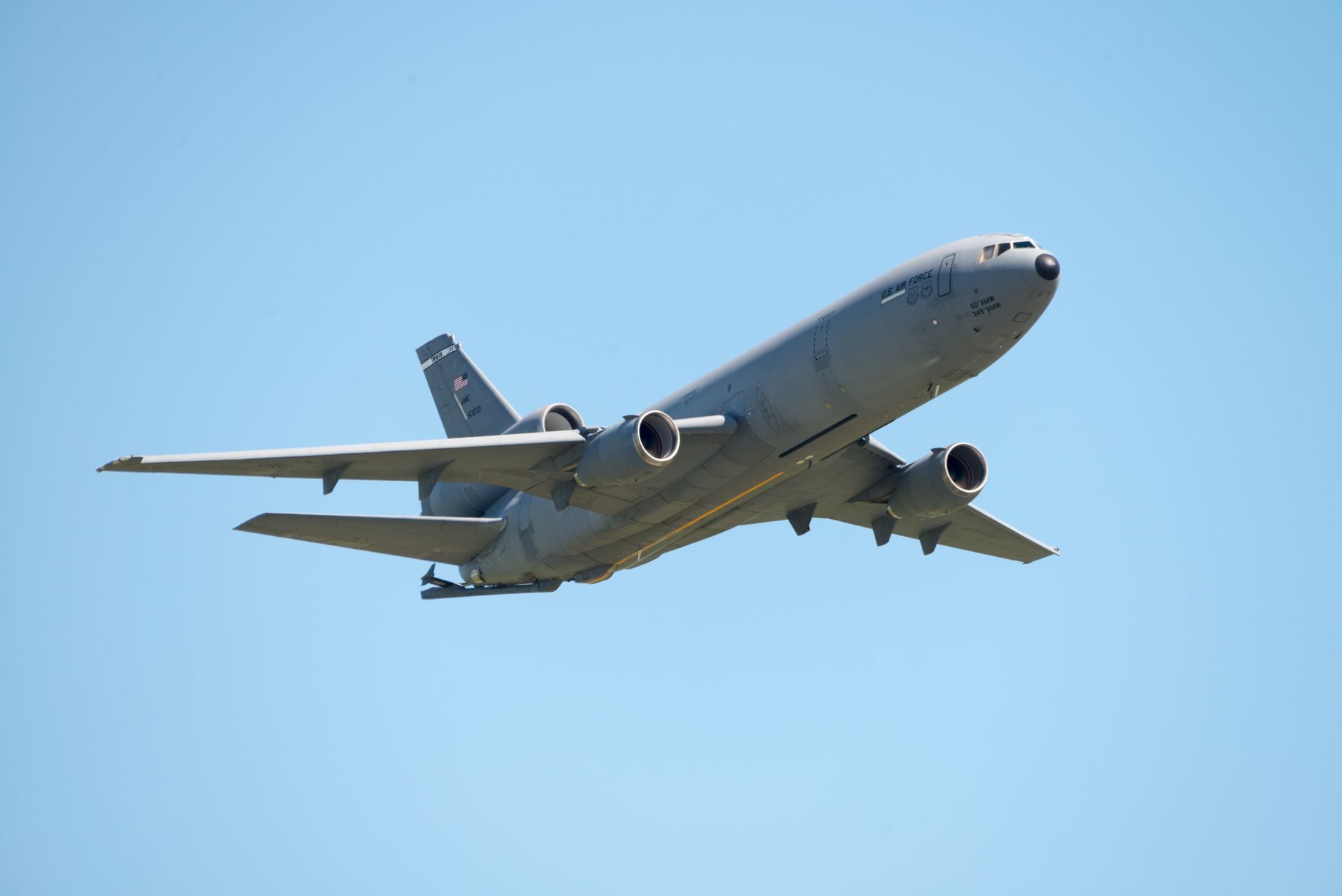
The United States military has relocated aircraft from a second air base in the United Kingdom as officials assess an evolving threat from Iran. On Monday, American refueling tankers stationed at RAF Mildenhall in Suffolk were moved to other locations, including Germany, according to individuals familiar with the matter. The redeployment marks the latest security shift as Washington grapples with intelligence reports regarding potential Iranian targeting of U.S. personnel and assets.
Flight-tracking data confirmed that two U.S. refueling tankers diverted from RAF Mildenhall early Monday morning, with several additional tankers relocated to Germany and other sites later in the day. While U.S. Air Force officials did not disclose specific operational details, a spokesperson stated that American aircraft routinely rotate between various installations and operating locations for a variety of reasons. The White House directed inquiries regarding the movement of these assets to the Pentagon.
Intelligence officials have been actively monitoring a complex threat landscape involving Iran. According to reports, the “Gang of Eight”—comprising key congressional political and intelligence leadership—received a briefing on Monday concerning threats posed by Iran to the U.S. homeland. This follows previous concerns noted by the Pentagon last month, which led to the withdrawal of B-1 bomber aircraft from RAF Fairford. That earlier decision was prompted by reports of an Iran-backed plot aimed at targeting American pilots and aircraft using drones.
The current security measures have been significant at military installations in the United Kingdom. Sources indicated that the security posture at both RAF Mildenhall and RAF Lakenheath, two critical facilities utilized by the U.S. military, was upgraded to Force Protection Condition (FPCON) Charlie. This status is declared when intelligence suggests that some form of terrorist action or attack against personnel or facilities is likely.
The geopolitical backdrop remains tense as U.S. leadership navigates potential strikes against Iran and internal political debates. Defense Secretary Pete Hegseth is currently facing a movement toward impeachment in connection with the Iran conflict, a situation he has publicly vowed to contest. Meanwhile, Tehran has warned that any American military aggression against Iran would result in a retaliatory response that extends well beyond the Middle East.
Director of National Intelligence Jay Clayton previously noted in October that Iran was in the “advanced stages” of planning operations to target U.S. personnel in the Middle East, which had necessitated the rapid evacuation of diplomats from several regional posts. Addressing these ongoing security concerns, Secretary of State Marco Rubio remarked on Monday, “We’ve addressed it by moving people away from the threat.”
Despite the heightened state of alert, President Donald Trump suggested on Monday that a full-scale return to war with Iran remains “unlikely.” During remarks at the White House, the President indicated that military action currently does not appear to be a necessary path, citing ongoing progress in negotiations and the expressed preferences of allies in the Middle East for continued diplomatic engagement.








Comments