


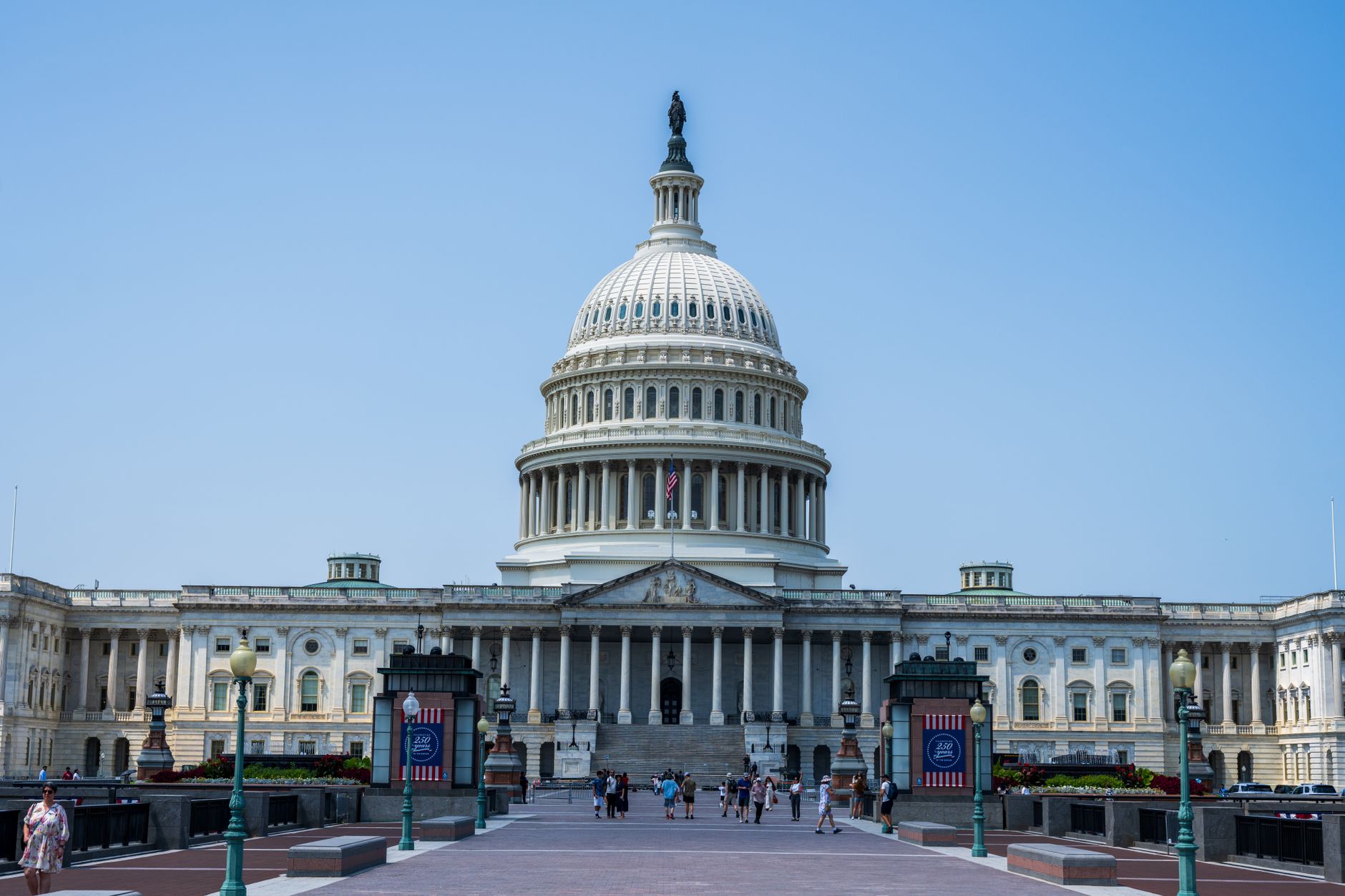
Outgoing US Republican Representative Thomas Massie has formally introduced a resolution to impeach Defence Secretary Pete Hegseth, marking a renewed legislative challenge against the official. The filing, which occurred as the House of Representatives opened its first session following the midterm elections, includes eight articles of impeachment that Massie originally proposed in September. The congressman alleges that Hegseth has engaged in unlawful conduct, including the execution of military actions that threaten the Constitution.
The resolution specifically centres on allegations that Hegseth operated outside of congressional authorisation, particularly regarding the ongoing conflict in Iran. Massie contends that these actions violate the War Powers Resolution and promote a military culture dismissive of established rules of engagement. The articles of impeachment cite several incidents, including the February bombing of a school in Minab, Iran, as well as strikes on narcotics vessels in the Caribbean and Pacific, which Massie characterizes as extrajudicial killings. Furthermore, the charges encompass the abduction of former Venezuelan President Nicolas Maduro, the suppression of media access at the Pentagon, and military operations against the Houthis in Yemen.
Despite the gravity of the accusations, the resolution faces significant political hurdles. House Speaker Mike Johnson has publicly opposed the measure, describing it as a "cheap trick" intended for political gain rather than a legitimate constitutional exercise. During the previous session, Speaker Johnson effectively prevented a floor vote on the matter by adjourning the House early. Trump administration officials have similarly defended Hegseth, with the President framing the Secretary’s military efforts as necessary successes in the Middle East.
Hegseth has responded to the move with defiance, maintaining that he welcomes the opportunity to address the allegations in Congress. "There’s a lot of politically motivated people who may have substantial policy disagreements, but their disagreements are with success," Hegseth stated. He expressed readiness to litigate the military actions taken during his tenure, including the controversial war in Iran, which some observers suggest contributed to Republican losses in the recent midterm elections.
The political landscape is poised for a shift in January, when Democratic lawmakers, who secured a majority in the recent elections, take office. House Minority Leader Hakeem Jeffries has already voiced support for the impeachment, accusing Hegseth of abusing his authority and undermining national security through a "reckless and costly war of choice." Democrats have pledged to launch comprehensive investigations into the Trump administration, with plans to call senior officials to testify regarding the internal operations of the Department of Defence under Hegseth’s leadership.
Achieving a successful removal remains an uphill battle regardless of the upcoming shifts in congressional power. Impeachment requires a simple majority vote in the 435-member House of Representatives to proceed. Should the House approve the articles, the process would then move to the Senate. Conviction and removal from office would necessitate a two-thirds majority in the 100-member Senate. Although Democrats are expected to hold approximately 54 seats in the upper chamber next year, this remains well below the 67 votes required to convict the Secretary.
Massie, a consistent critic of the administration's foreign policy, has acknowledged that some colleagues may support the resolution simply to see the Secretary leave his post. As he prepares to depart office, the congressman has urged Hegseth to resign voluntarily before the change in congressional control. With both sides preparing for a broader confrontation in the new year, the debate over the legality and strategic merit of the administration's military engagements is expected to remain a central point of contention in Washington.








Comments