


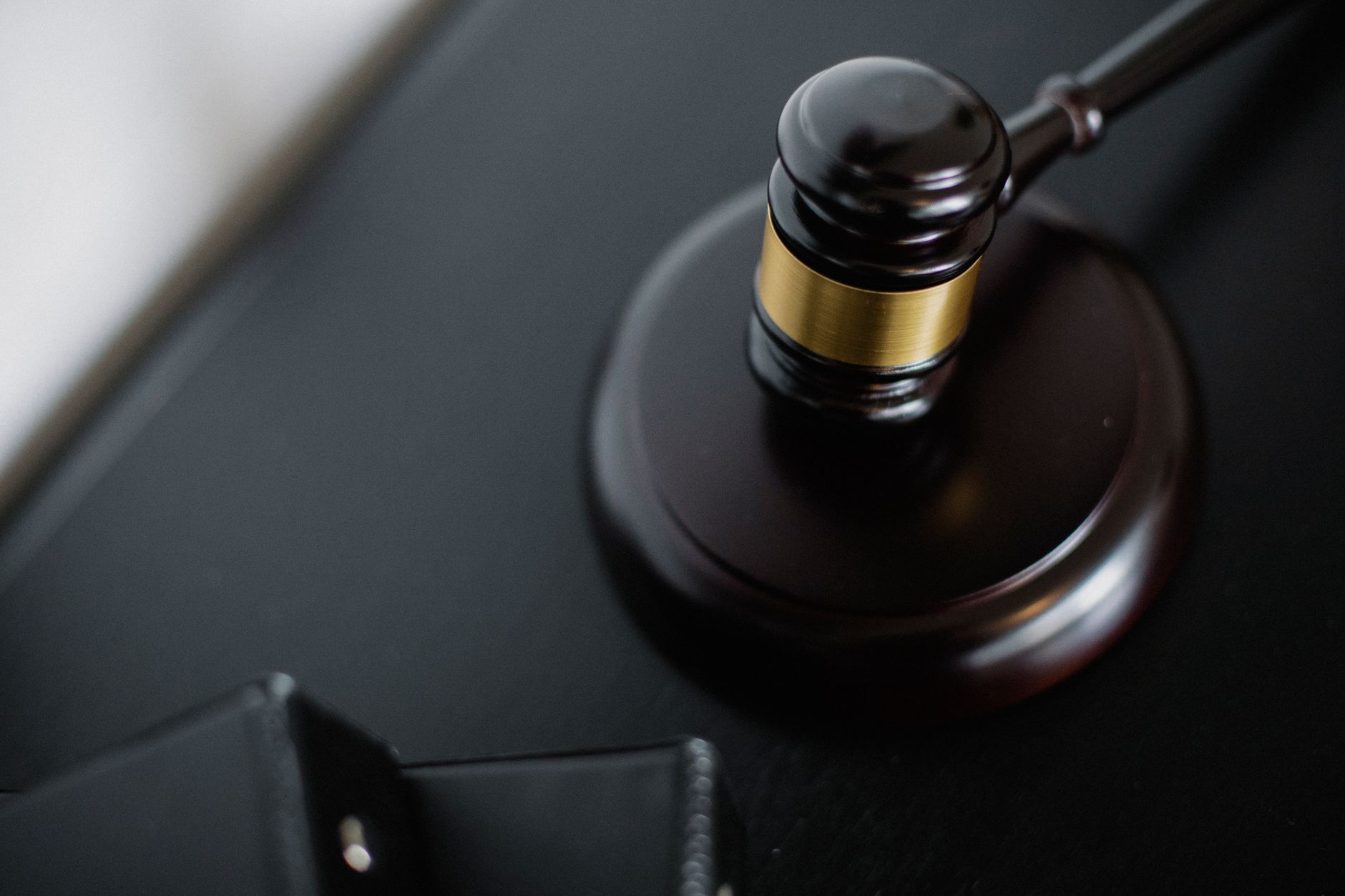
A Utah County judge has officially set the trial date for Tyler Robinson, the 23-year-old man accused of the 2025 killing of conservative activist Charlie Kirk. During a court proceeding on Monday, Judge Tony Graf Jr announced that jury selection for the high-profile case is scheduled to begin on June 21, 2028. The legal battle, which stems from the fatal shooting of 31-year-old Kirk on a Utah college campus, has become a focus of intense public and legal scrutiny as both the prosecution and the defense prepare for what is expected to be a prolonged trial.
Robinson has entered a plea of not guilty to seven charges in total, the most serious being aggravated murder. The gravity of the charge means that, if convicted, he could potentially face the death penalty. This possibility has served as a central point of contention, with Robinson's defense team actively working to have the capital punishment option removed from the case. The prosecution has maintained a firm stance, while the defense continues to challenge the evidence and the credentials of expert witnesses expected to testify.
The scheduling of the trial followed extensive negotiations between legal teams. Prosecutors had previously suggested they would be prepared to go to trial as early as October 2027, though they expressed a willingness to push the date to January 2028 to bypass the holiday season. Conversely, defense attorneys requested significantly more time to construct their case, initially suggesting that the trial should not commence until 2029. The court eventually settled on the June 2028 start date, balancing the need for a thorough defense with the pursuit of a resolution.
Estimates regarding the duration of the trial remain wide-ranging. The prosecution has projected that the proceedings could span approximately 17 weeks, whereas defense lawyers have cautioned that the trial could stretch for as long as seven months. The complexity of the evidence, which includes DNA samples, video statements, and alleged confessions, is expected to draw out the courtroom process, necessitating a substantial commitment from all parties involved in the litigation.
The impact of this long timeline has been felt acutely by the family of the deceased. Erika Kirk, the widow of the activist, along with his parents, Robert and Kathryn, have been regular attendees at court hearings. Following the judge's announcement on Monday, Jeffrey A. Nieman, the attorney representing Erika Kirk, expressed the family’s frustration with the three-year gap between the assassination and the start of the trial. While noting that the schedule “does not feel very speedy” to the family, Nieman stated they had no choice but to accept the court’s decision, emphasizing that the family has “waited long enough already.”
During a preliminary hearing held this past July, prosecutors laid out a significant portion of their case to establish probable cause. The state’s evidence reportedly includes DNA links connecting Robinson to the murder weapon and other items found at the scene. Furthermore, prosecutors allege that Robinson made confessions to associates and that his roommate and romantic partner, Lance Twiggs, provided a taped video statement to investigators. Lead prosecutor Ryan McBride stated in September that there exists a “mountain of evidence” confirming the identity of the shooter, citing video footage, DNA markers, and circumstantial details.
As the case moves toward the 2028 trial date, the defense continues to explore various procedural avenues. Beyond their efforts to challenge the death penalty, legal representatives for Robinson have also requested that cameras be barred from the courtroom, standing in direct opposition to the wishes of Erika Kirk, who has advocated for live-streaming the proceedings to ensure public transparency. With the trial date now set, the coming months will likely see further legal maneuvering as both sides refine their strategies ahead of the eventual selection of the jury.








Comments