


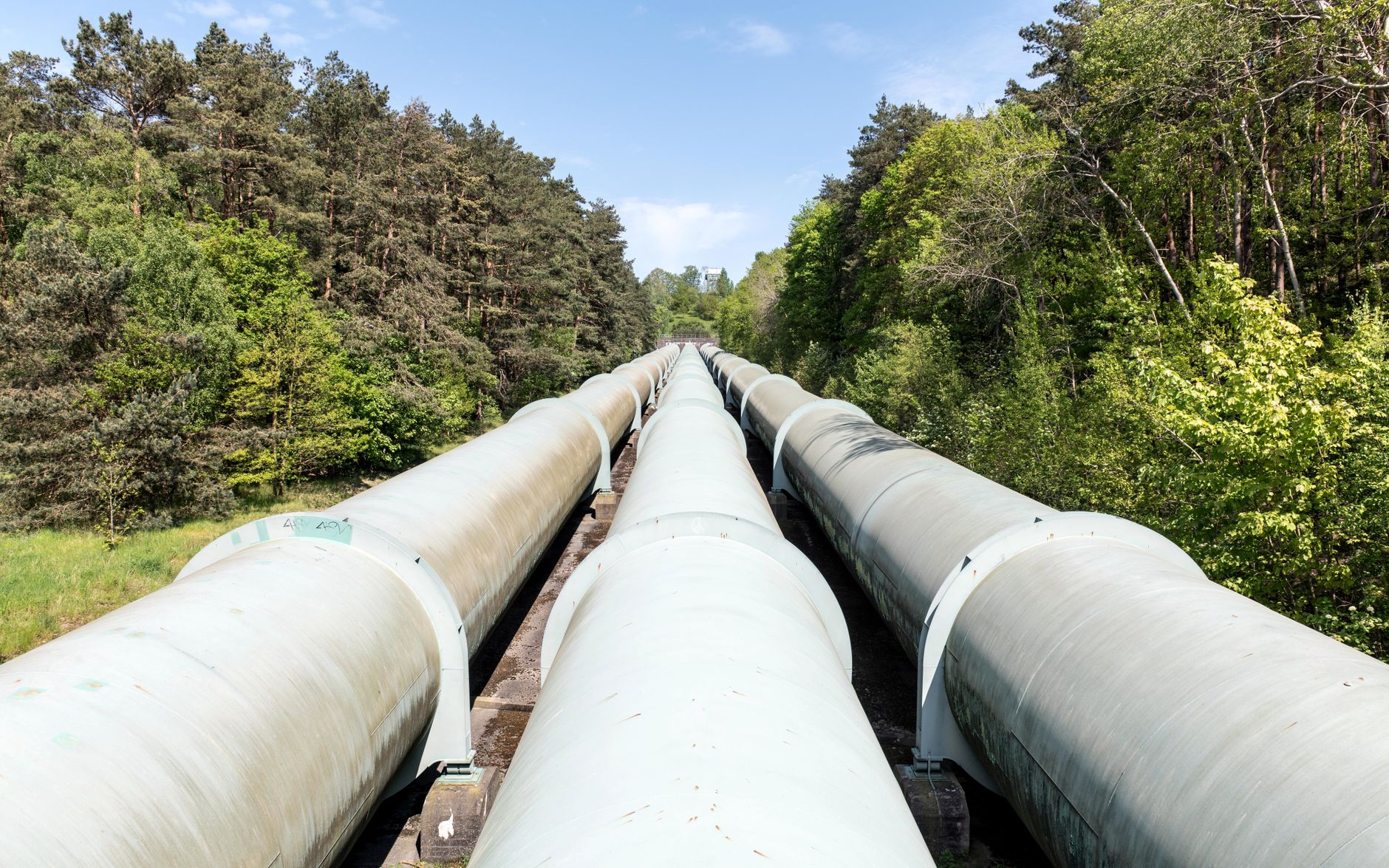
Saudi Arabia’s vital East-West oil pipeline, a critical artery for global energy transport, has been targeted in a fresh attack, according to state media. An official from the Saudi Ministry of Energy confirmed that the incident took place on Monday within the Medina region, located in the western part of the kingdom. The attack resulted in a fire, which authorities described as limited in scope and which was successfully extinguished shortly after it broke out.
Despite the nature of the strike, the Saudi Press Agency reported that there were no casualties, as no injuries or fatalities occurred during the event. Furthermore, the Ministry stated that overall pipeline operations remained unaffected by the incident. The report refrained from identifying the specific group or party responsible for the attack, noting only that the security of the infrastructure was being addressed.
This latest incident occurs against a backdrop of escalating regional hostilities. Fighting between the Saudi-backed Yemeni government coalition and the Iran-backed Houthi rebels in Yemen has intensified, raising concerns regarding energy security. The East-West pipeline, which spans approximately 1,200 kilometres (745 miles) across the Arabian Peninsula, serves as a vital strategic asset. It has become increasingly central to global oil logistics as the conflict in the Middle East has affected shipping lanes.
The pipeline is specifically essential for bypassing the Strait of Hormuz, a narrow maritime chokepoint that has faced significant constriction due to the ongoing conflict involving the US, Israel, and Iran. Since the regional conflict began disrupting traditional oil flows, Riyadh has increasingly relied on this pipeline to maintain exports. Reports indicate that Saudi Arabia has been rerouting approximately 4 million barrels of crude oil per day through this channel to the port of Yanbu. This volume represents about 4 percent of the total global oil supply, making the pipeline's continued operation a matter of international concern.
Oil infrastructure in the region has been frequently targeted in recent months. Previous attempts to strike Saudi assets have involved both drones and missiles. Notably, in September of this year, the pipeline was forced to shut down for several days following drone attacks that Riyadh identified as having been launched from Iraq. In addition to the pipeline, other critical infrastructure, including oil refineries and storage facilities, have faced similar threats as the broader regional instability fuels an ongoing global energy crisis.
The strategic importance of the East-West pipeline has only grown as the Strait of Hormuz remains a focal point of geopolitical friction. While the Saudi government continues to take measures to secure its energy assets, the regularity of these attacks presents an ongoing challenge to regional stability. Observers note that the persistence of these security threats mirrors the intensifying nature of the war in Yemen, where Houthi rebels have repeatedly declared their intent to target energy infrastructure as part of their military strategy.
As of Monday evening, there have been no further updates regarding the security situation in the Medina region. The Saudi government continues to monitor the pipeline closely to ensure that the flow of crude oil to the coast remains stable. The ability of the Kingdom to continue rerouting oil via the East-West pipeline remains a key factor in mitigating the impact of the wider conflict on global energy markets, and international energy agencies are expected to keep a close watch on the situation as authorities work to fortify the pipeline against future disruptions.








Comments