


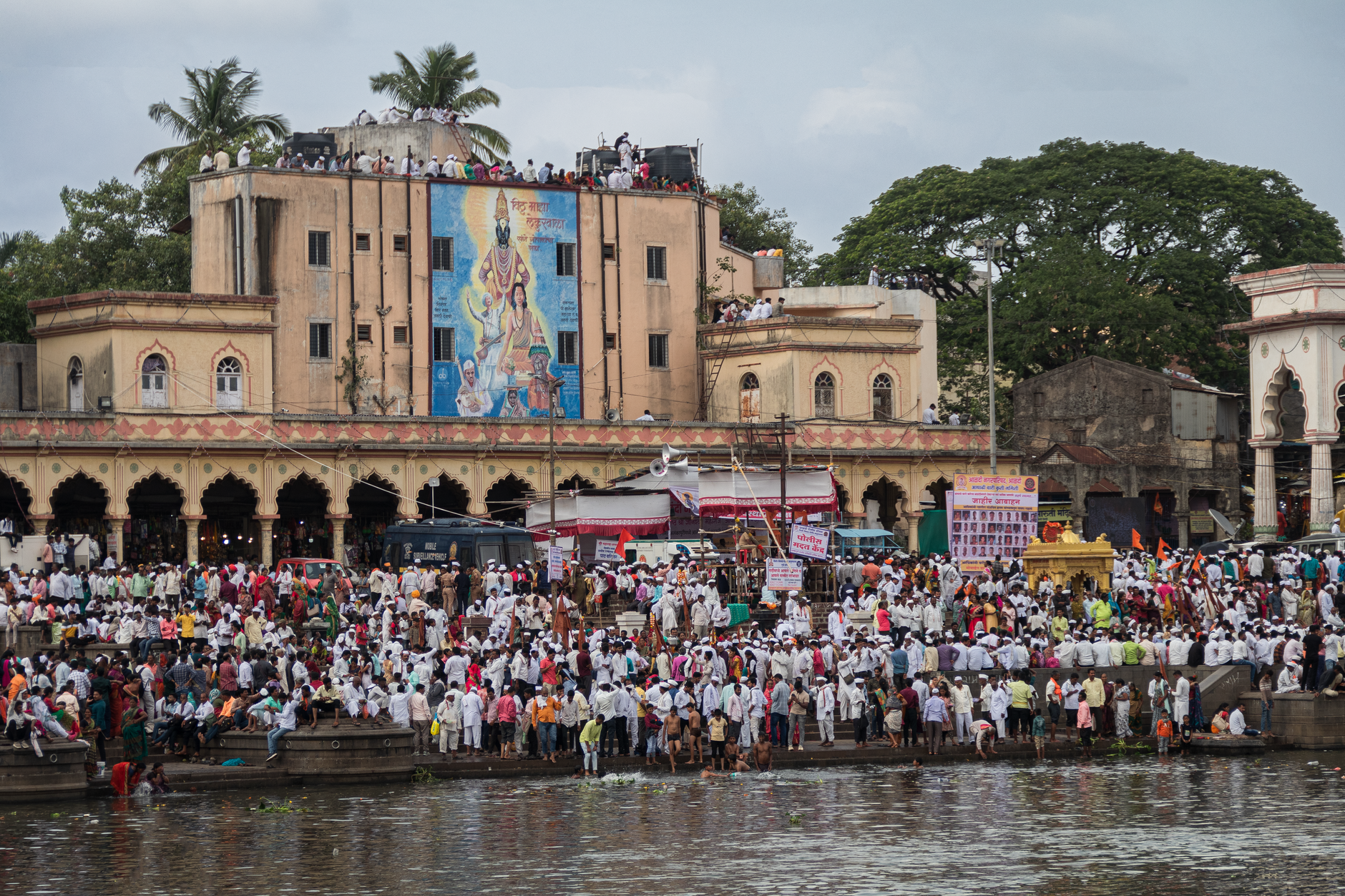
In preparation for the upcoming Chhath Puja, the Bihar government has issued a comprehensive set of safety directives to be enforced across all districts. The state's Disaster Management Department has mandated stringent security and preventative measures to safeguard devotees during the four-day festival, which is scheduled to take place from November 13 to 16.
Among the primary restrictions announced by the department is a total ban on the use of firecrackers in the vicinity of river ghats. Furthermore, the government has prohibited the operation of private boats on water bodies during the festival period to prevent potential maritime accidents. These measures are part of an effort to minimize risks in areas that typically see massive footfalls of devotees during the sacred rituals.
District magistrates have been formally instructed to carry out a thorough assessment of all riverside locations. As part of this exercise, authorities are required to identify and effectively barricade any ghats deemed dangerous. These areas must be clearly marked to ensure that crowds are directed toward safer sections of the riverbanks.
To handle emergency situations, the directives emphasize the presence of rescue infrastructure. The government has ordered that trained divers, swimmers, and motorboats be stationed at all major ghats throughout the festival. Life-saving equipment must also be readily available at these sites. Furthermore, local administrations are expected to have medical teams, ambulances, and specialized Quick Medical Response Teams (QMRTs) on standby to address any health-related incidents or emergencies.
The administrative guidelines also address the need for robust infrastructure management. District authorities must ensure that there is adequate lighting not only at the ghats themselves but also along the approach roads leading to these sites. To maintain order and ensure rapid response to any developments, district control rooms are required to function round-the-clock throughout the four-day event, with continuous public announcements being broadcast through loudspeakers to keep the public informed.
Safety checks on electrical installations have also been prioritized. The government has directed that all temporary electrical setups must be inspected in advance to mitigate the risk of electrocution. Additionally, district magistrates have been tasked with drafting detailed disaster management and communication plans to prevent panic and potential stampedes. These plans are expected to involve close coordination with local Chhath committees, ensuring that monitoring remains consistent and effective from the beginning of the festival until its conclusion.
Chhath Puja, which is dedicated to the Sun God and Chhathi Maiya, remains one of the most significant cultural and religious observances in the state. The festival begins with the 'Nahai Khai' ritual and continues for four days, concluding on November 16. It is observed annually on the sixth day of the Hindu month of Kartik, following the Diwali celebrations. Given the immense scale of the festivities and the large numbers of people who congregate at riverbanks to offer prayers for the well-being of their families, the state government considers these precautionary measures essential to maintaining public order and safety.








Comments