


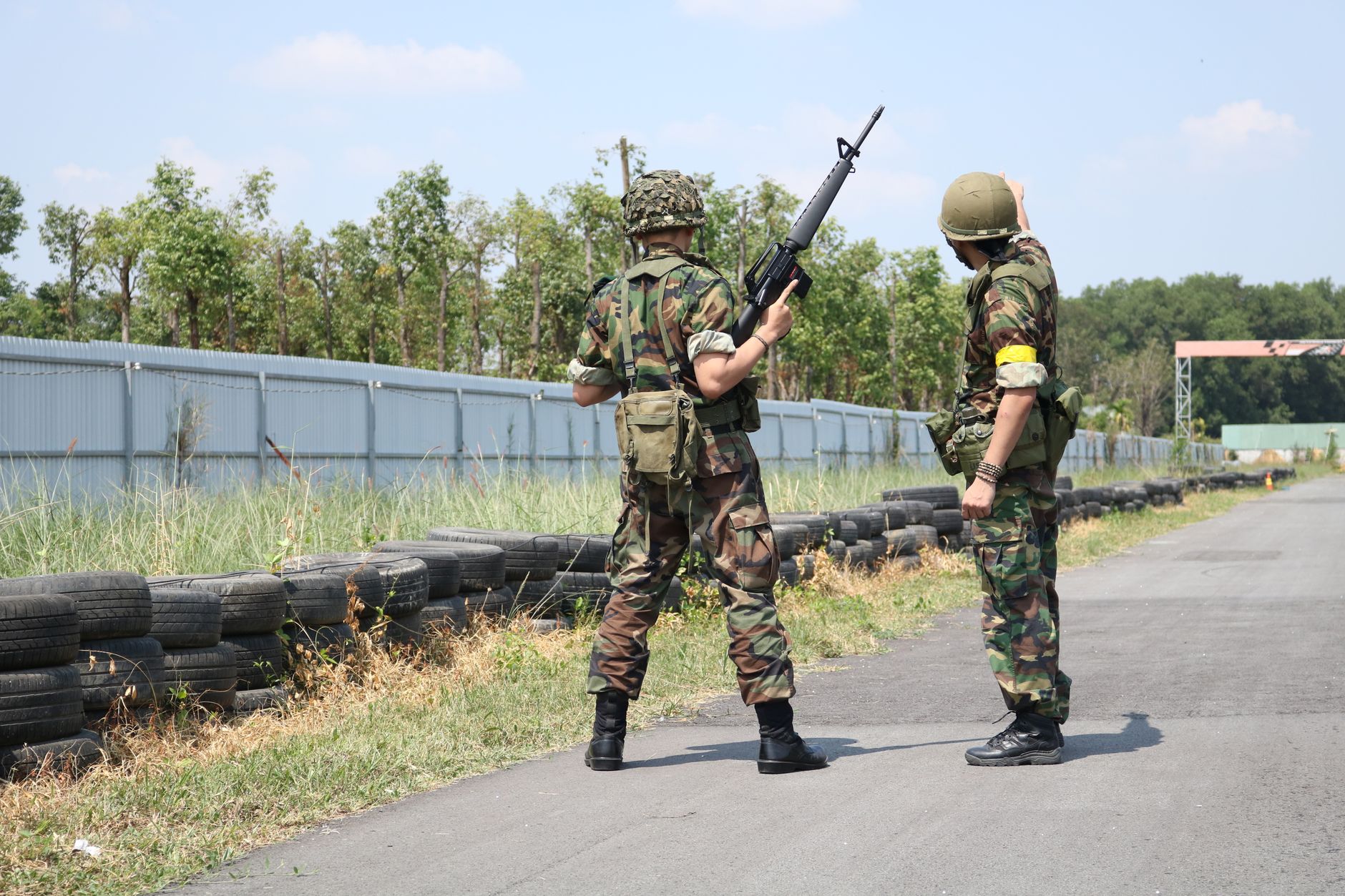
Syrian authorities have confirmed the deployment of military advisors to Saudi Arabia, marking a significant shift in regional defence cooperation. Following a recent state visit to Riyadh by Syrian President Ahmed al-Sharaa, reports emerged that Damascus had committed to supporting the kingdom in its ongoing conflict with Yemen’s Houthi rebels. While initial reports of direct combat involvement were met with denials, a Syrian government official confirmed to the state-run news agency SANA that personnel have been dispatched to provide training, military consultations, and expertise.
According to officials, the contingent includes military advisors already present in the kingdom, with an additional 600 special forces troops scheduled to arrive next week. The development comes on the heels of a meeting between President al-Sharaa and Saudi Crown Prince Mohammed bin Salman, where the two leaders solidified a partnership that includes a $403 million loan package intended to assist in rebuilding Syrian infrastructure after thirteen years of civil war. While the Syrian Ministry of Foreign Affairs and Expatriates noted that the defence cooperation agreement was a cornerstone of the summit, they provided few specific details regarding the nature of the deployment.
Analysts suggest the arrangement serves a dual purpose: it allows Riyadh to bolster its regional security framework against Houthi missile strikes and Iranian-backed threats, while providing the post-war Syrian government with a strategic partner. Nanar Hawach, a Syrian analyst, noted that the role of Syrian forces is likely focused on sharing a security burden rather than engaging in direct combat on Yemeni front lines. This distinction is critical for Damascus, which remains cautious about the domestic impact of foreign military engagements as it focuses on internal economic recovery.
The growing security alignment has prompted speculation that Syria may eventually seek to join the Mecca Joint Defence Agreement, a pact established in August involving Saudi Arabia, Turkiye, and Pakistan. Saudi Arabia has been actively pursuing a regional military alliance to counter threats from the Houthis, particularly following increased missile activity against Saudi cities. By integrating battle-hardened Syrian units, many of whom possess experience in drone warfare, Riyadh appears to be strengthening its collective defence capabilities.
However, the move is not without risks. Engaging in the conflict against Iranian-backed groups could invite retaliation against Damascus. Furthermore, Syrian public sentiment remains sensitive, with expectations that the return of relative peace should prioritise stability and reconstruction over foreign military intervention. Analysts point out that justifying the presence of soldiers in a distant conflict remains a challenge for the administration, particularly as it seeks to maintain its legitimacy following the political changes of late 2024.
The deployment also highlights a broader shift in Saudi strategy, which involves leveraging diplomatic and financial ties to form security partnerships. Since the fall of the previous regime in Damascus in December 2024, Riyadh has played a key role in assisting the current government in navigating international sanctions, an effort deemed crucial for the country’s post-war reintegration. As the geopolitical situation in the Middle East continues to evolve, the Syrian-Saudi security cooperation represents a significant alignment intended to navigate the complex threats posed by regional adversaries.








Comments