


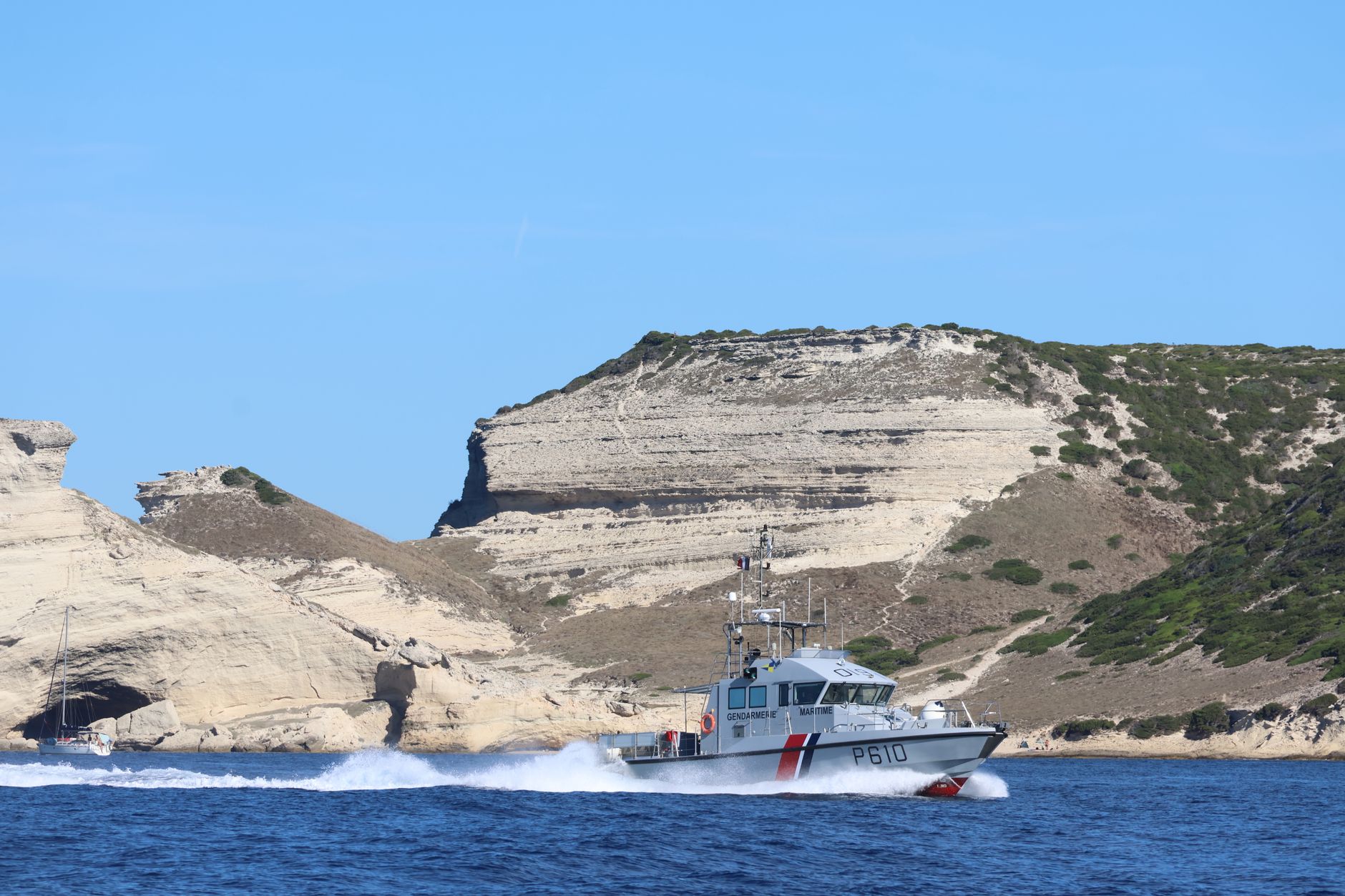
Greek authorities recovered 12 bodies from a migrant vessel discovered off the southern coast of Crete on Monday. The coast guard confirmed the tragic discovery after the boat was located approximately 15 nautical miles, or 28 kilometers, south of the island. In addition to the fatalities, a passing cargo ship managed to rescue 18 survivors from the same vessel during the operation. All those rescued are being transported to a port on the southern coast of Crete for further processing and care.
While the search and recovery mission concluded, officials have not yet released the identities of the deceased or provided specific details regarding the circumstances that led to the deaths on board. Beyond the vessel involved in the incident, authorities reported spotting two additional boats in the same region, carrying 47 and 40 people respectively. These events occur as Greece faces a significant and sudden rise in migrant arrivals from Libya, causing mounting pressure on regional infrastructure.
Thanos Plevris, the minister of migration and asylum, confirmed that 1,700 people had arrived on the island from Libya within the first three days of November alone. According to Plevris, this surge is linked to a breakdown in cooperation with Libyan authorities and the impact of the Turkey-Libya maritime memorandum. The minister stated that Greece is actively preparing for a migration crisis on Crete, with a new reception facility at Athanati expected to become operational as early as next week.
The situation on Crete contrasts with broader trends across the European Union. According to a recent report by the European Commission, irregular migration into Greece actually declined by 23 percent between July 2025 and June 2026, while asylum applications fell by 19 percent. Despite these general downward trends, Greece remains under significant strain. The report noted that when measured against population and gross domestic product, Greece continues to face the highest proportional pressure among all European Union member states regarding migration and asylum claims.
Data further highlights the changing nature of the migration routes. While total irregular crossings along the Eastern Mediterranean route fell by roughly 25 percent to approximately 49,136, the specific influx to Crete tells a different story. Arrivals on the island have spiked by 105 percent, reaching roughly 21,000 individuals. Additionally, crossings along the land border between Greece and Turkey have risen by 33 percent, suggesting a shifting pattern in how migrants are attempting to enter the bloc.
European officials have acknowledged the disproportionate challenges Greece faces in managing its borders. The country accounted for 25 percent of all disembarkations following search-and-rescue operations across the European Union, a figure secondary only to Italy, which handled 42 percent. In light of these pressures, European officials have indicated that Greece qualifies for continued financial and administrative assistance through 2027 to help manage the ongoing challenges posed by maritime migration.
The increase in arrivals has prompted local authorities and government officials to reassess their logistical capabilities. As the government moves to open the new reception facility, the focus remains on managing the safety of those arriving while addressing the logistical complexities of the maritime routes originating from Libya. The incident on Monday serves as a somber reminder of the risks faced by those attempting the journey across the Mediterranean Sea, even as national and regional policy frameworks continue to evolve in response to these migration patterns.








Comments