


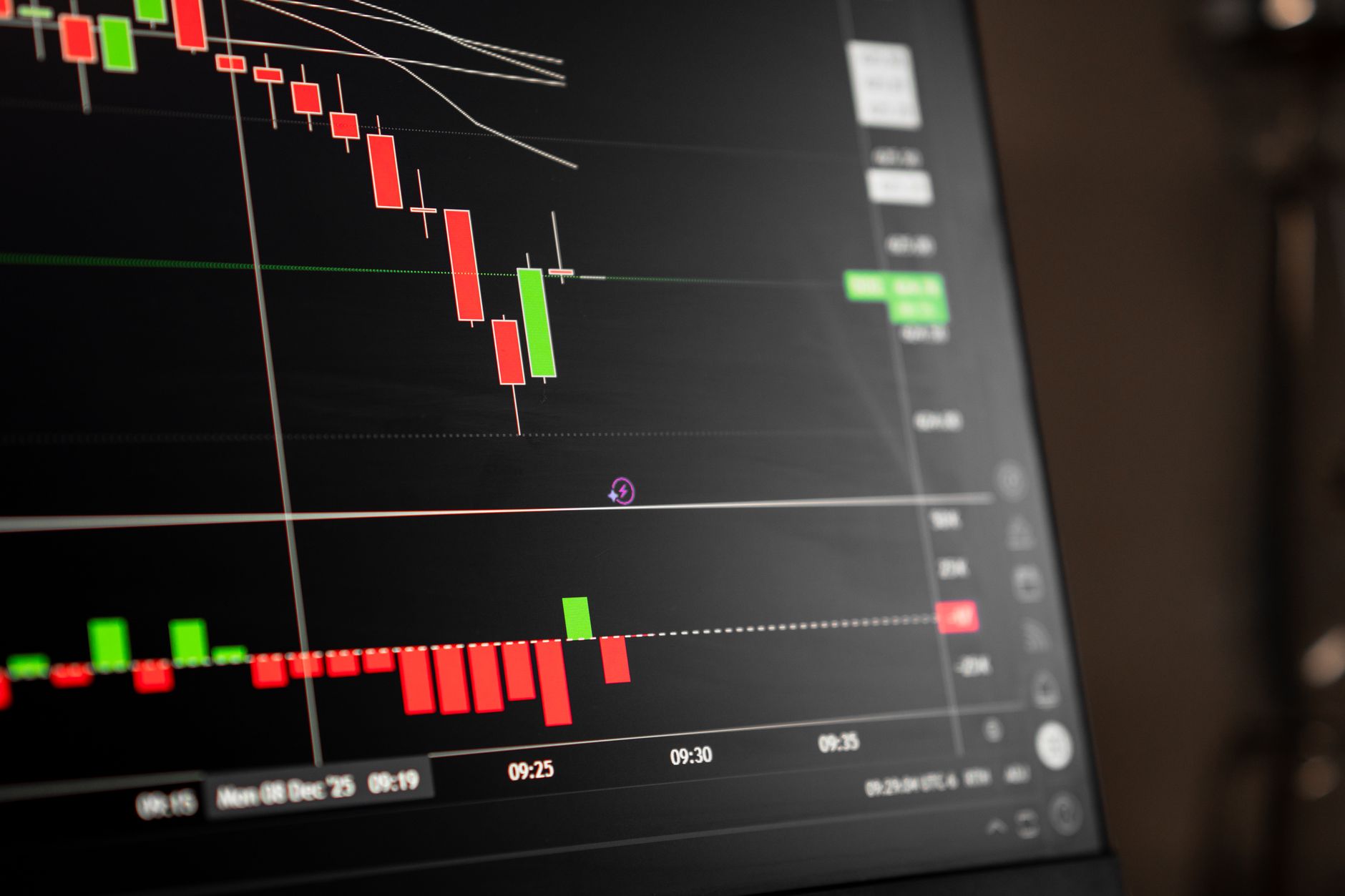
The Indian stock market benchmarks, which commenced the traditional 70-minute Muhurat trading session on Diwali with optimistic gains, concluded the special session on Sunday with marginal losses. By the end of the trading day at 3:38 pm IST, the Bombay Stock Exchange (BSE) Sensex had declined by 28.62 points, or 0.04 per cent, settling at 80,999.40. Similarly, the National Stock Exchange (NSE) Nifty dropped 43.95 points, or 0.18 per cent, to reach 24,986.40.
This special hour-long session is held annually on Diwali and serves as a symbolic marker for the beginning of the new Samvat year in the Hindu calendar. The trading event is considered an auspicious tradition by many investors and market participants, who believe that transactions conducted during this period bring prosperity and long-term financial success.
The performance during the Muhurat session followed a robust end to the previous week. On Friday, domestic markets recorded significant gains for the seventh consecutive trading session. During that session, the Sensex climbed 1,718.01 points, or 2.17 per cent, to close at 81,028.02, successfully reclaiming the 80,000-point threshold. The Nifty followed a similar trend, rising 493.75 points, or 2.01 per cent, to finish at 25,030.35, crossing the key 25,000 level.
Unlike standard trading days, which typically span from 9:15 am to 3:30 pm, the Muhurat session operates on a compressed schedule. The National Stock Exchange and the Bombay Stock Exchange established specific timings for the equity session, while the Multi Commodity Exchange (MCX) coordinated a separate schedule for commodity market participants.
The operational framework for the day began with a block deal window, which was active from 1:50 pm to 2:05 pm. This was followed by a pre-opening phase from 2:05 pm to 2:17 pm, facilitating order entry, matching, and trade confirmation. Regular market operations commenced at 2:20 pm and concluded at 3:30 pm, followed by a closing auction process and a post-closing session extending until 4:00 pm. The BSE further extended the window for trade modifications until 4:15 pm.
For those involved in commodity trading, the MCX made contracts across all commodities and indices available. Their specific main trading window aligned with the equity markets, running from 2:20 pm to 3:30 pm, with clients granted additional time until 3:45 pm to complete code modifications. This structure ensures that market participants across various asset classes can participate in the annual ritual despite the shortened duration of the session.
Market analysts often observe the performance of these sessions as a sentiment indicator, although the brief nature of the trading window rarely dictates long-term market trends. The performance on Sunday stood in contrast to the strong momentum seen on Friday, which had defied a general decline observed in major global markets and technology-focused stocks. As the new Samvat year begins, investors will now look toward the resumption of regular market hours to gauge how the broader economic environment influences trading activity in the coming weeks.








Comments