


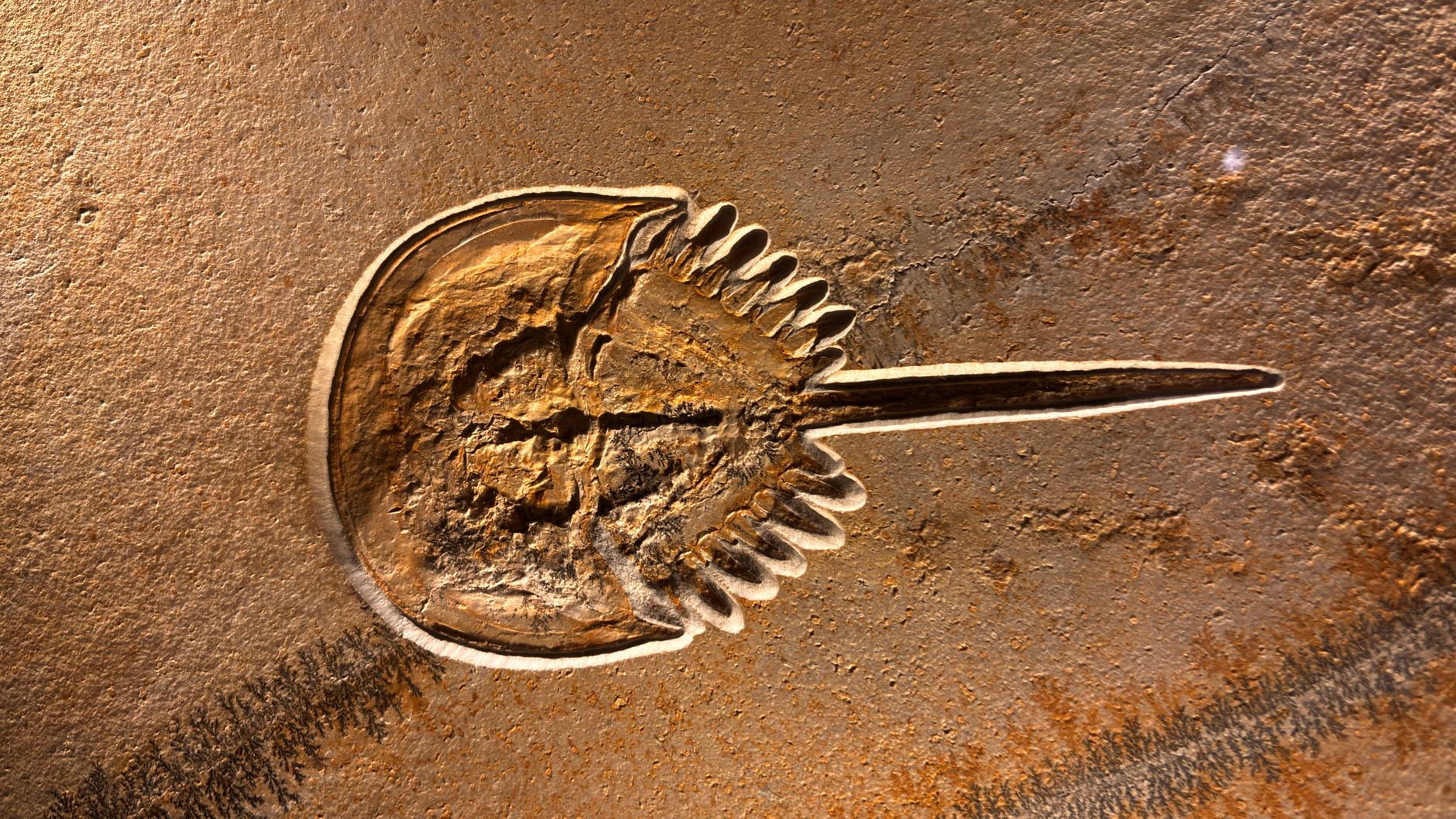
Scientists have identified a remarkable 444-million-year-old marine fossil that defies the typical patterns of preservation seen in the archaeological record. The new species, formally named Keurbos susanae, was discovered to have retained its internal muscles, tendons, and digestive systems in exceptional three-dimensional detail, despite the complete absence of its head, legs, and hard outer shell.
The study, which spans 25 years of research, was led by palaeontologist Sarah Gabbott from the University of Leicester. Gabbott officially named the species after her mother, Sue, as a gesture of appreciation for the support she provided during her scientific career. The findings were formally published in the journal Papers in Palaeontology on March 26, 2025.
Typically, fossilization favors the preservation of hard external structures such as shells and limbs, as these parts decay much more slowly than soft tissues. The discovery of Keurbos susanae presents an unusual reversal of this process. The creature’s internal anatomy, including complex connective structures and muscles, remained intact while its external covering vanished. This provides researchers with a rare opportunity to examine internal biological features that are seldom observed in specimens from the same era.
The fossilized creature measures approximately 43 centimetres in length and features a trunk composed of 46 distinct segments that gradually taper toward the rear. Based on these anatomical characteristics, scientists have classified the specimen as a member of the arthropod group—a classification that includes modern-day creatures like spiders, lobsters, and insects. However, due to the missing head and appendages, determining the exact evolutionary placement of the species remains a challenge for the research team.
The specimens were unearthed from the Soom Shale, a significant fossil-rich geological formation located in the Western Cape Province of South Africa, approximately 250 kilometres north of Cape Town. This region is known for preserving life from the end of the Ordovician Period. The site offers a window into a tumultuous era of Earth's history, marked by major extinction events and extensive glaciation, though researchers believe the marine basin provided a sanctuary that allowed this community of organisms to survive.
The unique preservation conditions of the Soom Shale are believed to be the primary cause behind this unusual fossil. The environment in which the creature settled was characterized by extremely low oxygen levels and the presence of toxic hydrogen sulphide. These conditions prevented normal decay processes and enabled mineral replacement to capture the delicate internal structures in three dimensions. While the exact chemical process remains complex, the result is a high-fidelity record of ancient anatomy.
For palaeontologists, the discovery is particularly significant because soft tissues like muscles usually disintegrate shortly after death. By studying the internal supporting framework and muscle connections of Keurbos susanae, scientists hope to gain a deeper understanding of how these ancient arthropods functioned. Although the creature's evolutionary branch remains uncertain, its preserved internal anatomy continues to provide valuable insights into the biological makeup of marine life during the late Ordovician period.







Comments