


Donald Trump has attributed a significant $3 trillion decline in U.S. stock market value to the recent midterm elections, where the Democratic Party secured majorities in both the House of Representatives and the Senate. In a post on Truth Social, the former president described the election results as a “giant step back in history” for the nation. He contrasted the recent market performance with the growth observed during his presidency, which he characterized as having moved like a “rocketship.”
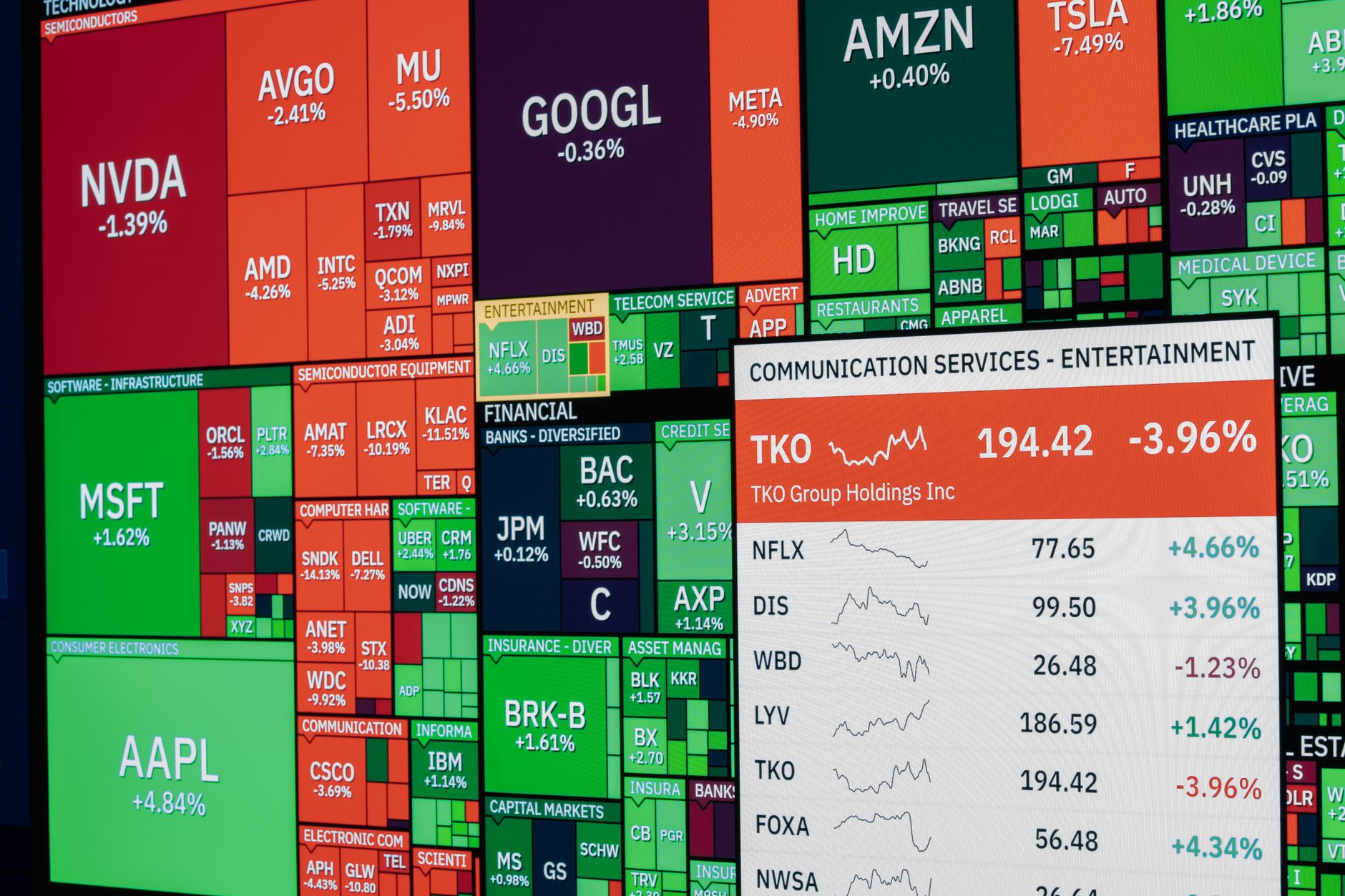
The market volatility followed an initial rally on Wednesday, when the Dow Jones Industrial Average climbed 1,569 points, or 3%, in its strongest post-midterm performance in 44 years. However, the sentiment reversed sharply the following day. On Thursday, the Nasdaq fell 5.2%, the S&P 500 dropped 3.8%, and the Dow declined 2.9%, shedding more than 1,500 points. The sell-off was global, with major indices in South Korea, Taiwan, and Japan also recording notable losses.
Technology and artificial intelligence-linked stocks were hit particularly hard during the downturn. The Philadelphia Semiconductor Index saw an intraday decline of nearly 10%, while major industry players like AMD, Micron, and Nvidia experienced share price drops ranging from 9% to 15%. Market analysts suggest that while Trump links the losses directly to the election results, investor anxiety is also concentrated on the regulatory outlook for the technology sector, specifically regarding the expansion of data centers.
During their campaigns, several Democratic candidates prioritized potential restrictions or moratoriums on new data center projects, citing concerns over their impact on local electricity grids and infrastructure. In Texas, where roughly 27% of planned U.S. data center capacity is located, Democrat Gina Hinojosa ran on a platform that included a moratorium on such projects. Similar regulatory pushback has been observed in Ohio and Georgia, creating uncertainty for investors focused on AI infrastructure.
The shift in Washington represents a significant change in the legislative landscape. With control of both chambers of Congress, Democrats are positioned to scrutinize federal spending and investigate administration policies. Trump has responded to the challenge by highlighting his presidential veto power, which allows him to block legislation unless Congress achieves a two-thirds supermajority in both the House and Senate. He recently posted an image of a baseball cap with the word “VETO” on social media to emphasize this authority.
Despite his emphasis on the veto, Trump expressed a desire to avoid a legislative stalemate, stating that he does not want to spend the next two years merely vetoing proposals. As he looks toward the future, he remains optimistic about his party’s political trajectory, declaring that they will return “bigger and stronger than ever before.”
The White House has maintained that the election results do not necessarily imply an unrestricted legislative agenda for the opposition. As the political and financial implications of the midterm results continue to unfold, the tension between the new legislative balance and the administration’s existing policy priorities remains a central focus for market participants and political observers alike.








Comments