


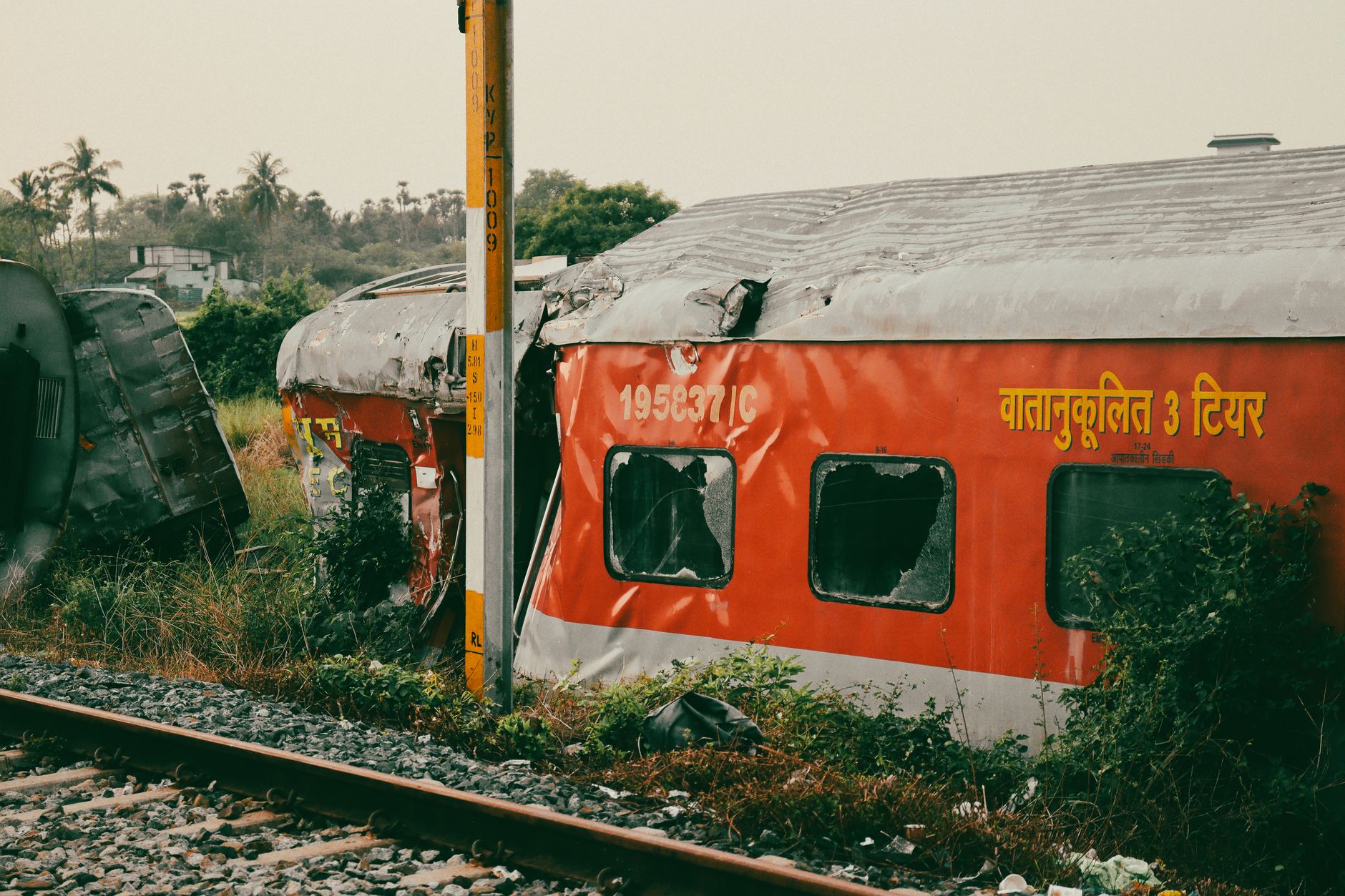
A severe collision involving two passenger trains occurred south of Cairo on Sunday, resulting in the deaths of four individuals and leaving 88 others injured. The accident took place in the Al-Ayyat area of Giza, a region historically associated with previous rail disasters, according to officials and reports from the scene.
The country's railway authority reported that the crash happened when a train travelling from Giza to Fayoum collided with the rear of another service that was heading south from Cairo towards the city of Aswan. The impact caused several carriages to derail, triggering an immediate response from emergency services in the area.
The health ministry confirmed that 88 passengers were transported to various hospitals in and around the Giza governorate to receive treatment for their injuries. While initial reports from state-owned media outlets suggested a higher number of casualties, putting the wounded count at 120, the health ministry's subsequent figures remain the official basis for the current casualty assessment.
President Abdel Fattah al-Sisi responded to the tragedy by stating that he is monitoring the situation with great concern. He has directed relevant authorities to conduct an immediate and thorough investigation into the circumstances surrounding the collision. The president explicitly instructed that those found to be negligent in their duties must be held accountable for the incident.
Emergency crews were deployed to the location of the crash, utilising cranes to clear the wreckage and secure the site. The Al-Ayyat area, where the collision occurred, has a history of major transit accidents. Most notably, a catastrophic fire on a train in 2002 killed over 370 people in the same district, while another series of accidents in the region in 2009 resulted in significant loss of life.
Despite Egypt boasting one of the largest rail networks in Africa, upon which a large portion of its 110 million-strong population relies, the system has struggled with recurring and fatal incidents. Many of these issues are attributed to the continued use of an ageing infrastructure, which remains prone to mechanical and operational failures.
The Egyptian government has prioritised transport sector reform over the last decade, investing billions of dollars into large-scale infrastructure projects. These efforts have largely focused on the construction of new highways and the development of high-speed rail lines. However, observers note that despite these advancements in modern transport, the older, legacy rail network has yet to undergo the comprehensive overhaul required to ensure passenger safety, leaving the system vulnerable to the type of disaster witnessed on Sunday.








Comments