


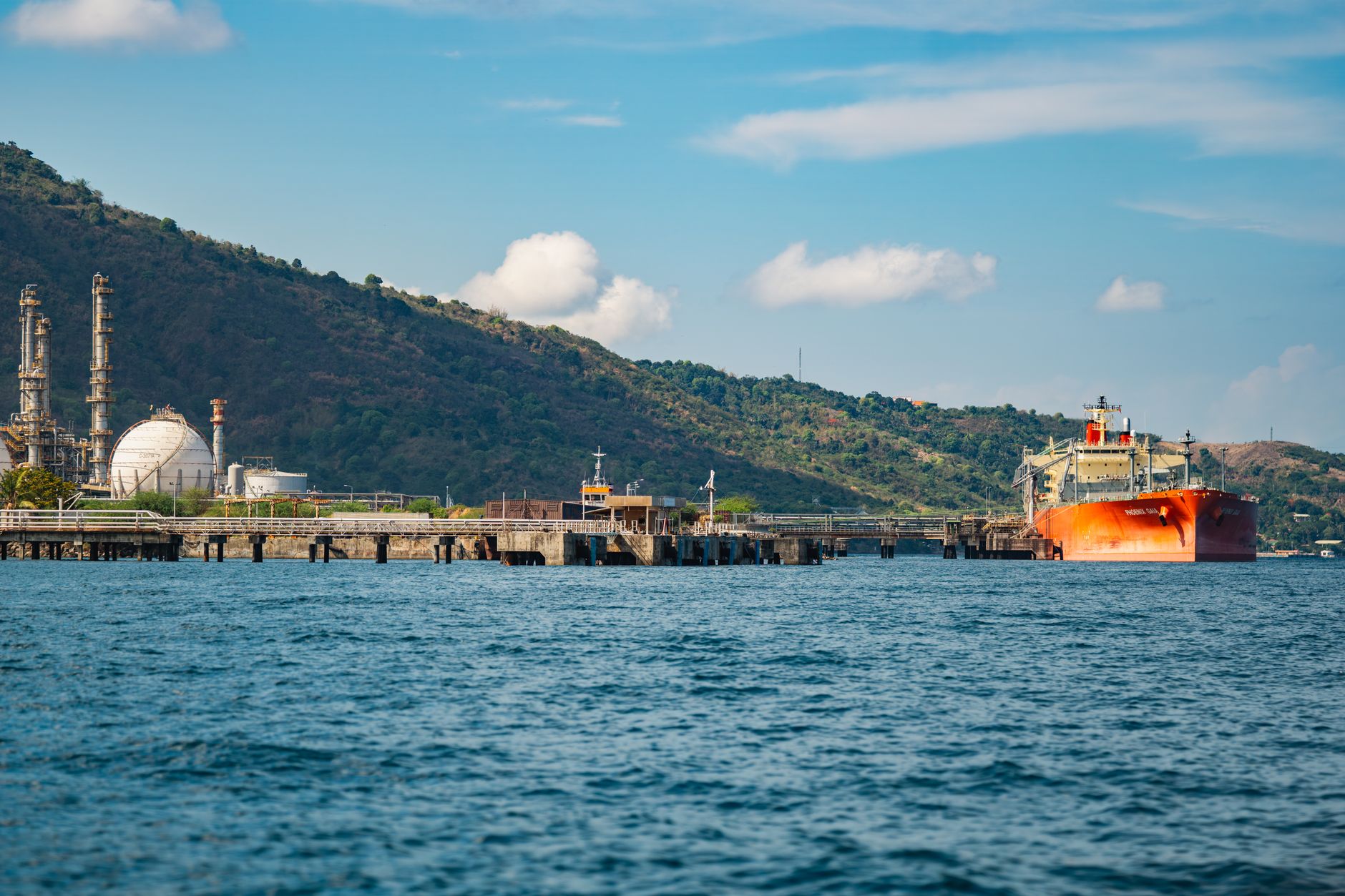
Indian Oil Corporation (IOC) has announced a strategic shift in its logistics operations, revealing plans to acquire its own fleet of crude oil and liquefied petroleum gas (LPG) carriers. The decision comes as the state-owned oil major looks to insulate its supply chain from volatile freight costs and ongoing disruptions in the shipping lanes near the Strait of Hormuz. According to the company's director of finance, Anuj Jain, the move represents a significant change in how the corporation intends to manage the movement of energy resources to its refineries.
The push for self-reliance in shipping is driven by a sharp escalation in transportation costs. Geopolitical tensions in the Middle East have led to increased war-risk insurance premiums and restricted commercial movement, causing spot market freight rates to climb significantly. While traditional time-chartered vessels have helped the company manage costs—averaging around $2 to $2.50 per barrel for crude—spot market rates for similar services have surged to as high as $8 to $10 per barrel. The impact is even more severe for LPG transport, where spot rates have soared from typical levels of $40 per tonne to between $160 and $180 per tonne.
As part of this new strategy, IOC has already received board approval for the purchase of several vessels, with tenders for these acquisitions issued months ago. Beyond purchasing existing ships, the company is actively investigating shipbuilding opportunities within India. This approach aligns with the government's Make in India initiative, which encourages domestic manufacturing and industrial growth. By transitioning from a reliance on chartered vessels to a model that includes company-owned ships and domestic construction, IOC aims to gain greater control over its logistics network.
Alongside these structural changes in transportation, IOC has aggressively diversified its crude sourcing to mitigate the risk of supply interruptions. During the first half of the current financial year, Russia emerged as the primary supplier, accounting for 55% of the company's total crude requirements. The Middle East provided 24%, while smaller portions were sourced from Africa, Brazil, the United States, and Venezuela. The company has also shifted toward spot market purchases, which represented 87% of its crude sourcing in the first half of the fiscal year, compared to 50% in the previous year.
These operational adjustments occur against a backdrop of rising global energy prices. The Indian basket crude, which was priced between $65 and $70 per barrel in February, remained above $100 for much of the first quarter and averaged $120 per barrel in October. To guard against potential shortages, IOC has increased its inventory levels, with crude oil stocks now sufficient for approximately 39 days of operations, up from the usual 33 to 35-day window. The company also maintains buffer stocks of LPG, petrol, and diesel.
Financial performance has remained robust despite these external pressures. IOC reported a net profit of Rs 21,630 crore for the quarter ending in September, marking a recovery from the loss of Rs 2,661 crore reported in the preceding quarter. The company attributed this profitability to inventory gains—which totalled Rs 6,948 crore—and improved performance across its various business segments, recording a gross refining margin of $18.52 per barrel.
Looking ahead, the company continues to monitor geopolitical developments closely. While the current diversification of supply sources and increased inventory levels have provided a cushion, management remains cautious regarding the ongoing impact of global tensions on crude procurement and marketing margins. The integration of its own fleet of carriers is expected to be a key component of IOC's long-term plan to ensure energy security and manage transportation costs more effectively in an uncertain global market.







Comments