


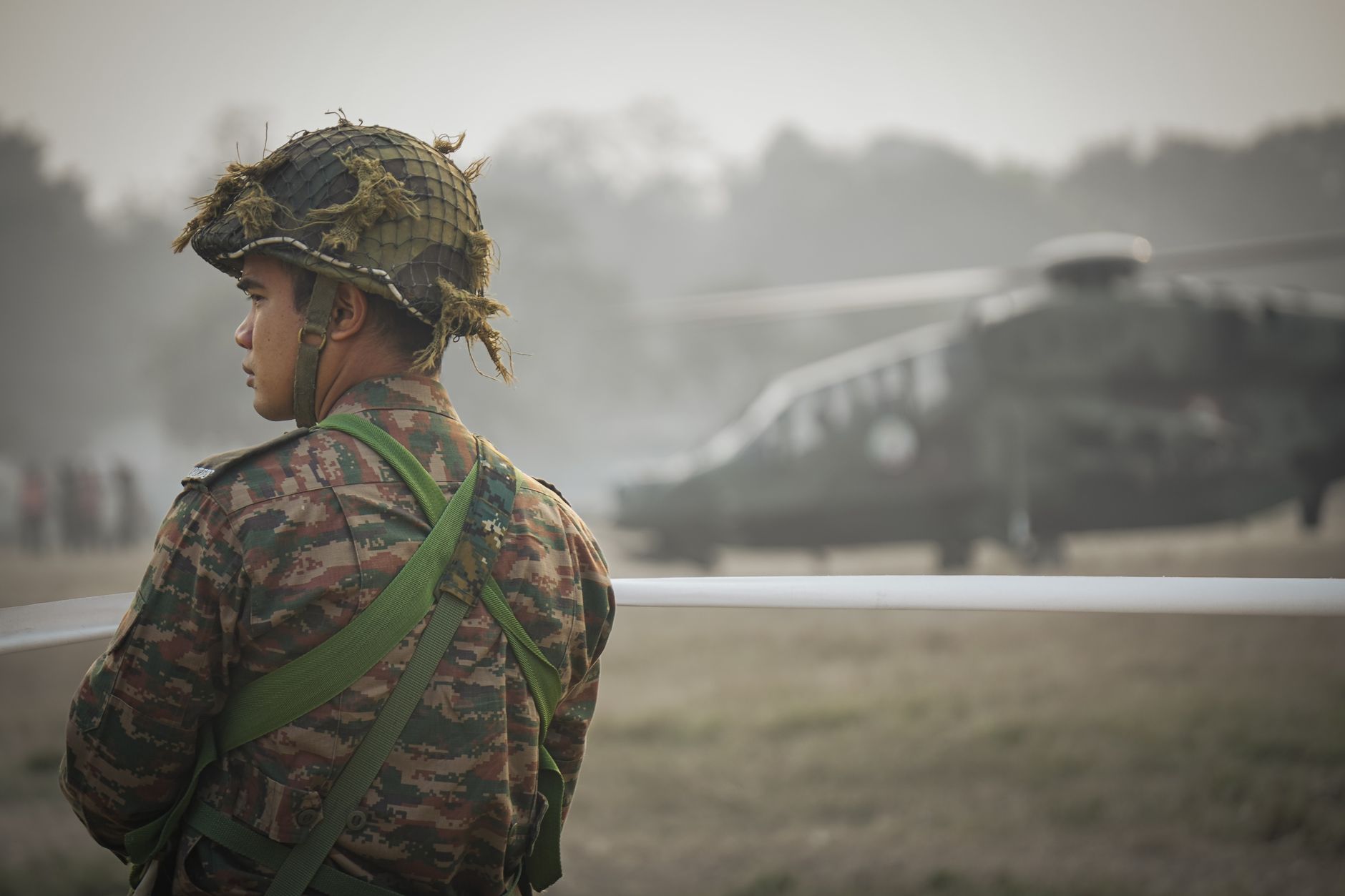
A drone attack targeting a military base in northern Colombia has resulted in the deaths of three soldiers and left at least 16 others wounded. The Colombian armed forces confirmed that the strike occurred in Santa Rosa del Sur, a town located in the foothills of the San Lucas mountain range. While authorities have not yet identified the specific group behind the assault, the incident marks a significant escalation in the ongoing violence affecting rural regions of the country.
Footage circulating on social media captured the aftermath of the attack, showing smoke rising from the base following a series of three explosions. The visuals depicted military personnel seeking cover behind sandbag fortifications. The region where the attack took place is known for its gold mining activity and has historically been a site of contention between various armed factions, including the National Liberation Army (ELN), the Gulf Clan, and smaller splinter groups formerly associated with the Revolutionary Armed Forces of Colombia (FARC).
President Abelardo de la Espriella issued a firm response to the strike on social media platform X. “Those who were behind this attack… will have nowhere to hide,” the President wrote, adding that such acts of aggression only serve to strengthen the government’s resolve to defend the nation. The administration remains under pressure as security conditions in rural territories continue to deteriorate.
The intensity of violence in Colombia has notably increased since President de la Espriella assumed office in August. The administration opted to cancel peace negotiations with various rebel organisations, shifting toward a more confrontational military strategy. This approach includes increased deployment of troops, more frequent air strikes, and the establishment of joint task forces designed to protect vital national infrastructure, such as the major pipeline connecting the Caribbean coast to central Colombia.
Government officials have maintained that armed groups previously utilised ceasefires to consolidate control over rural territories. According to the government, these groups have exploited such periods of relative calm to profit from illegal drug trades and the extortion of local businesses. In response to the government’s harder line, several militant factions have increased their targeting of state forces.
This attack follows a series of recent violent incidents. Only last week, a military base in Tolima province was struck by missiles fashioned from gas canisters, an attack that resulted in the death of four civilians, including a two-month-old infant. Additionally, police units in the border city of Cucuta have faced multiple incidents involving remotely activated bombs. Data from ACLED, an organisation that monitors armed conflict, indicates a 9 percent increase in bomb and explosive attacks over the four weeks leading up to October 16 compared to the previous year’s average.
The current security landscape remains heavily influenced by the aftermath of the 2016 peace agreement with the FARC, which saw the demobilisation of over 14,000 fighters. However, the subsequent power vacuum has led to ongoing territorial disputes among smaller, competing armed groups. As the government continues its current security policy, the frequency of these confrontations serves as a reminder of the persistent instability in remote parts of the country.








Comments